

Dogs have lived with humans for thousands of years, and there are real reasons for that. They are loyal, social, and can genuinely improve your life. As Harvard Health describes, dog owners experience less stress and even lower blood pressure than those without dogs.
So if you are also still deciding between a cat and a dog as pets or want to know why dogs make better pets than cats, you’re in the right place. By the end, you will have an idea of the reasons why dogs and cats are better for different people who have different lifestyles and routines. By the end, you will have a clear idea of which pet is best for different people, lifestyles, and daily routines.
Dog V.S Cat: Which is Better for Which Pet Owner with Which Daily Routine & Lifestyle
Actually, we can not say that dogs are good and cats are bad. Instead, it would be better to say that both are perfect, of course, and many of you also like cats. It totally depends on your desire and daily routine. Now I am going to tell you which of the two is a good choice for you based on your daily lifestyle and routine. I will also mention universal habits of dogs and cats so you can understand their behavior and choose what’s best for you.
Before I start, let me tell you something: if you already want a dog or cat, you can move forward, but if you want to decide between choosing a dog vs. a cat based on their behavior, routine, and your behavior and routine, then you must stay here and read till the end.
How About a Dog?

Thousands of years ago, there were no solid houses like today, and there was no electricity. Dogs and humans have a centuries-old relationship. Archaeological and genetic science has proven that dogs are the world’s first domesticated animals.
You may wonder how, almost 15,000 to 30,000 years ago, when humans lived in caves, they made grey wolves into dogs. Humans provided leftover food, and in return, the wolves protected these tribes from wild predators. Over time, this same evolutionary process transformed wolves into the loyal dogs we know today.
The story of the Tomb of Bonn-Oberkassel is not fictional; it is a historical fact. And like me, you’ll wonder, too. According to National Geographic, Archaeologists in Germany found a 14,000-year-old mass grave where a human and his pet dog were buried together.
Just think: even thousands of years ago, man loved his pet dog so much that, even after death, he did not part with his loyal friend. That is why dogs are still the most ancient and loyal friends of man!
You Must Know About 3 Groups of Dogs
After this long history, there are now almost 300 to 400 dog breeds in the world, and each differs from the others in appearance and behavior. Some are small and playful, while others are large and calm. Just like humans, each dog has its own distinct personality that makes it unique.
By the way, if I told you each dog type by name, it would take years. So, I will tell you the universal habits of each dog so you can better understand why dogs are better than cats. There are three top reasons your dog is the best option for you, and if these reasons resonate with you, then congratulations.
1: The Highly Trainable and Social Companions
This group consists of dog breeds that, unlike cats, understand human speech within minutes and become active members of the family. Cats are mostly solitary and absorbed in their own world, but these dogs have an instinct to please their owners and spend time with them at all times.
These dog breeds include Labrador and Poodle. Dogs are better than cats because they are made to obey human commands. You can easily train them to sit, stay, fetch, or do small household chores. Cats are very independent; they often turn away from your voice as if they didn’t hear anything, while these dogs are ready to dance at your signal.
Actually, t these dogs have a much more developed brain than cats when it comes to understanding social interactions and human emotions. Even if you are sad or under some mental stress, these dogs immediately realize it from your facial expressions and tone of voice and come to you and put their head in your lap. I really like them for this reason.
Because of their intelligence, gentle nature, and strong learning ability, these breeds are used worldwide as “therapy pets” and “guide dogs” for the blind. They also show great kindness and patience with children, which is why families often choose them first.
2: The Protectors and Guardians
This group shows the amazing and lively power of dogs that cats can never imagine. These dogs naturally have a powerful instinct to protect their family, their owner, and their home, which makes them excellent bodyguards.
These dog breeds include German Shepherds, Rottweilers, and Dobermans. And if we compare these dogs to cats, dogs will win the race. Dogs act as a 24-hour live security system for your home. If there is a stranger, a thief, or any suspicious movement near the house, these dogs immediately bark to alert the entire house and, if necessary, defend you, even by risking their lives.
On the other hand, cats, no matter how cute they are, are the first to hide behind the sofa or closet to protect themselves in case of any danger or stranger. The loyalty these breeds show their owners is so intense that they consider their owner the “leader of the pack.”
Their physical structure, wide jaws, and agility let them thwart many types of attacks. That is why police, the military, and airports worldwide use dogs for security: they can sniff out explosives and criminals. A cat can chase mice out of your house, but a dog protects your home from external threats, which gives an owner true peace of mind.
3: The Active Lifestyle Partners
This group includes dogs that are very active and force their owners to live a healthy, fit lifestyle. Breeds included: Siberian Husky, BordBy contrastJack Russell Terrier. These dogs never let you be lazy; they need daily outdoor walks, running, park visits, and play.
When you own a dog, getting out of the house every day, breathing fresh air, and taking walks becomes a must-do routine, while cats don’t need to go outside, and they don’t like to. Medical research shows that dog owners have a lower risk of high cholesterol and high blood pressure than cat owners or the general public because dogs increase their physical activity.
When you take your dog to dog parks, you meet other pet owners, which expands your social circle and reduces loneliness. These dogs can become your best adventure partners; whether hiking in the mountains or running by the sea, they are always ready to walk with you step by step.
How About Cats?
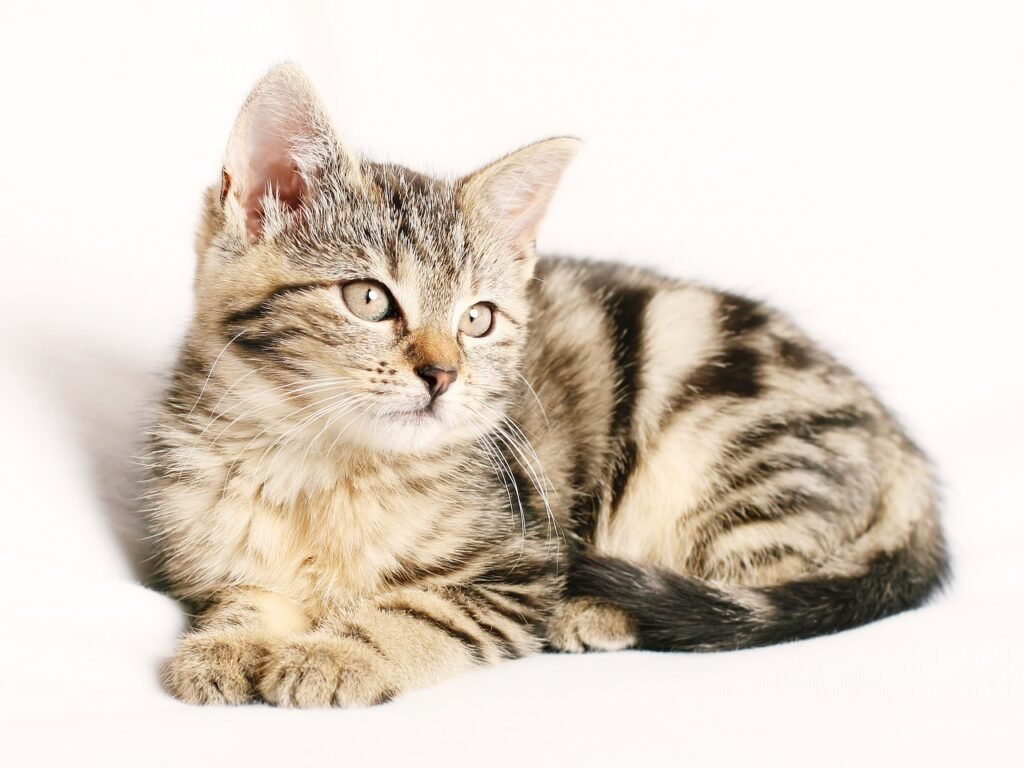
The relationship between cats and humans is not as old as that of dogs, but is considered to be only four to five thousand years old. According to archaeologists, in ancient Egypt, where people needed to protect wheat and grain stores from rats, wild cats began to come close to human settlements.
Humans did not domesticate them, but cats began living close to humans for their own benefit: hunting rats and finding food. Thus, their relationship was not based on love and loyalty, but on need and selfishness.
In ancient Egyptian civilization, the cat was given the status of the goddess “Baset” and was considered sacred. Still, this honor was mostly due to its work, nameely the elimination of rats, and not because of its love or loyalty. Even today, the cat’s behavior is free and independent.
It certainly lives with humans, but only by its own free will, and it rarely shows emotional attachment to its owner. That is why the cat is called a “pet,” but it doesn’t show the selfless loyalty and companionship a dog does.
You Must Know About 3 Groups of Cats
Like dogs, cats also come in many breed types. Of course, we can’t describe them all here, so I am going to tell you the three biggest groups so you can understand why dogs are better than cats and which one you should choose for yourself or your family.
Cats Are The Independent and Low-Maintenance Companions
This group includes cat breeds that, unlike dogs, prefer solitude over constant interaction and rarely show real interest in obeying commands. Breeds included here are the British Shorthair and the Persian. These cats spend most of the day sleeping, grooming, or sitting quietly on a windowsill, showing little to no interest in pleasing their owner.
Unlike Labradors or Poodles, you cannot train these cats to fetch, sit, or perform household tasks. They respond to their own mood, not to your call. If you’re sad or stressed, these cats will most likely stay curled up in their own corner instead of coming to comfort you.
Their low-maintenance nature saves owners from daily walks or heavy grooming routines, but it also means the emotional connection dogs offer is largely missing. That’s why people often choose these breeds when they want a quiet pet, not an emotionally responsive companion.
The Silent Hunters, Not Guardians
This group shows cats’ natural hunting instinct, but it also shows how far behind they are compared to dogs when it comes to protection. Breeds included are the Bengal and the Siamese. These cats are agile, quick, and excellent at catching mice or small insects around the house, but that’s mostly where their usefulness ends.
Unlike German Shepherds or Rottweilers, these cats do not act as a security system. If a stranger enters the house or something suspicious happens at night, these cats will not bark, alert anyone, or defend the family; instead, they usually hide under the bed or behind furniture.
Their sharp claws and quick reflexes are only useful for catching prey, not for protecting an owner from real danger. A cat may clear your house of rodents, but a dog clears your house of threats, and that is a huge difference in loyalty and courage.
3: The Indoor Homebodies
This group consists of cat breeds that are content living an entirely indoor, low-activity lifestyle. Breeds included are the Ragdoll and the Maine Coon. Unlike Huskies or Jack Russell Terriers, these cats never demand outdoor walks, runs, or park visits; they are perfectly happy lounging on a couch all day.
Because of this, owning these cats doesn’t push a person toward an active or healthy lifestyle. No daily walks, no fresh morning air, and no chance to meet other pet owners or build a wider social circle. While dog owners often see real health benefits like lower blood pressure from daily activity, cat owners rarely get the same push to move.
These cats may be easy companions for someone who prefers a calm home environment, but they can’t become adventure partners the way active dog breeds can.
Which Is Better? Dog or Cat

Now comes the real part: choosing between cats and dogs. You can choose based on your personal preferences. But you also need to consider your budget and other needs, such as your home size and where your pet can live with you, so here are both options. Cats and dogs each have benefits, and knowing them can help you decide based on your needs.
Why Dogs are Better? Because;
They Keep You Safe and Sharp
According to research from the University of Liverpool, dog owners are four times more active than the average person, because taking them for a walk every day becomes a compulsion. For example, if your doctor has prescribed a walk, a Labrador will automatically take you out every morning. Dogs have an instinct to guard; they bark and warn when they see a stranger, while cats hide first in danger.
Scientific research also shows that dogs have almost twice as many cortical neurons in their brains as cats, meaning they can learn more complex tasks. For example, a border collie can handle an entire flock of sheep just on cue, which a cat could never do.
They Are Your Friend Who Shows Up When You Need Them.
Playing with or touching dogs quickly reduces cortisol (the stress hormone), which is why many people feel better when a dog is close when they are stressed. If you feel lonely or want to make friends in a new city, walking a dog in the park is a great excuse. People automatically come up and start a conversation, which never happens with a cat.
Since dogs need to be taken out for walks, meals, and defecation on time, they automatically bring order to the owner’s life. Guide dogs accompany blind people everywhere, from helping them cross the road in traffic to small daily tasks. Cats do not have the mental capacity to learn such a task.
Trained medical alert dogs use their sense of smell to warn the owner by detecting changes in blood sugar or an upcoming seizure. No comparison exists to dogs’ sense of smell in finding injured prey or hidden objects in the forest.
They Are Partner for Every Adventure and Every Day
Whether trekking in the mountains or running along the beach, dogs accompany you on every difficult path with full enthusiasm. For example, breeds like the Siberian Husky can walk tirelessly even in snowy areas, while cats may be afraid to step outside the house. Breeds like the Australian Shepherd are especially helpful to farmers, keeping hundreds of sheep together and protecting them from danger.
Open expressions of affection- wagging their tails, jumping up and down, chasing their owner- dogs do not hide their love. In comparison, a cat’s affection is often quiet and less visible. Dogs like the Bloodhound are rescue teams’ best hope for finding survivors buried under rubble after an earthquake or other natural disaster.
Feeding, bathing, and caring for a dog daily teaches children responsibility from a young age. If the house has a large yard or garden, dogs take advantage of the entire space by playing there, while cats are often at risk of escaping outside.
Why Cats Are Better? Because
They Are Practical & Low-Cost Companions
For those without an open yard or garden who live in a small house or flat, a cat is a great companion. Research shows that cats need very little space and are happy indoors. For example, someone living in an apartment might prefer a British Shorthair cat to avoid the daily hassle of walking.
Similarly, for those who are busy at the office from morning to evening and have to leave their pet alone, a cat is also a suitable choice. According to scientific research, cats are naturally independent and do not suffer from loneliness or “separation anxiety” like dogs. For example, an IT professional with a 9-to-5 job can leave his Persian cat at home and go to work without worrying.
If we talk about expenses, then a cat is also a wise choice for those who want to spend less on a pet. According to research by the American Pet Products Association, the annual cost and medical bills of a cat are much lower than those of a dog. This is why students often prefer a cat over a dog: its food and care are cheaper.
Most interestingly, having a cat can also benefit your health. According to a ten-year study by the University of Minnesota, cat owners have a 30% to 40% lower risk of death from a heart attack or stroke. For this reason, a heart patient is advised to keep a cat at home, on a doctor’s recommendation, so that he can remain mentally calm.
They Are Quiet & Independent by Nature
In homes with rats or other vermin, a cat is a natural solution. Cats have an instinct to be a “silent hunter” that helps keep the house clean. For example, a farmer or warehouse owner keeps a Bengal cat to protect his grain from rats.
Similarly, if you don’t like noise or your neighbors are fed up with it, a cat is also a great choice. Barking dogs can be annoying, while cats stay quiet and peaceful throughout the day. For example, in residential societies where barking is prohibited, people keep Ragdoll cats because of their quiet nature.
Cats are also suitable for those who want to avoid the long and tiring process of toilet training. Cats learn to defecate in a litter box or soil and don’t need to be taken outside like dogs. For example, a lazy or older adult can easily keep a cat by placing a litter box inside the house.
For those who prefer solitude but still want a loving relationship, a cat is an ideal companion. According to psychological research, introverted, open-minded people prefer cats because they don’t need constant attention or time for companionship. For example, a writer enjoys the quiet companionship of his Siamese cat even when he is alone.
They Are Good for Your Health & Heart
For those who lack the will or strength to take long daily walks because of ill health or fatigue, cats are also a great companion. A cat does not need to be taken outside for exercise; it is happy indoors. For example, someone living in a wheelchair who cannot go out for a walk may choose a Maine Coon cat as their companion.
Likewise, having a cat at home can help parents who want to protect their newborns from future allergies. According to National Institutes of Health research, children who live with cats during childhood have a significantly reduced risk of developing dust and grass allergies. For example, a careful mother brings a cat into the house to strengthen her one-year-old child’s immune system.
A cat is also a good choice for those who want to avoid a smelly house or the hassle of bathing a pet often. Cats spend most of their day cleaning themselves with their tongues, which keeps them clean. For example, someone with a clean personality might prefer a cat to avoid dog mess and smell.