
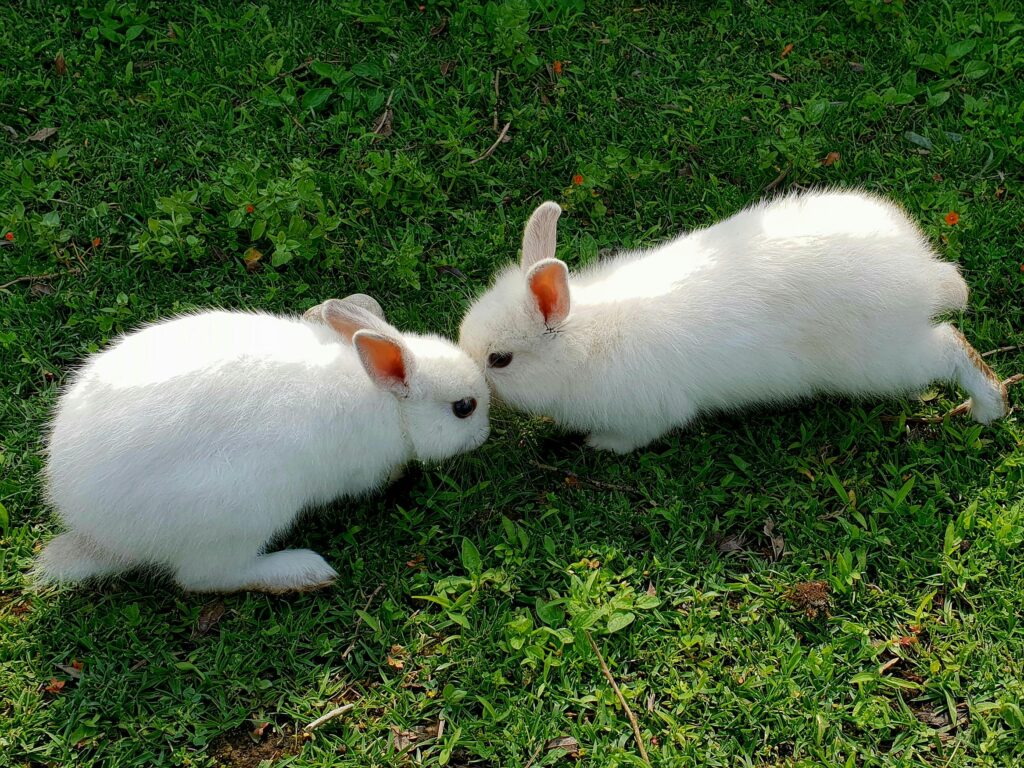
You call one a bunny, someone else calls it a rabbit, and now you are not sure who is right. This small confusion happens more often than you think, and it can make you feel unsure when talking about these animals.
If you get the terms mixed up, you might come across as someone who does not know much, especially when talking to pet owners or animal lovers.
According to A-Z Animals, in common usage there is no difference between a bunny and a rabbit, and many people use these words interchangeably, but “bunny” is informal for rabbit, especially a young one.
So the good news is, you are not wrong either way. Both words point to the same animal. But there is a reason why people use one word over the other in different situations. Once you understand that, things get much clearer.
The real difference comes down to age, tone, and context. “Rabbit” is the formal word used in science and biology.
“Bunny” is more casual, softer, and often used when talking about baby rabbits or pets. Knowing when to use which word makes you sound more confident and informed.
What Is a Rabbit?
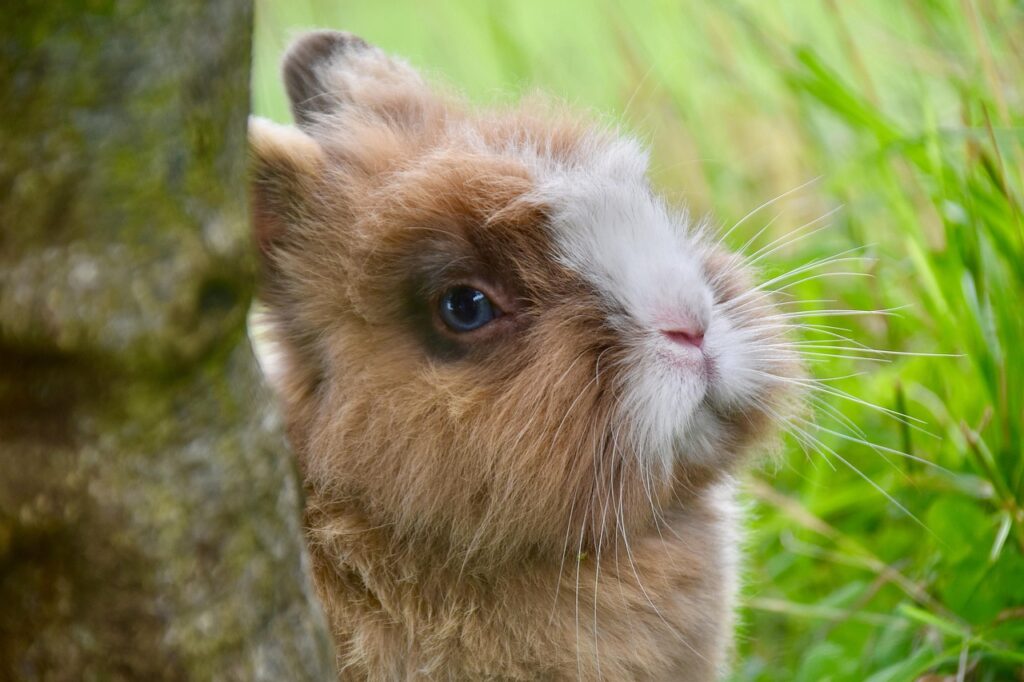
A rabbit is a small mammal with long ears, soft fur, and strong back legs. Rabbits belong to the scientific family Leporidae and are known for their soft fur, long ears, short tails, and hopping behavior. They come in many sizes, from tiny to quite large, depending on the breed.
The word “rabbit” is used in formal and scientific settings. Researchers, vets, and biologists almost always use this term when writing or talking professionally. It is the standard name that covers rabbits of all ages and all breeds.
Scientific Classification of a Rabbit
Rabbits fall under the order Lagomorpha and the family Leporidae. The European rabbit, known as Oryctolagus cuniculus, is the species from which all modern domesticated rabbits originated. This scientific name tells you exactly which animal is being discussed, with no room for confusion.
Understanding the classification helps, especially if you keep rabbits as pets or study them. It gives you a clearer picture of how rabbits relate to other animals like hares and pikas. They may look similar, but they are different in important ways.
Common Rabbit Species and Characteristics
There are over 30 known rabbit species found across the world. The pygmy rabbit is just around 7.9 inches long and weighs less than a pound, while the Flemish Giant rabbit averages 2.5 feet long and can weigh up to 15 pounds. This shows just how wide the range of rabbit types really is.
All rabbits share some key traits no matter the species. They are herbivores, they dig burrows, and they use their powerful hind legs to move fast and escape danger. These shared traits are what define them as rabbits across every breed.
What Is a Bunny?
A bunny is not a different animal. It is simply a softer, more affectionate way to say rabbit. “Bunny” is commonly used as an endearing or affectionate way to refer to a rabbit, and it often carries a sense of playfulness and youthfulness. Most people picture something small, cute, and fluffy when they hear the word.
The word is used a lot with children, in cartoons, and around holidays like Easter. It brings a warm, friendly feeling that the word “rabbit” does not always carry. That is why it stuck around and became so popular.
Is “Bunny” an Official Term?
No, “bunny” is not a scientific or biological term. Bunny does not have a biological definition, but it has become widely used, especially in pop culture and around holidays like Easter. You will not find it in any formal classification of animals.
That said, the word has real meaning in everyday language. It is widely understood and accepted when used in casual conversations, pet stores, children’s books, and social media. Just do not expect a scientist to use it in a research paper.
How the Word Bunny Is Commonly Used
People use “bunny” mostly in two situations: when talking about baby rabbits, or when showing affection toward any rabbit. Today, the word “bunny” is primarily associated with baby rabbits or used affectionately for any rabbit, and in modern contexts, it is often a playful or casual term. Pet stores, for example, might label a young rabbit as a “pet bunny” to make it sound more appealing.
The word also appears a lot in culture and media. Think of the Easter Bunny or Bugs Bunny, both famous examples of how this word became part of everyday life. These uses helped “bunny” become one of the most recognized animal nicknames in the world.
What’s the Difference Between a Rabbit and a Bunny

Now that you know what each word means, the answer becomes simple. The main difference between the two lies in their usage, where “rabbit” is the scientific term used to describe members of the Leporidae family, while “bunny” is more of a term of endearment or affection. They are the same animal, just described differently based on context.
If you are writing a formal piece or talking to a vet, use “rabbit.” If you are talking to a child or describing a cute pet, “bunny” fits perfectly. The animal does not change, only the tone does.
Are Rabbits and Bunnies the Same Animal?
Yes, completely. There is no separate species called a bunny. Bunnies and rabbits are basically the same animal, but age tends to be the deciding factor, where “bunny” is often associated with young rabbits while adult rabbits are commonly referred to as just “rabbits.” So the word you use often depends on how old the animal is or how you feel about it.
Some people use “bunny” only for baby rabbits and switch to “rabbit” once the animal grows up. Others use both words for any rabbit at any age. Neither way is wrong in everyday conversation.
Differences in Terminology: Informal vs. Formal
The clearest way to understand this is by thinking about context. “Rabbit” is the more scientifically recognized term, while “bunny” conveys a sense of endearment for the playful and cute qualities of baby rabbits. One belongs in textbooks, the other belongs in bedtime stories.
In a vet’s office, on a wildlife report, or in a biology class, you will hear “rabbit.” In a pet shop, a children’s cartoon, or an Easter message, you will hear “bunny.” Both are correct in their own place, just know where each one fits.
What’s the Difference Between Rabbits and Bunnies (Plural Use)
When people say “rabbits,” they usually mean a group of adult animals or the species in general. When people say “bunnies,” they often mean a group of young or especially cute rabbits. In the 18th century, the term “coney” was commonly used for adult rabbits, and “rabbit” was reserved for the young, but as colloquial usage shifted, both “rabbit” and “bunny” became interchangeable.
So even the plural forms follow the same logic. The meaning shifts slightly with age and tone, but the animal stays the same. Once you understand this, using either word feels natural and right.
When to Use “Bunny” vs. “Rabbit”
Choosing the right word is easier than it sounds. Think about who you are talking to and what kind of setting you are in. If the situation is casual or emotional, “bunny” works well. If it is professional or factual, stick with “rabbit.”
There is no rule that says you must always choose one. Most people switch between them without thinking about it. The key is just being aware of what each word signals to the listener.
Bunny in Cultural and Casual Contexts
“Bunny” shows up everywhere in popular culture. The Easter Bunny is one of the most well-known examples, tied to spring, joy, and childhood tradition. Bugs Bunny is another, a cartoon character that made the word feel fun and familiar to generations of people.
In everyday speech, people say “bunny” to sound sweet or playful. Parents use it with their kids, pet owners use it for their animals, and greeting cards use it to feel warm. It is a word with a lot of soft emotional weight behind it.
Rabbit in Scientific and Formal Contexts
When accuracy matters, “rabbit” is always the better choice. Scientists, zoologists, and veterinarians use this term because it is the accepted biological name. It leaves no room for misunderstanding in professional discussions.
Even in formal writing or news, “rabbit” is preferred. If a research study covers the eating habits of wild rabbits, using “bunny” would feel out of place. The word “rabbit” keeps things clear, neutral, and professional.
Final Verdict: Rabbit or Bunny, Does It Matter?
Honestly, in most situations it does not matter much. Both words mean the same animal, and most people around you will understand either one. The only time it really matters is when you are in a scientific or professional setting, where “rabbit” is the correct and expected term.
For everything else, use whichever word feels right. If you love your pet and want to call it a bunny, go ahead. If you are writing a report or visiting the vet, say rabbit. The animal stays the same no matter what you call it.
FAQs
Are a rabbit and a bunny the same animal?
Yes, they are the same animal. “Bunny” is just an informal, affectionate name for a rabbit, especially a young one.
Why do people call them bunnies instead of rabbits?
“Bunny” feels softer and cuter, so people use it when showing affection or talking to children. It has no scientific meaning but is widely understood.
Is a bunny always a baby rabbit?
Not always. While “bunny” is often used for young rabbits, many people use it for adult pet rabbits too. It depends more on tone than age.
What do you call a group of rabbits?
A group of rabbits is called a colony or, more playfully, a fluffle. Both terms are correct and used in different contexts.
What is the scientific name for a rabbit?
The European rabbit, from which all domestic breeds come, is called Oryctolagus cuniculus. This is the formal biological name used in science and research.
Pingback: What Do Rabbits Eat in the Wild? - Eachpetscare