
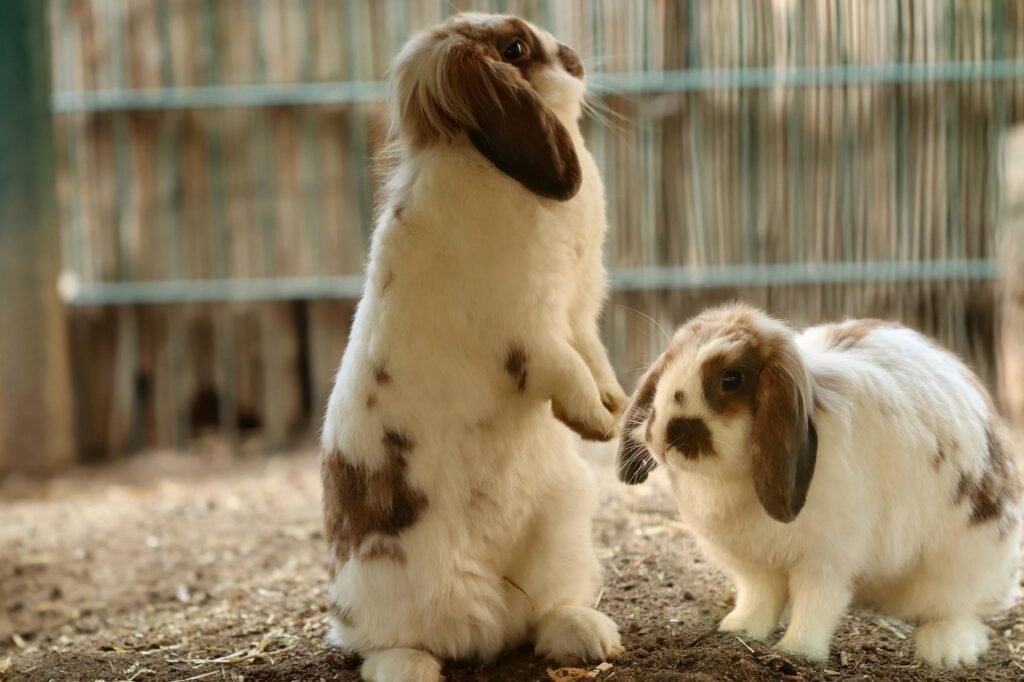
Lop rabbits are popular because of their long, floppy ears. Upright ears cannot match the breed’s soft, sensitive, even cuddly appearance. However, a serious question hides beneath the appeal.
When most rabbits keep their ears proudly straight, why do lop ears hang down? The solution is neither a mystery nor a flaw. It comes down to slight variation in the structure of a lop’s ear cartilage and cranium. So why do lop rabbits have ears that hang down?
Briefly, lops lack the solid cartilage structure that keeps other rabbits’ ears upright. This guide delves deeply into the subject. It covers the science, breeds, health risks, and practical ways to keep a floppy-eared rabbit happy and healthy.
The Simple Answer: Why Lop Ears Hang Down
Cartilage is the abbreviated term. Cartilage is the hard, flexible tissue that gives an ear its structure and support.
Three segments of cartilage interlock in the ear of an upright rabbit. Together, they form a rigid framework that keeps the tall ear upright.
A portion of that support is absent from a lop rabbit. A tiny opening, perhaps a few millimeters of soft tissue, where solid cartilage should join, was discovered during research on lop ears.
The ear has nothing firm to rest on in that space. So it folds over and hangs down along the face instead of standing tall.
The Genetics Behind Lop Ears
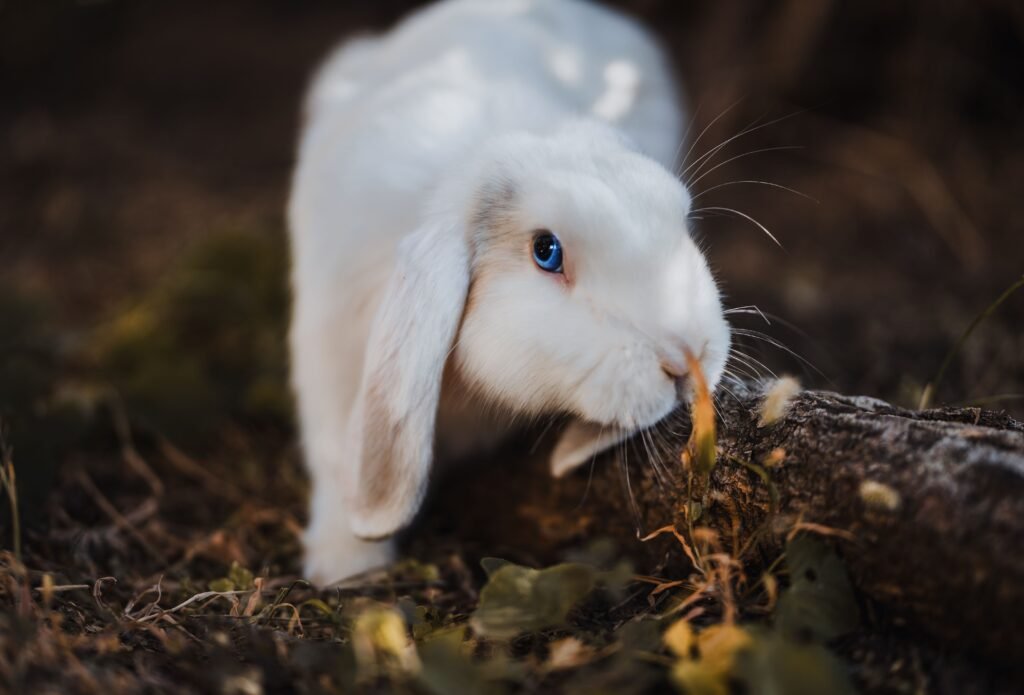
Unlike some features, lop ears aren’t caused by a single simple gene. They result from a combination of genes that weaken the ear cartilage and deform the skull. Because of this, breeding is not always predictable. The babies can land anywhere between an upright rabbit and a lop.
Some of those intermediary bunnies have one ear up and one down. Others have ears that protrude sideways rather than completely dropping, and they sit in the center. However, within lop breeds, the feature remains constant. When you breed two lops, their offspring consistently have those distinctive floppy ears.
Lop Ears Are Man-Made, Not Natural
Many owners are surprised by this fact. No floppy-eared rabbits exist in the wild. For good reason, all wild rabbits have upright, movable ears. They can detect predators early thanks to the rotation of their tall ears.
Only because they were bred that way do lop ears exist. Breeders deliberately selected rabbits with drooping ears for many generations. Long ago, even Charles Darwin observed this. He noted that breeding rabbits to have floppy ears also altered their skull curvature.
How the Skull and Crown Shape Cause It
The floppy appearance involves more than just the ears. Skull shape is the first step. On top of their heads, lop rabbits have a slightly elevated cartilage ridge. Breeders call this bulge, located directly between the ears, the crown.
The crown supports the ears of upright rabbits. Lops’ ears fall to the sides because of the head shape.
Even so, the ear aperture faces the skull. Because of this system, a lop can’t lift its ears like other rabbits.
Are Lop Rabbits Born With Floppy Ears?
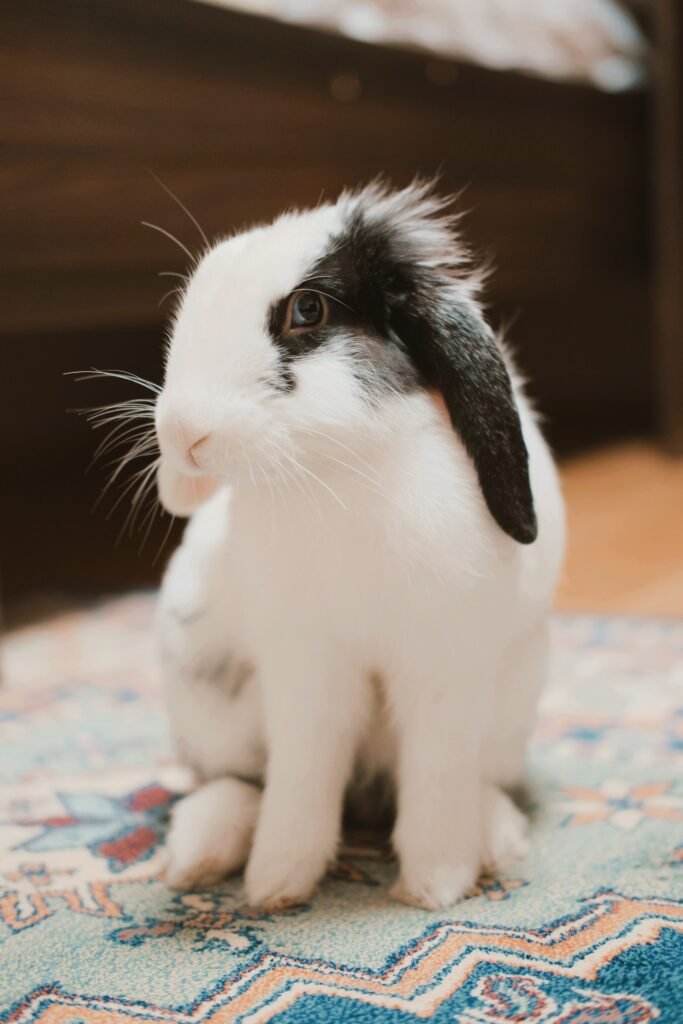
In actuality, baby lops resemble other rabbits after birth. At birth, they stand erect and have tiny ears.
Those ears get heavier and longer as they mature. They gradually take on the traditional lop form over the first few weeks and months.
Many juvenile lops go through a humorous transitional phase. It’s quite usual for one ear to drop before the other, creating an uneven “helicopter” appearance. Therefore, if your juvenile lop’s ears are still partially up, don’t worry. Some rabbits never fully drop their ears, while others keep one ear up longer.
A Quick History of the Lop Rabbit
The history of lop rabbits is longer than most people realize. The earliest lop breed was the English Lop, which originated in England in the early nineteenth century.
As a result, it is among the world’s oldest domestic rabbit breeds. As the animal fancy hobby emerged, breeders developed it for exhibitions.
Over time, more lops emerged. The small Holland Lop arrived in 1949, while the French Lop first appeared around 1850.
The English Lop continues to set incredible records. One rabbit has the biggest ear span ever measured, measuring almost 31 inches across.
The Main Lop Breeds
Every lop has a different method of wearing its ears. Breed ear sizes vary greatly, from small to enormous.
The American Rabbit Breeders Association recognizes five lop breeds. These are the people you are most likely to run into.
English Lop
The English Lop is the original and largest member of the group. It occasionally drags its longest ears on the ground.
To prevent dirt and damage, those extra-long ears need special attention. They also increase the breed’s susceptibility to ear issues.
French Lop
The French Lop is a big, heavy, peaceful rabbit. Its ears are shorter than those of the English Lop, but they are still big and long.
This breed is renowned for being kind and relaxed. Because of its size, it needs plenty of room to stretch and move.
Holland Lop
One of the most common and compact lops is the Holland Lop. Its body is small, and its ears are round and short.
It is a beloved family pet because of its adorable face and small stature. It has the same lop skull shape despite having short ears.
Mini Lop and American Fuzzy Lop
In terms of size, the Mini Lop falls between the Holland Lop and the French Lop. It is lively, stocky, and well-liked by families.
The American Fuzzy Lop has long, woolly fur and resembles a Holland Lop. Regular grooming is necessary to keep that smooth coat tangle-free.
What Floppy Ears Mean for Your Rabbit’s Health
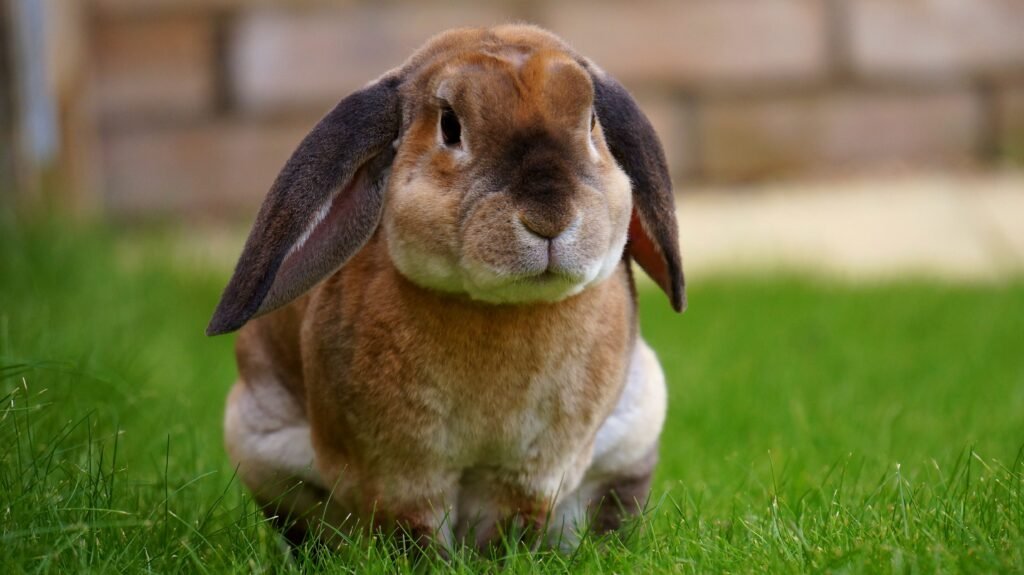
Those cute ears can come with serious health risks. Their adorable shape also poses risks. The Royal Veterinary College states that lop-eared rabbits are more likely than upright-eared rabbits to have dental and ear issues. It pays to watch for these problems because many go unnoticed until they become serious.
Ear Infections and Wax Buildup
The biggest concern with lops is their ears. Wax can get trapped deep inside the ear canal because of their folded shape.
Trapped wax and poor airflow can cause painful infections. In extreme circumstances, the harm may result in permanent deafness.
According to an RVC study, the issue is frequently imperceptible from the outside. Veterinary ear checks are crucial because lops were far more likely than upright rabbits to have hidden hearing loss.
Ear Mites and Head Tilt
Ear mites can also easily infect lops. These microscopic parasites produce persistent head shaking, itching, and crusty brown waste.
A deep ear infection can spread to the inner ear if left untreated.
Veterinarians call this vestibular disease, which can cause a head tilt, wobbling, or circling.
A head tilt always requires prompt veterinary care. Your rabbit feels uncomfortable, which typically indicates the infection has spread.
Dental Concerns
Tooth issues have traditionally been associated with lops. People once believed their teeth were crowded or out of alignment because of their altered skull shape.
However, more recent RVC research has weakened that notion. Research has found that, for dental disease, nutrition and maintenance may matter more than head shape.
Therefore, whether a rabbit is lop or not, its teeth are worth observing. The best defense is a healthy hay-based diet, which we discuss below.
Weaker Hearing
A lop’s hearing is also affected by floppy ears. Drooping ears can’t swivel to detect and identify sound. As a result, lops typically have less acute hearing than straight-eared rabbits. To compensate, they rely more on whiskers, sight, and scent. Keep this in mind when your pet is around. A lop might not hear you approaching, so be careful not to startle it.
Trouble Staying Cool
This is a lesser-known risk associated with lop ears. Rabbits emit heat through their big, blood-filled ears because they lack sweat glands. Said, floppy ears dissipate heat less effectively. Therefore, in warm weather, lops may overheat more quickly than upright rabbits.
In the heat, provide shade and adequate ventilation to keep your lop cool. Since lops often show few early warning signs, watch closely for heat stress.
Signs of Ear Trouble to Watch For
Knowing the symptoms matters because ear issues are hard to spot in lops. Your rabbit will suffer less if you catch issues early.
If you observe any of these, give your veterinarian a call:
- shaking the head or picking at the ears.
- a foul odor, discharge, or dark wax.
- a head tilt or unsteadiness.
- eating less, staying hidden, or displaying poor vitality.
Rabbits are skilled at concealing their discomfort. Therefore, even a minor behavioral shift merits further investigation.
How to Care for a Lop Rabbit’s Ears
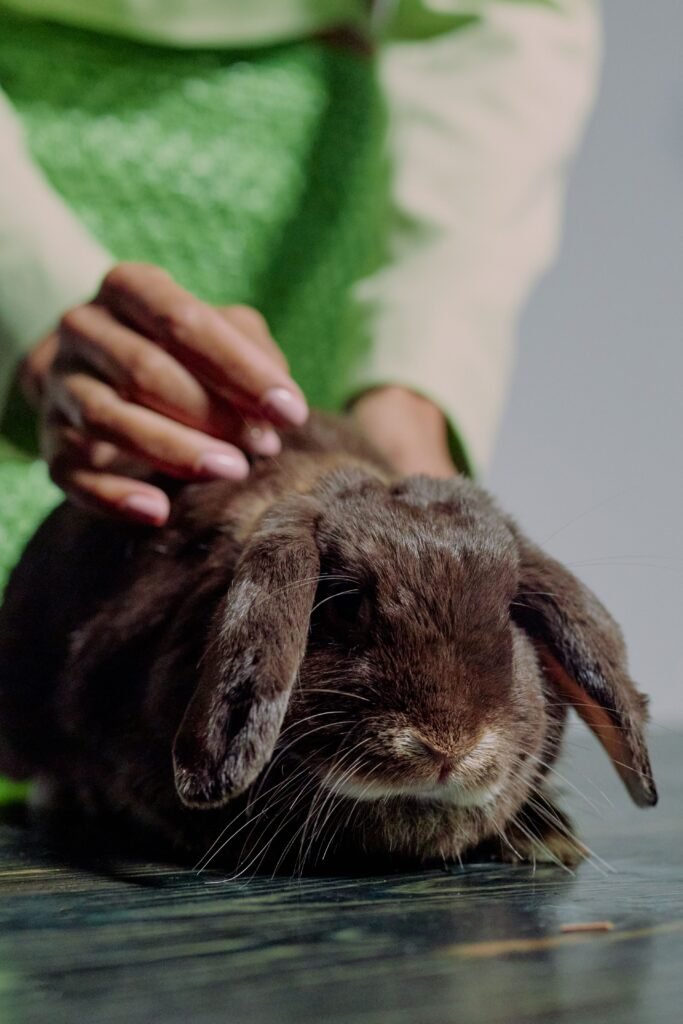
Lop ears are easy to care for, but you must do so regularly. A little routine can prevent most major issues.
Develop these routines for your care:
- Every week, check for wax, redness, or odors inside the ears.
- If necessary, use a rabbit-safe ear cleaner to clean gently.
- Never push cotton swabs far into the canal.
- At each veterinary appointment, request an otoscope ear exam.
Additionally, avoid overcleaning. Usually, a brief weekly inspection and the occasional light cleaning suffice.
How Vets Diagnose and Treat Ear Problems
If you suspect ear problems, your veterinarian has the right tools. They begin by using an otoscope to look deeply into the canal.
They might also use a swab to look for bacteria, yeast, or mites. This provides them with precise information about what they are treating.
The cause determines the treatment plan. Infections require medicines, mites require antiparasitic medication, and excessive wax may require a mild flush while sedated. Surgery may be necessary in very difficult, chronic situations. The easiest way to avoid that path is to catch issues early.
Keeping Your Lop’s Teeth Healthy
A little prevention goes a long way because teeth can be a problem. The good news is that diet does most of the work.
Make grass hay, which is available all day, the primary food. A rabbit’s ever-growing teeth naturally wear down when it chews tough hay.
Avoid muesli-style mixes since they are associated with tooth disease. Instead, add a tiny amount of fresh greens and plain pellets.
Additionally, schedule routine dental examinations with your veterinarian. They can identify sharp or enlarged teeth before they become painful or interfere with chewing.
Lop Rabbit Temperament and Everyday Care
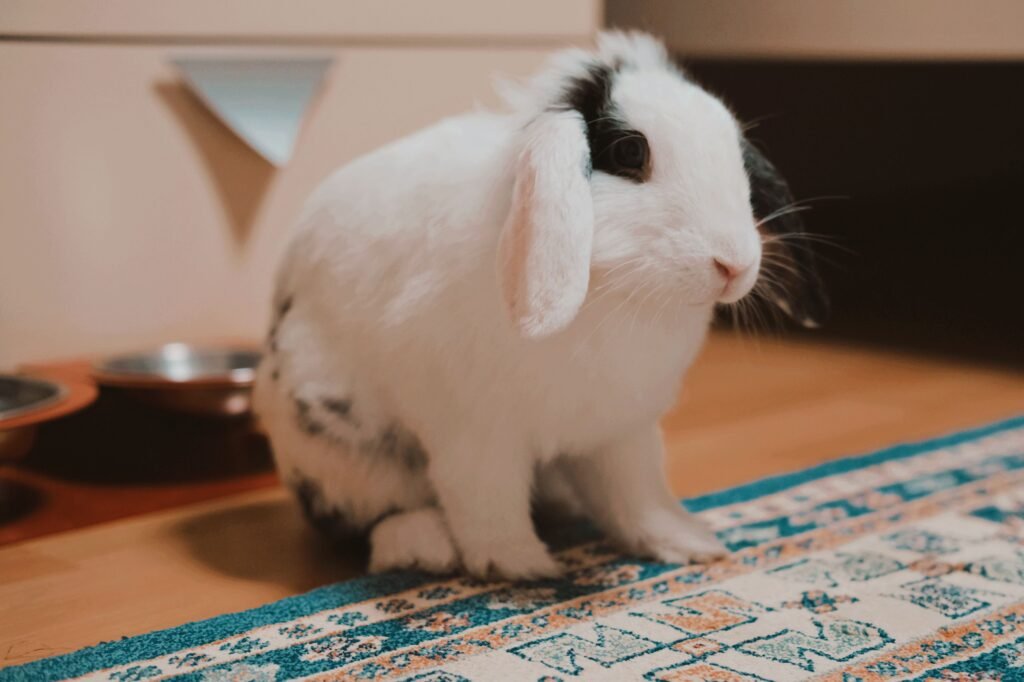
Lops are great pals, despite the ears. They are renowned for being peaceful, kind, and loving.
Families and new owners often love them for their laid-back disposition. Once they trust you, many lops like being handled and petted.
They require the same basic care as any other pet rabbit. They require clean water, plentiful hay, fresh greens, room to hop, and daily companionship. With proper care, a lop can live 8 to 12 years. Plan for the veterinary examinations their ears will require, because this is a long-term commitment.
Should You Get a Lop Rabbit?
Considering all of this, are lops still suitable pets? Yes, and many owners like these lovely, kind friends. However, health research raises a valid question. Breeding for extremely floppy ears may come with significant welfare costs.
None of this should frighten you if you already have a lop. It just entails maintaining a healthy diet and being proactive with ear checkups. If you’re purchasing one, choose a reputable breeder. Avoid rabbits with extremely unusual ear shapes and inquire about the parents’ ear health.
Frequently Asked Questions
Are lop rabbits born with their ears down?
No. They have tiny, erect ears at birth that gradually droop as they get bigger. In the first few months, the full lop form typically develops.
Is it painful for a lop to have floppy ears?
The ears themselves don’t hurt. However, frequent examinations help because the small canals that accompany them can retain wax and lead to excruciating infections.
Can a lop rabbit hear with its ears down?
Yes, but not as sharply as rabbits with upright ears. They rely more on other senses because their floppy ears can’t spin to detect sound.
Why does my lop have one ear up and one down?
Helicopter ears are common, particularly in young lops. Simply put, one ear fell before the other.
Do all lop breeds have the same ears?
Although the size varies greatly, the crown shape remains the same. Holland Lops have short, rounded ears, but English Lops have fairly long ears.
How often should I clean my lop’s ears?
Check them once a week, and only give them a light cleaning if wax accumulates. At every appointment, have your veterinarian do a proper otoscope examination.
Are lops more sensitive to heat?
Indeed. In warm weather, keep lops cold and shaded since their floppy ears dissipate heat less effectively.
conclusion
So why are the ears down on lop rabbits? Their ears lack the robust cartilage scaffold that keeps other rabbits’ ears upright.
Human breeding and a unique skull shape are the root causes. Those adored floppy ears you see today are the outcome.
Keep in mind that hidden health concerns can come with the adorable appearance. Watch for tooth issues, ear infections, and even overheating. Keep up frequent vet visits, cool summers, a hay-based diet, and regular ear checks. Your lop will live a long, happy, floppy-eared life if you do it.