
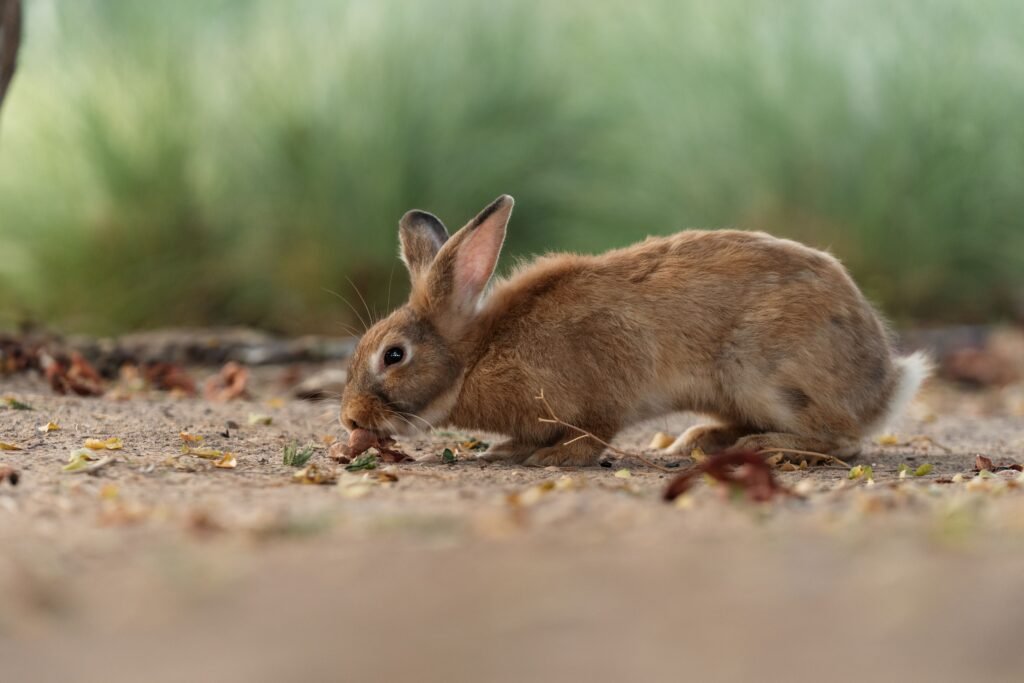
One grape appears to be entirely innocuous. Your rabbit will thump over and beg the moment it sees one in your hand since it is small, soft, juicy, and tasty.
However, that little fruit conceals a much larger question than it reveals. A food that appears harmless to us might subtly cause major issues in a rabbit’s stomach due to their very fragile digestive processes.
Can rabbits consume grapes, then? The short answer is that they can, but only as a rare treat in very small amounts. What distinguishes a safe snack from a trip to the vet is the specifics of how much, how often, and how you prepare it.
Although the high sugar content of grapes is a serious worry that far too many owners ignore, grapes are not poisonous to rabbits. Grapes can upset the stomach, cause weight gain, erode teeth, and possibly contribute to GI stasis, a potentially fatal delay.
The purpose of this guide is to provide all the answers in one location. It covers safe serving sizes, all grape varieties and plant parts, step-by-step grape feeding techniques, warning signs of trouble, and healthier alternatives.
Can Rabbits Eat Grapes? The Quick Answer
Before we do anything else, let us answer the primary question. Grapes can be consumed by rabbits, but only as a special treat and never as a regular part of their diet.
Many anxious owners find comfort in this aspect.You may have heard that grapes are hazardous; even a tiny quantity of grapes can cause sudden renal failure in dogs, yet rabbits are immune to this specific toxicity.
The threat to a rabbit is digestive rather than a deadly poison. The true culprit is sugar, which is merely too small for a rabbit’s digestive system to handle.
The House Rabbit Society states that a rabbit’s diet should always consist of very little fruit. Fruit is a rare, sugary bonus at the top of the pyramid, but hay always comes first and fills the bowl.
Why Sugar Is the Real Problem
Understanding why sugar creates so much difficulties is quite helpful when it comes to grape feeding. It all comes down to the unique digestive system anatomy of rabbits.
Because they are hindgut fermentors, rabbits rely on a large pouch called the cecum that is loaded of helpful bacteria. As those bacteria convert fiber into useful nutrients, only a steady, high-fiber, low-sugar diet maintains their health and balance.
A rapid spike in sugar immediately upsets that delicate balance. With 15 to 16 grams of sugar per 100 grams, grapes have one of the highest sugar contents of any common fruit. Compared to the nearly sugar-free grass and hay that rabbits have evolved to consume, this is substantially greater.
The harmful bacteria can proliferate and displace the beneficial ones when the cecum is exposed to excessive amounts of sugar. In the worst situations, this imbalance can cause a rabbit to enter GI stasis, which is a potentially catastrophic stoppage of the entire gut. Initially, it manifests as soft feces, gas, and bloating.
How Many Grapes Can a Rabbit Eat?
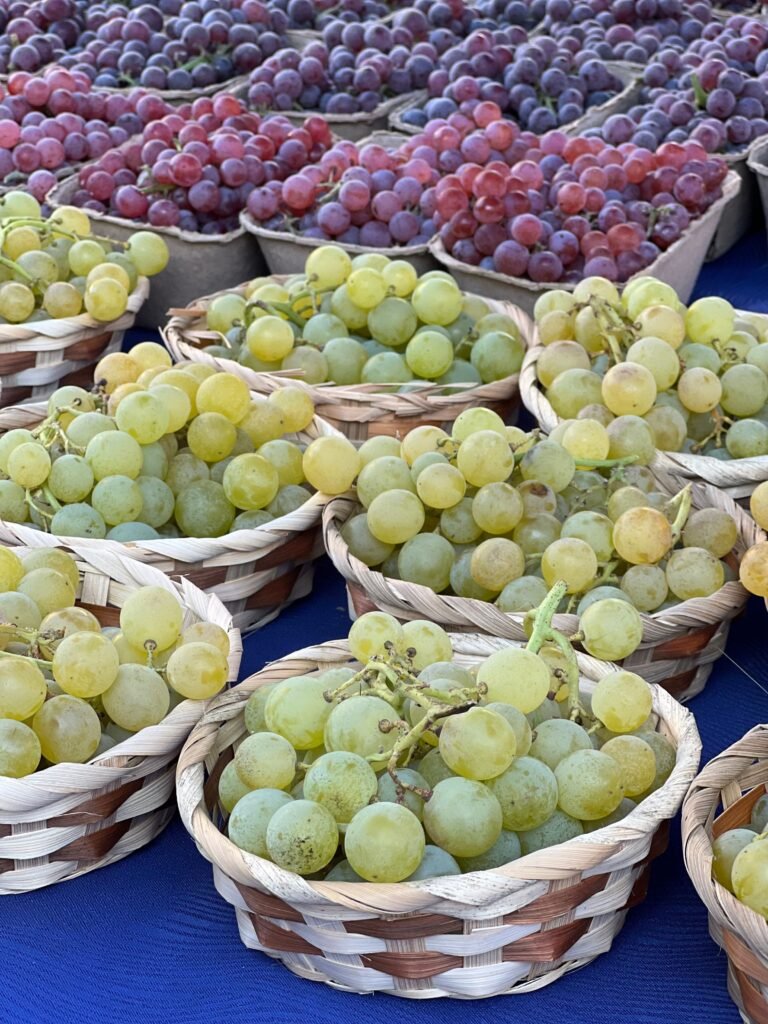
The safe amount is often surprising to new owners because it is far smaller than most people anticipate. One small grape once or twice a week is actually sufficient for an average, healthy adult rabbit.
One grape for every two to four pounds of body weight is a straightforward recommendation that should be viewed as a weekly maximum rather than a daily allotment.
Therefore, a typical five-pound rabbit receives around one grape every meal, never a tiny handful like a person might have for a snack.
The rules are shifted in both ways by body size. A large Flemish Giant can tolerate a bit more, but even a giant does not require more than two grapes at a time. A tiny dwarf rabbit should only receive half a grape at a time.
It’s also not optional to cut the grape into little pieces. Slicing each grape into half or quarters is a crucial safety precaution since a whole grape is nearly precisely the appropriate size and shape to lodge in a rabbit’s throat.
Hay is the highlight of every day, regardless of the size of your rabbit. About 80% of your rabbit’s diet should consist of grass hay; grapes should only be used as a treat inside the small fruit part, never as a meal.
The Benefits of Grapes for Rabbits
Grapes are not just empty sugar, and they do have some real benefits when consumed in moderation. Knowing these will help you enjoy the treat without giving it too much credit.
A piece or two of grapes can help a rabbit who doesn’t drink much since, first of all, they contain a lot of water. In the minuscule amounts that a rabbit would ever consume, they also contain antioxidants, such as resveratrol, which promote overall health.
However, enrichment rather than nutrition is the greatest advantage. In addition to strengthening your link while hand-feeding and providing your rabbit with something exciting to look forward to, a pleasant, unique treat might entice a finicky or recuperating rabbit to show interest in food once more.
Just remember to keep things in perspective. Your rabbit may obtain all the benefits of grapes more safely from fresh water, hay, and leafy greens, so grapes will always be a delightful addition rather than a necessary food.
How to Feed Your Rabbit Grapes Safely
It simply takes a minute to properly feed grapes, and that minute avoids nearly all usual issues. The objective is to eliminate the risks and gradually add the sugar.
Every time, take these easy steps:
- Give the grape a thorough cleaning under cold running water.
- Take off the woody stem and any seeds.
- Slice it into bite-sized pieces.
- The first time, offer just one piece.
- Keep a watchful eye on the droppings for a whole day.
You can occasionally reintroduce grapes if your rabbit continues to eat hay and the droppings remain firm and usual. Stop the grapes and immediately return to regular hay and water if you notice soft stool, a bloated belly, or a missed meal.
Here, washing merits more consideration because it is easy to neglect. A thorough rinsing is crucial since grapes are often among the most pesticide-heavy fruits available, and a rabbit’s small body is far less able to manage even trace contamination than an adult human.
Which Types of Grapes Are Safe?
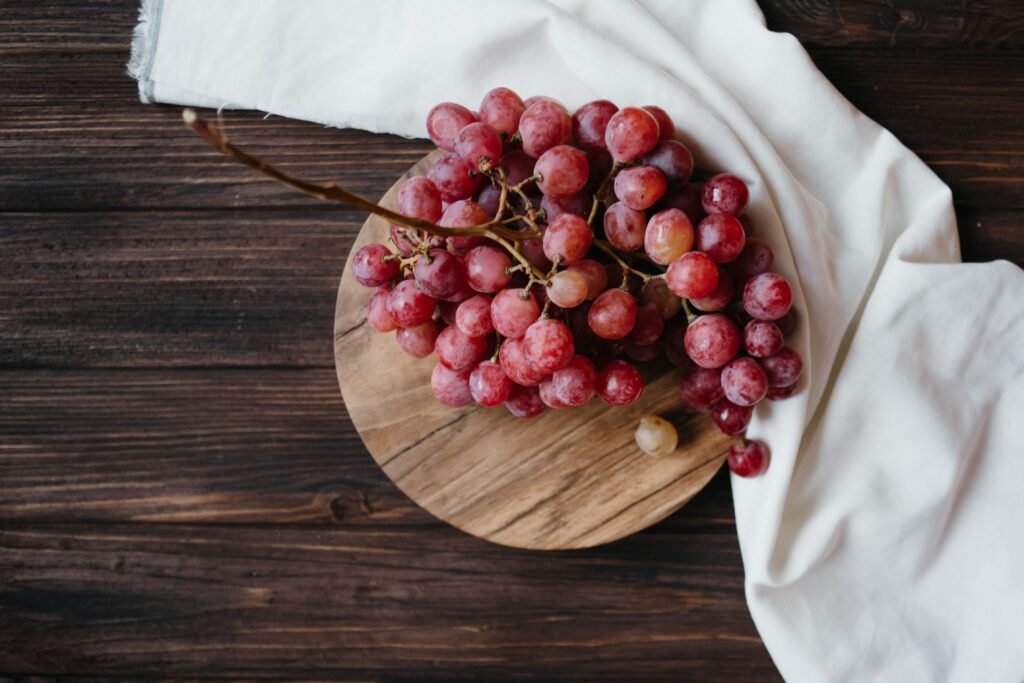
Grapes come in a kaleidoscope of colors and kinds, and the encouraging news is that nearly all of them are safe in the same tiny portions. The key factor that changes from one variety to the next is the sugar amount.
Because sugar is the whole concern, it is worth knowing which types run sweeter. Here is how the common types stack up for a rabbit.
Green and Red Grapes
Both green and red grapes are absolutely safe for rabbits when restricted to a little serving. Green grapes tend to taste a bit less sweet, so people frequently assume they are much better, although the real difference is modest.
In actuality, the sugar level is practically comparable between the two, at around 15 to 16 grams per 100 grams. Both are subject to the one-to-two-piece guideline, although it doesn’t harm to favor green grapes and pay particular attention to red ones.
Seedless vs. Seeded Grapes
The simplest and safest alternative are seedless grapes, which completely eliminate one concern. You never have to worry about choking when there are no seeds involved.
A ingested grape seed won’t be deadly because grape seeds aren’t poisonous to rabbits. If you only have seeded grapes, cut them open and remove the seeds first because a hard seed could be a choking threat for a small rabbit.
Concord and Cotton Candy Grapes
Concord grapes have a more sour flavor and thicker skins, but they are harmless. Because Concords are known to stick to more pesticide residue than smoother kinds, cut them into small pieces and give them a thorough wash.
Cotton candy grapes, on the other hand, are worth noting. Because they have been deliberately developed to taste like spun sugar, they have a much greater sugar content. As a result, it is better to either completely avoid them or just sometimes taste them.
Wild Grapes
If you are completely positive about the vine you are plucking, wild grapes can be safe. Foraging is extremely risky due of a dangerous doppelganger.
Virginia creeper, which can be mistaken for wild grapes and grows in many of the same locations, is the plant to be afraid of. The risk is significant because its berries contain sharp calcium oxalate crystals that can seriously harm a rabbit’s kidneys.
Because of this, you should never offer a grape that has been foraged unless you are absolutely certain of the plant’s identity. A store-bought, cleaned grape is usually a safer option than a haphazard one from the yard.
Can Grape Skin and Other Parts Be Eaten by Rabbits?
Owners naturally inquire about the skin, seeds, leaves, and vines because a grape is more than simply its wonderful flesh. In fact, some sections are superior to the fruit, while others should be avoided.
This is a concise summary of every component of the plant.
Grape Skin
Peeling a grape before serving it is not necessary because grape skin is entirely harmless. For a rabbit, the skin even provides a tiny bit of additional fiber.
Cleanliness is the only warning. Every time, it’s crucial to properly rinse under running water before serving because the skin is precisely where pesticide residue accumulates.
Grape Leaves and Vines
For those who produce grapes, this is a truly delightful surprise. In actuality, grape leaves make a better diet for rabbits than grapes.
The leaves are a great complement to your rabbit’s daily diet of leafy greens because they are low in sugar and high in fiber. As long as they haven’t been sprayed with chemicals, grape vines are also fine. A dried piece of vine can even be used as a fun, tooth-friendly chew toy.
Grape Stems and Stalks
It is better to keep the woody stalks and grape stems out of the bowl. Large pieces can cause choking, and they are rough and difficult for a rabbit to digest.
If your rabbit accidentally grabs a tiny bit, there’s no reason to fear because it’s not harmful. Just be careful not to intentionally offer stems or stalks; instead, focus your chewing impulse toward hay or a secure willow twig.
Fresh, Frozen, or Dried Grapes?
This section is worth a moment because the way a grape is served affects its safety. While frozen and dried have their own problems, fresh is unquestionably the best.
What you should know about each of the three forms is as follows.
Fresh Grapes
Without a doubt, fresh grapes served at room temperature are the best option. They are easy for a rabbit to chew and digest, soft, and hydrating.
The simplest method is to wash them, cut them into pieces, and remove the seeds and stems. When prepared in this manner, a fresh grape is the most delicate form that the dessert may take.
Frozen Grapes
You shouldn’t eat frozen grapes right out of the freezer. Chewing a cold, rock-hard grape is painful and poses a serious choking threat.
Additionally, cold food can upset a rabbit by shocking its sensitive stomach. If the only grapes you have on hand are frozen, let them come to room temperature completely before serving a tiny portion.
Dried Grapes (Raisins)
Raisins are like grapes without the water, and it’s best to stay away from them completely. The drying procedure greatly concentrates the sugar rather than eliminating it.
A single tiny raisin, packed into a fraction of the size of an entire fresh grape, can contain about the same amount of sugar. Even if your rabbit is obviously craving raisins, don’t give them to them because that concentrated hit is too rich for their sugar-sensitive digestive system.
Can Different Rabbits Eat Grapes?
One rule does not apply to all rabbits because they differ in how they should handle grapes according on their age, size, and health. Matching the treat to each unique animal pays well.
This is how several types of rabbits fit grapes.
Baby Rabbits
No matter how much they beg, baby bunnies should never be given grapes. Sugary fruit can produce hazardous, fast-moving diarrhea, and their tiny, still-developing digestive systems are significantly more delicate than an adult’s.
Keep them on alfalfa hay and a decent pellet while they are young, gradually introducing simple greens as they mature. Wait until they are at least six to seven months old and consuming a consistent adult diet before giving them any fruit, including grapes.
Dwarf and Lionhead Rabbits
Compared to the typical rabbit, tiny varieties such as Lionheads and Netherland Dwarfs require significantly smaller portions. Simply put, their tiny bodies are unable to handle a lot of sugar without experiencing problems.
A reasonable maximum for these breeds is half a grape at a time, and even that should be infrequent. After that, keep a tight eye on them for the entire day because issues with small rabbits can manifest more quickly.
Flemish Giants
Due to their size, Flemish Giants and other large breeds may manage a little larger share. Nevertheless, a reasonable upper limit for these gentle giants is two tiny grapes per serving.
It’s crucial to keep in mind that a larger rabbit does not equate to an endless supply of fruit. A huge rabbit’s diet must still consist mostly of hay, with grapes remaining a little weekly treat.
Wild and Sensitive Rabbits
Although you shouldn’t feed grapes to wild rabbits, they can theoretically consume them. Giving food to wild rabbits that are accustomed to grasses and wild plants might lead to reliance and upset stomachs.
Grapes should also be completely avoided by pet rabbits with any history of stomach issues. Even a tiny amount of sugar is not worth the risk for a rabbit who is prone to GI stasis, bloating, or soft stools.
Signs Your Rabbit Ate Too Many Grapes
When used excessively, even acceptable treats can be harmful, so it’s important to recognize the warning symptoms. With a rabbit, promptly identifying a problem can make all the difference.
After any grape, pay special attention to these:
- Mushy, soft, or less droppings than usual.
- A tummy that appears tight, bloated, or uncomfortable.
- A sudden refusal of hay or loss of appetite.
- Low energy, hunching, or gnashing the teeth in pain.
Any of these could be the beginning of GI stasis, so take them seriously. If left untreated, that disease, in which the bowel slows or stops completely, can become fatal within a day.
Consider it an emergency and contact a rabbit-savvy veterinarian as soon as possible if your rabbit stops eating or passes droppings. You don’t want to take a chance with rabbits and wait to see if things get better on their own.
Healthier Treat Alternatives to Grapes
Select lower-sugar snacks if you enjoy indulging your rabbit more than once or twice a week. Your rabbit will have plenty of options without the sugar rush that comes with fruit.
Instead, reach for these softer treats:
* Fresh herbs such as parsley, mint, cilantro, or basil.
* Leafy greens, like spring greens or romaine.
* For a little sweetness, add a tiny slice of bell pepper.
* In small quantities, lower-sugar fruits like strawberries.
Since they may be incorporated into the daily cycle of greens, fresh herbs are particularly useful for everyday variation. They provide your rabbit with flavor, aroma, and stimulation without the high sugar content that makes grapes a once-in-a-lifetime treat.
Frequently Asked Questions
Can rabbits eat grapes every day?
No, you should never eat grapes every day. Over time, the sugar can lead to loose stools, weight gain, and digestive issues. The safe limit for a healthy adult rabbit is once or twice a week.
Are grapes poisonous to rabbits like they are to dogs?
No, and this is a typical misunderstanding. Dogs who consume grapes experience renal failure, whereas bunnies do not. The sugar’s impact on digestion is the only serious worry for rabbits.
Do I have to remove grape seeds?
Although seeds are not poisonous, little breeds in particular may choke on them. The simplest solution is to use seedless grapes, or just cut the grape and extract the seeds manually.
Do I have to remove grape seeds?
No. The Oregon grape, despite its name, is a totally different plant that is rather harmful to rabbits. Stick to standard table grapes and keep it firmly out of reach.
Are green grapes better than red?
Just a tiny bit. Although green grapes have a somewhat lower sugar content, the difference is negligible, thus both should be restricted to the same small amount.
Can rabbits with sensitive stomachs have grapes?
The best course of action is to completely avoid them. For a rabbit that already has digestive issues, even a tiny quantity of sugar can cause gas, bloating, or soft stool.
What should I do if my rabbit ate too many grapes?
To aid with the gut’s reset, cut off all grapes and provide only hay and clean water. Contact your veterinarian right once if bloating, soft stools, or appetite loss persist for longer than a day.
Conclusion
Can rabbits consume grapes, then? Yes, but only as a little, infrequent treat and never as a regular component of their diet because their digestive systems are designed for fiber rather than sugar.
The guidelines are surprisingly simple to recall. Once or twice a week, give your rabbit one tiny grape that has been cleaned and chopped into pieces. Hay should always be the main component of their daily diet.
Following any treat, keep an eye on your rabbit’s appetite and droppings as these are the first signs that something is wrong. A healthy, functioning stomach always comes first, but grapes are a delightful little bonus.
When in doubt, opt for leafy greens or fresh herbs rather than fruit. Your rabbit’s delicate tummy is secure and content while it still enjoys a treat.