
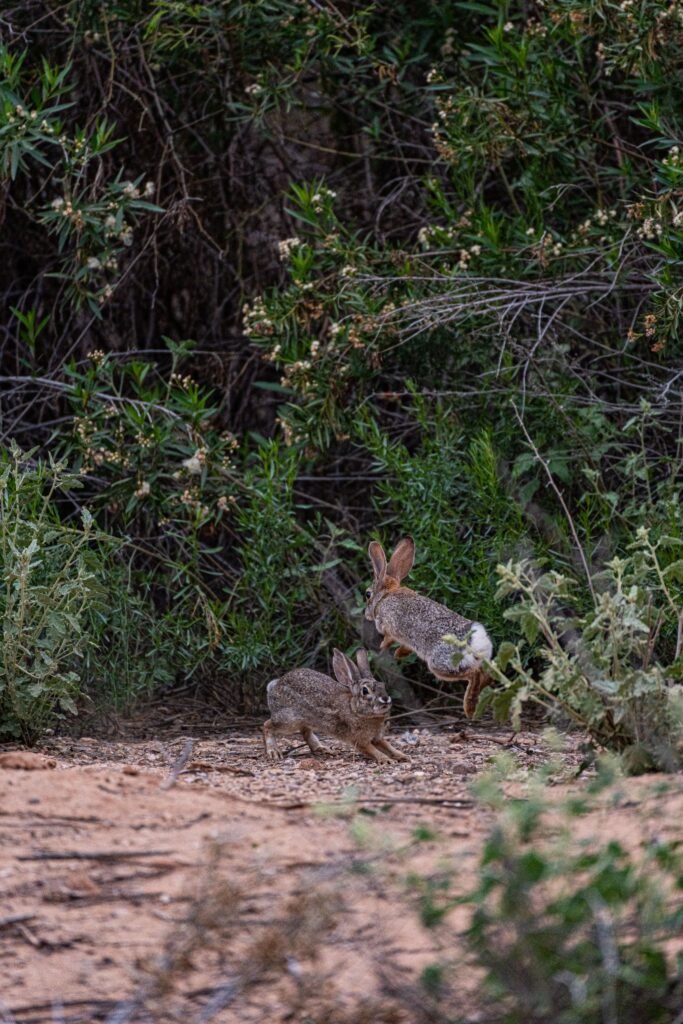
Cartoons shape a lot of what people think. Most people imagine a wild rabbit eating carrots all day long because of Bugs Bunny. The reality is much different, and this discrepancy can be dangerous. When people feed wild rabbits the incorrect meals, their delicate stomachs may become upset.
Wild rabbits are meant to eat grass and low-growing plants. Their entire body is adapted to this straightforward, high-fiber diet, from their teeth to their stomach.
What, then, do rabbits consume in the wild? Grasses, leafy weeds, herbs, and clover are the simple answer; the menu varies by season.
This guide explains the complete wild rabbit diet in simple terms. This guide covers every food group, every season, the various species, newborn rabbits, and whether you should feed them.
What Wild Rabbits Really Eat
As herbivores, wild rabbits exclusively consume vegetation. And when it comes to it, they are surprisingly constant. Grass makes up most of their diet. In actuality, about 80% of a wild rabbit’s daily diet consists of grasses and weeds.
Soft, leafy plants make up the remainder. Plantains, dandelions, clover, and other low-growing weeds complete most meals. Bonuses include flowers and the occasional piece of fruit.
The Washington Department of Fish and Wildlife states that rabbits primarily graze on grasses and herbs, then switch to woody plants when the greens run out.
Why Grass Matters So Much
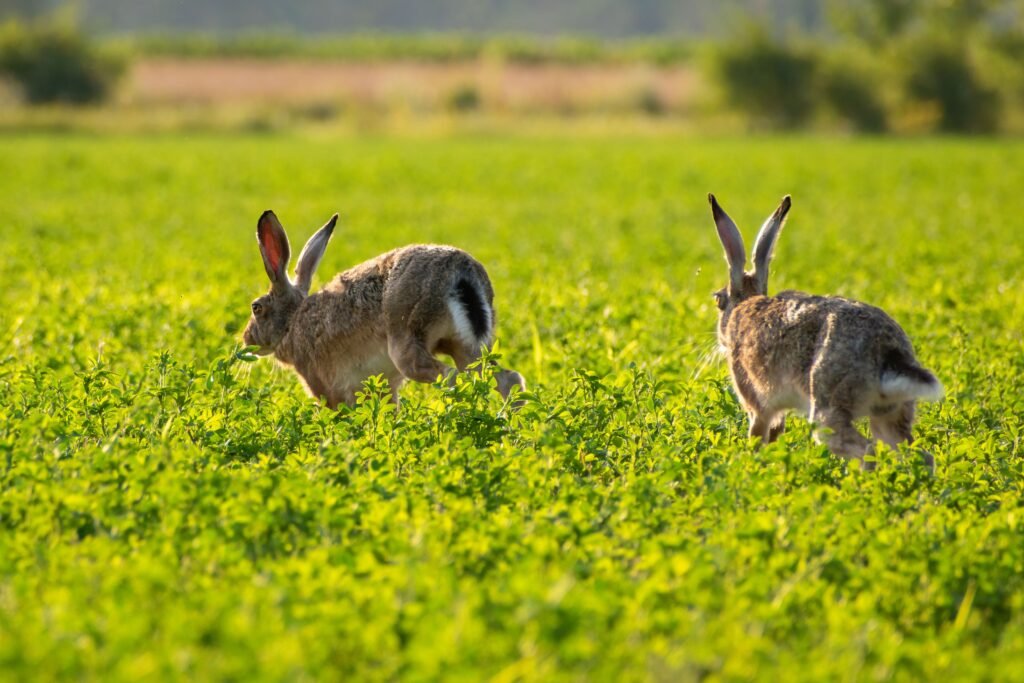
Although it may seem uninteresting, grass is the ideal food for rabbits. It is directly related to the structure of a rabbit’s body. A rabbit’s teeth never stop growing. Chewing tough, fibrous grass all day keeps them healthy and slowly wears them down.
Rabbits must consume a lot of grass because it is low in nutrients. This continuous grazing keeps their stomach active, which is essential to their survival.
They also have a unique digestive system. Rabbits are hindgut fermenters that convert fiber into nutrients through bacteria in a pouch called the cecum.
The Full Wild Rabbit Menu
A wild rabbit’s diet is wider than just grass. Once you break it into groups, the full picture is clear. Here are the main foods rabbits reach for in the wild.
Grasses
Grasses are the number one food, no contest. They are soft, easy to digest, and grow almost everywhere. Common favorites include ryegrass, fescue, bluegrass, and meadow grass. Rabbits clip them close to the ground, which actually helps the grass regrow.
Leafy Weeds and Herbs
After grass, leafy weeds are a rabbit’s best friend. Many are packed with vitamins and grow freely in open spaces. Dandelion is a top pick, along with plantain, chicory, and yarrow. Rabbits also nibble wild herbs and soft, tender leaves wherever they find them.
Clover and Legumes
Clover is one of the most loved wild rabbit foods. Rabbits eat the whole plant, from leaves to stems to flowers.
It is rich in protein and fiber, which gives rabbits steady energy. Other legumes and young forbs are favorites too, since they are the most nutritious greens around.
Flowers
Wild rabbits treat flowers as a sweet little extra. Most of what they eat is wildflowers they meet while grazing. They enjoy the fragrance and flavor, but they are careful. If a flower upsets their stomach, they usually learn to avoid it next time.
Bark, Twigs, and Buds
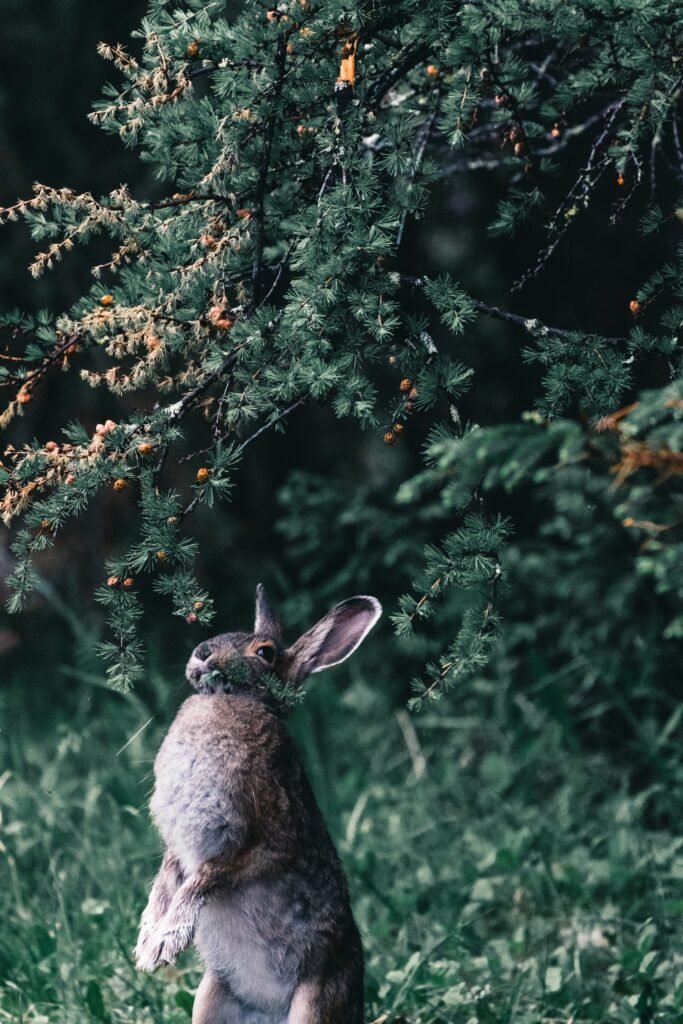
When soft greens vanish, rabbits turn to woody plants. Bark, twigs, and dormant buds become their winter survival food. Young trees with soft bark are the top targets, along with berry bushes and shrubs. Gnawing this tough material also helps wear down their ever-growing teeth.
What Wild Rabbits Eat by Season
A wild rabbit’s menu changes with the calendar. What is easy to find in June is gone by January. Here is how the diet shifts through the four seasons.
Spring
Spring is the easiest season for wild rabbits. Fresh, tender growth pops up everywhere after the cold. They fill up on new grass, clover, and young leafy weeds. This soft, nutritious growth helps them recover and start raising families.
Summer
Summer keeps the buffet open and varied. So many plants are growing that rabbits have endless choices. They graze on grasses, herbs, clover, and flowers all day. These foods are rich in moisture, which keeps rabbits hydrated in the heat.
Fall
Fall is a time of storing up before the lean months. Rabbits eat as much green growth as they can while it lasts. As plants start to die back, they add more seeds, twigs, and drying stems. This slow shift gets their gut ready for tougher winter food.
Winter
Winter is by far the hardest season for wild rabbits. The greens are gone, and the grass is dead or buried under snow. To survive, they switch to bark, twigs, buds, and evergreen needles. Food is scarce, and competition is fierce, so many wild rabbits do not make it through.
When and How Often Wild Rabbits Eat
Wild rabbits do not eat in big meals. Instead, they graze in small, frequent bites throughout their active hours. They are most active at dawn and dusk, a habit called crepuscular. These low-light times are the safest for slipping out to feed.
Grazing in the open is risky, since rabbits are prey for many animals. So they eat quickly and stay close to cover the whole time. Over a day, all that nibbling adds up to hours of grazing. That steady intake is exactly what their fiber-hungry gut needs.
Why Rabbits Eat Their Own Droppings
Here is a strange but brilliant part of rabbit digestion. Wild rabbits actually eat some of their own droppings. They make two kinds. Hard, round pellets are waste, while soft ones called cecotropes are full of nutrients.
Rabbits eat the cecotropes straight from the source, usually while resting. This lets them pull every last nutrient from a low-quality grass diet. It sounds gross, but it is essential. This double digestion is a big reason rabbits can survive on such simple food.
Different Species, Slightly Different Diets
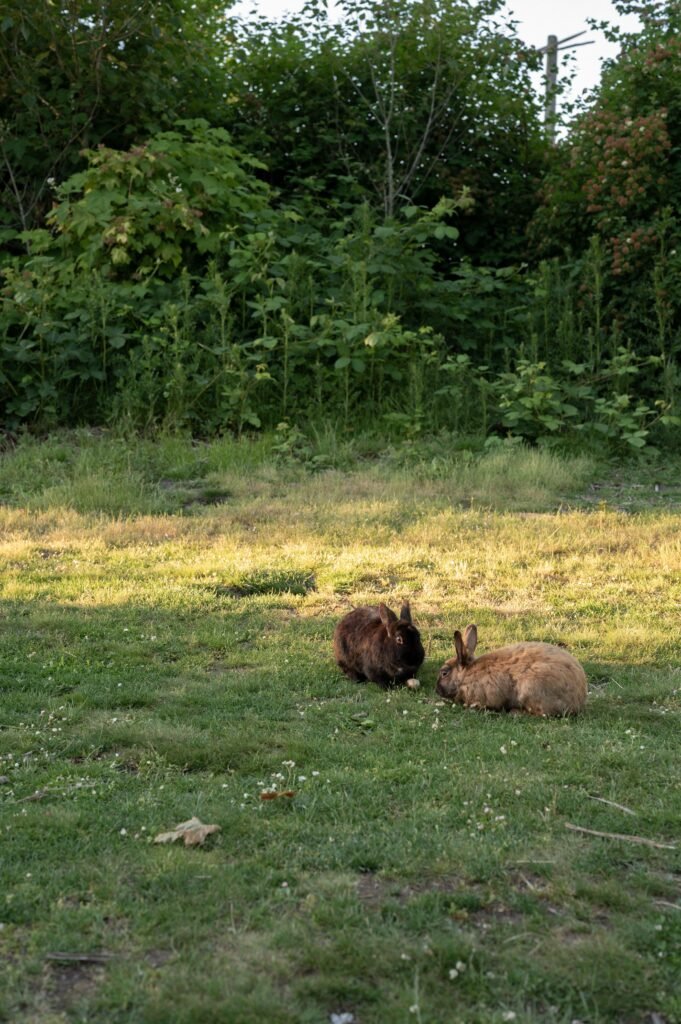
Not every wild rabbit eats the same. The plants on the menu depend on the species and where it lives. One quick note clears up a common mix-up. Some animals we call rabbits are actually hares, and they eat a bit differently.
Cottontail Rabbits
Cottontails are the most common wild rabbits across North America. They are true rabbits and prefer soft, green vegetation. Their diet leans on grasses, clover, dandelion, and other tender plants. In winter, they switch to bark, buds, and twigs like everyone else.
Jackrabbits (Really Hares)
Despite the name, jackrabbits are not rabbits. They are hares, which are larger and built for tougher country. They eat coarser grasses and shrubs that softer rabbits skip. In dry areas, they even nibble moisture-rich plants like cactus to survive.
Desert Cottontails
Desert cottontails live where water and greenery are scarce. Their diet focuses on surviving on as little as possible. They eat dry grasses, tough shrubs, and any green they can find. Plants that store water, like succulents, also help them stay hydrated.
European Rabbits
The European rabbit is the ancestor of pet rabbits. In the wild, it grazes in groups for safety, unlike solitary cottontails. Its diet is similar: grasses, clover, and leafy weeds in warm months. In winter, it too falls back on bark and woody plants.
What Baby Wild Rabbits Eat
Baby wild rabbits do not eat plants at first. Their early diet and care look very different from an adult’s. Here is how their feeding changes as they grow.
Newborns and Milk
Newborn wild rabbits are blind, hairless, and entirely defenseless. They rely fully on their mother’s milk. Interestingly, the mother visits the nest only twice a day, at dawn and nightfall. She stays away the rest of the time so predators cannot find her offspring.
Weaning and First Foods
Baby rabbits grow swiftly, with their eyes opening in just a week. By roughly two weeks, they start nibbling soft plants near the nest. Their first feeds are mild grasses, clover, and fragile leaves. They are totally weaned by four to five weeks and foraging on their own soon after.
Where Wild Rabbits Find Food
Wild rabbits are skilled at locating food wherever they wander; their menu shifts with the scenery. Here is what they consume in the most common locales.
Fields, Meadows, and Yards
Open grassy areas are a rabbit’s ideal dining room. Grass, clover, and dandelion abound in meadows and fields. Open country frequently lacks the variety found in a backyard. There, grass, weeds, and leafy vegetation make a simple, alluring meal.
Gardens
For a hungry rabbit, gardens are essentially a free buffet. Young vegetables, delicate stems, and soft leaves are all acceptable. However, garden vegetables aren’t part of their natural diet; they are an opportunistic snack. A wild rabbit’s grass-tuned gut can be upset by rich foods like lettuce or cabbage.
Cities and Deserts
City rabbits quickly become accustomed to sidewalk weeds, parks, and lawns. They often get consistent food year-round from landscaping.
Because of the lack of greenery, desert rabbits face the opposite challenge. They depend on hardy shrubs, dry grasses, and moisture-retaining plants like cacti.
How Wild Rabbits Get Water
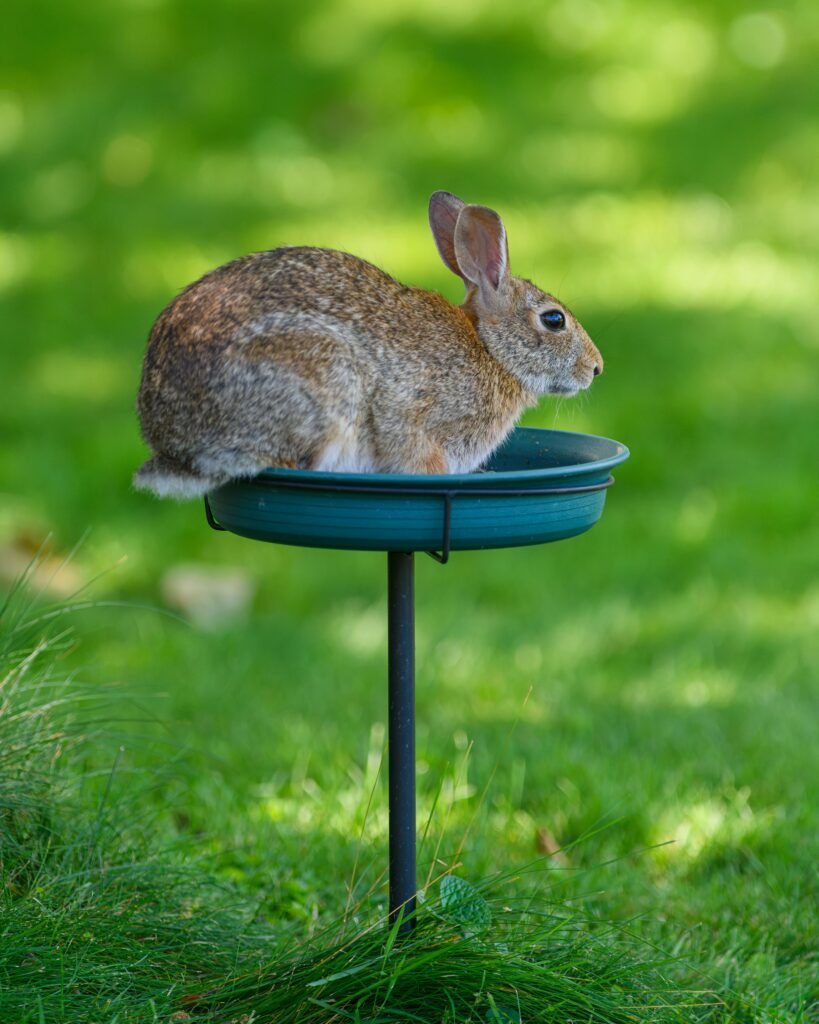
For a wild rabbit, food is only half the story. Water matters just as much, and they are clever about finding it. Most of their water comes from the plants they eat. Fresh, leafy greens and morning dew are packed with moisture.
They also drink from streams, puddles, and rain-soaked grass when they can. In winter, some rabbits even eat snow to stay hydrated. This is why they favor moist plants over dry ones. Getting water from food saves grazing time and keeps them safer from predators.
Should You Feed Wild Rabbits?
It is tempting to leave out food for a wild rabbit you see often. But wildlife experts usually advise against it.
Wild rabbits are excellent foragers and rarely need our help. Regular feeding can make them dependent and draw predators to one spot.
Human food is the bigger danger. Bread, cereal, and any processed or sugary food can seriously harm their delicate gut.
If you truly want to help, do it naturally. Leave part of your lawn uncut, plant clover or native greens, skip pesticides, and offer fresh water in dry spells.
Frequently Asked Questions
Do wild rabbits really eat carrots?
Rarely. Carrots are a root vegetable, not part of their natural diet, and they are high in sugar. Wild rabbits prefer the leafy carrot tops.
What do wild rabbits eat in winter?
Mostly woody plants. They switch to tree bark, twigs, buds, dried grass, and evergreen needles when green food disappears.
Do wild rabbits eat fruit?
Sometimes. They nibble berries or fallen fruit near bushes, but only occasionally, since too much sugar can upset their stomach.
Can wild rabbits eat my garden vegetables?
Yes, and they often will. Soft greens like lettuce and beans are easy targets, but these are a bonus, not their true diet.
How often do wild rabbits eat?
Almost constantly during safe hours. They graze in small amounts many times a day, mainly at dawn and dusk.
Is it safe to feed wild rabbits bread or pellets?
No. Bread and processed foods can harm their gut, and steady feeding makes them dependent. Natural forage and water are far better.
In conclusion
So, what do rabbits consume in the wild? Grass, first and foremost, along with clover, dandelion, and other soft leafy plants. Their food fluctuates with the seasons. Fresh greens rule spring and summer, while bark and twigs carry them through winter.
Everything ties back to one fundamental reality. A rabbit’s teeth and gut are built for a regular, fibery, plant-based diet. The easiest way to respect that is to let wild rabbits forage as they normally would. Give them safe green spaces and clean water, and forgo the human delicacies.
Pingback: Can Rabbits See In the Dark? - Eachpetscare