
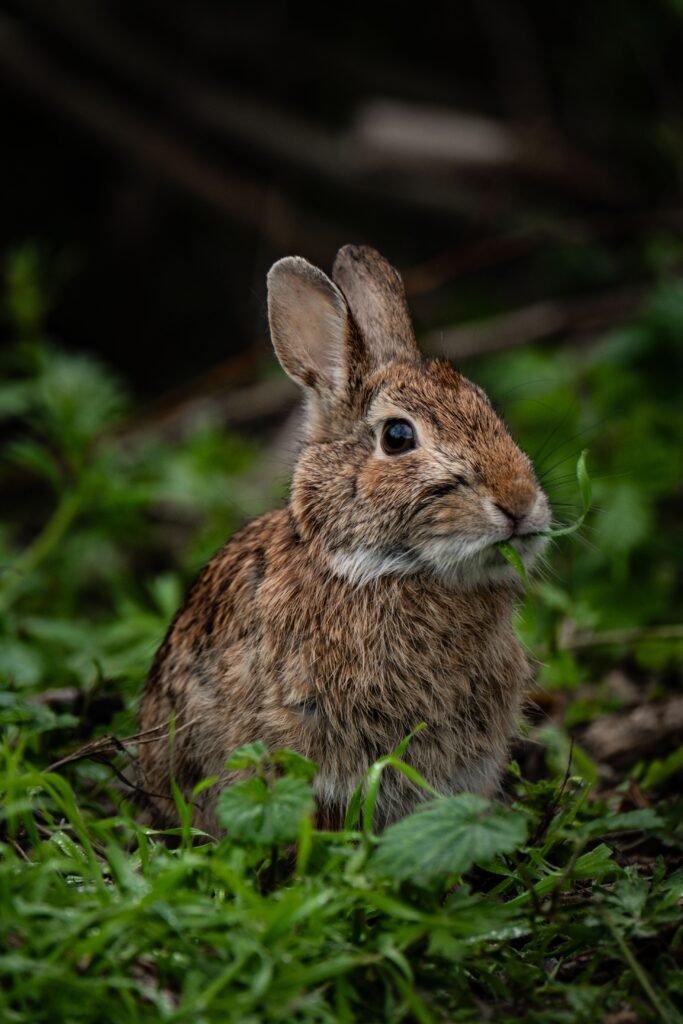
A curious little nose is probably already twitching at your feet if you cut a few basil leaves for supper. Most rabbits can’t resist basil’s potent scent. However, it’s wise to pause before sharing. Because of their very sensitive stomachs, rabbits can have serious problems if they eat the wrong diet.
Can rabbits consume basil, then? Yes, they can, and it is actually beneficial. It all comes down to how much, how often, and which parts you provide. When fed properly, basil is a nutritious herb. Even a safe green can upset a delicate tummy if you feed it carelessly.
This manual is a comprehensive one-stop shop. It covers the benefits, all plant parts, common varieties, portion sizes, safe serving, and warning signs to watch for.
Why Rabbits Have Such Sensitive Stomachs
Understanding how a rabbit’s digestive system works helps you feed basil properly. It differs greatly from a dog’s or a cat’s.
Hindgut fermentation occurs in rabbits.
They depend on the cecum, a unique pouch where beneficial bacteria convert fiber into nutrition. These bacteria in the stomach are particular and change slowly. They can easily become unbalanced by an unexpected new food or too much of it.
Hay matters because of this too. Both the germs and everything are kept in motion by the steady fiber. The basil rules make sense once you understand this. Hay first, small doses, and gradual changes all help protect that sensitive system.
Where Basil Fits in a Rabbit’s Diet:
If a rabbit’s diet is a pyramid, basil is a tiny treat near the top. The top.
Hay, tons of it, makes up the base. The House Rabbit Society states that about 80% of a rabbit’s daily diet should consist of grass hay.
Fresh leafy greens, including herbs like basil, come next.
A standard recommendation is one packed cup of mixed greens for every two pounds of body weight per day. Fruit is an uncommon treat, and pellets make up a modest portion. Basil and several other plants share space in the green layer.
So basil is never a meal on its own. Hay always does the heavy lifting, yet it’s just one flavor in a changing salad.
Is Basil Safe for Rabbits?
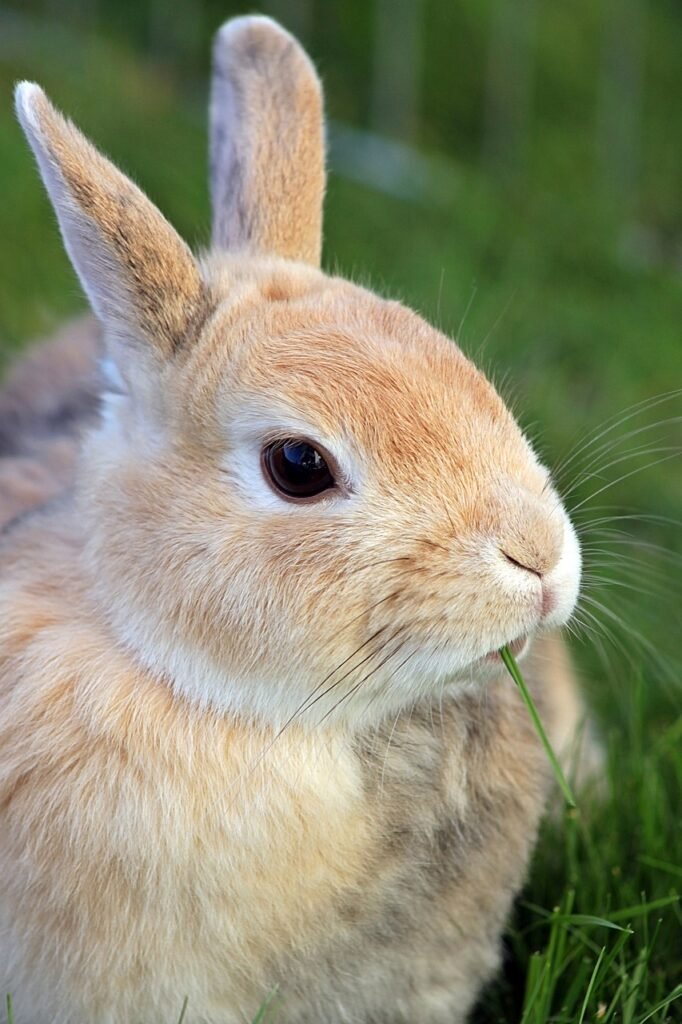
Every owner starts by asking a straightforward question. Will basil harm my bunny? No, basil is safe. Basil is a safe herb for rabbits and falls into the safe-greens category. Parsley, cilantro, dill, mint, and oregano are other healthy herbs to alternate with it.
However, safe does not equate to limitless. Because rabbits are small, even a nutritious meal can be problematic in excess.
The objective is straightforward: yes to basil, but in moderation. The following focuses on achieving that balance.
The Health Benefits of Basil
Basil is more than just a fragrant herb. Your rabbit’s salad gains real value from it. Along with vitamins A and C, it is high in vitamin K. These vitamins support a strong immune system, healthy blood clotting, and good vision.
It has fewer calories and less sugar than sweet fruit treats. It is therefore a wise choice for maintaining your rabbit’s weight.
It contains antioxidants that help shield the body’s cells from normal wear and tear.
For rabbits who don’t drink much, its high water content is advantageous. There’s also a mental benefit. Your rabbit can explore new fragrances and textures, such as basil, which keeps mealtime engaging.
A Word on Calcium and Bladder Health
One nutrient worth noting in basil is calcium. At about 175 milligrams per 100 grams, basil has a respectable quantity. Rabbits peculiarly handle calcium. They absorb most of what they eat, while the excess is eliminated through urine.
Overconsuming calcium can eventually lead to bladder stones or sludge. This is the main reason not to use basil as your only vegetable every day. The good news is that basil is low in oxalates, another substance linked to stones. Variety is the easy solution, so pair basil with greens lower in calcium and switch them out often.
Which Parts of the Basil Plant Can Rabbits Eat?
Knowing what else is safe is helpful because basil is more than just leaves. Each part of the plant has its own rules, but most of it is safe. This compares the flowers, leaves, stems, and stalks.
Basil Leaves
The best and simplest part to feed is the leaves. They contain the majority of the nutrients found in basil and are soft and easy to chew. Basil leaves contain antioxidants, calcium, vitamin K, and vitamin A.
However, depending on your rabbit’s size, give a tiny amount at a time.
Start here if your rabbit has never eaten basil. The ideal first taste is one cleaned leaf.
Most rabbits take to the leaves right away. They are exactly what a novice needs: a smooth texture that is easy on the stomach.
Stems Basil.
Soft green stems are acceptable as long as your rabbit likes the leaves. Select the tender sections and keep the quantity small. Try modest.
Avoid thick or woody stems because they are harder to digest.
Soft stems are much gentler on the stomach when chopped into smaller pieces. Treat stems as a bonus rather than the main attraction. The larger share of what you offer should always be the leaves.
Basil Stalks
Take extra care with stalks because they are the thicker, older version of stems. Small amounts of young, thin stalks are okay. Mature, thick stalks are difficult for rabbits to digest.
A straightforward guideline works well: exclude anything that looks thick and woody. Focus on the leafy tips and softer upper portions. This makes them easy to chew and digest.
Basil Flowers
Of all the parts, flowers require the greatest caution, but they are safe. Too many can disrupt a rabbit’s digestive system.
Give flowers occasionally, but never daily. Don’t worry if a stray flower gets chewed in the garden.
Don’t add flowers to the bowl with everything else. A small amount now and then is enough.
Fresh vs. Dried Basil
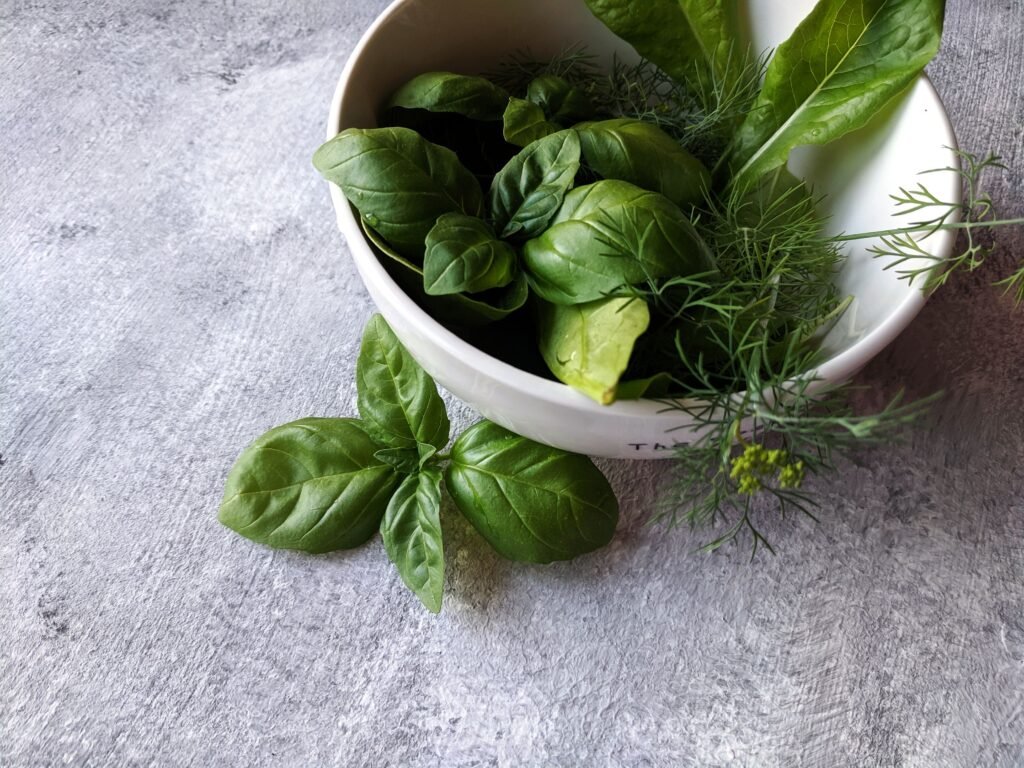
Fresh always wins over dried. Rabbits are far more tolerant of fresh basil. Fresh leaves help with hydration because they retain water. Additionally, they contain more nutrients. Fresh leaves help with hydration because they retain water.
Avoid dried basil. Drying concentrates the essential oils and eliminates moisture, which is unnecessary for a rabbit’s delicate digestive system.
Additionally, cooked basil and basil products are prohibited.
Avoid pesto because it contains a lot of salt, oil, and garlic, all of which are bad for rabbits. Basil is safe in small amounts and in variety. Your rabbit’s size mostly determines the appropriate amount. With that in mind,
how much basil, and how often?
Basil is safe in small amounts and in variety. Your rabbit’s size mostly determines the right amount. Most rabbits like a few little leaves at a time. A larger rabbit can manage a few more leaves, while a smaller rabbit may get only one or two.
Start with half a leaf for your first taste. Basil is included in, not added to, your rabbit’s daily allotment of greens. For frequency, a few times per week is a common and safe option.
You can switch it up in your everyday salad, but don’t always use basil as the only green. That rule comes down to two reasons. Basil’s calcium is best balanced with lower-calcium greens, and one green all the time can upset the gut’s equilibrium.
How to Introduce Basil Safely, Step by Step
Any new food takes time for a rabbit. The most common error owners make is rushing.
Take these actions:
- Use running water to wash the basil thoroughly.
- Offer just one small leaf on its own.
- Avoid adding more new foods on the same day.
- Watch your rabbit’s excrement for a full day.
- Offer a little more gradually if everything is okay.
- Over the course of two to three weeks, build up to the entire piece. This moderate pace gives gut bacteria time to adapt to the new diet.
Healthy feces are your green light. Stop the basil and return to ordinary hay and water if you notice diarrhea or soft stools. How to Interpret the
How to Read Your Rabbit’s Droppings
The best window into a rabbit’s digestive system is its droppings. If you learn to read them, you can spot problems early. Rabbits have two types of droppings. A healthy gut shows up as spherical, dry, uniformly sized fecal pellets.
Rabbits directly consume cecotropes, which are soft, nutrient-rich droppings. You usually see these infrequently. Once you know the warning signs, you can spot them easily. Watery stool, very little droppings, or soft, mushy droppings adhered to the fur all indicate a problem.
After basil, stop using the plant if you observe those changes. A rabbit that stops eating, has watery diarrhea, or has no droppings needs to see a veterinarian right away.
Basil comes in wide varieties, and not all are suitable for rabbits. The potency of their essential oils makes a difference. To narrow the
Types of Basil, and Which Are Best
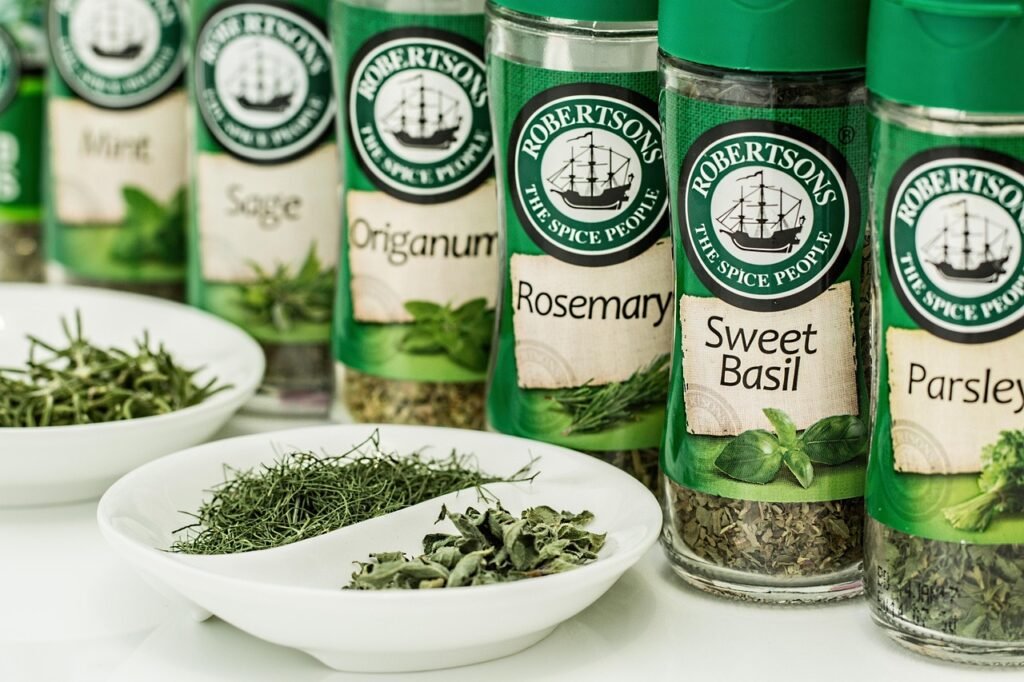
Basil comes in wide varieties, and not all are suitable for rabbits; the potency of their essential oils matters.
Stronger varieties require less, while milder varieties are the safest. This compares the common varieties.
Sweet Basil (the Best Choice)
Sweet basil is the most popular and safest option for rabbits. Its flavor and oil profile are both subtle.
Most healthy adult rabbits do well with two or three fresh, clean leaves a few times a week.
Make it this type if you only have one at home. Fussy eaters will also find it easy to accept. The faint fragrance and delicate foliage rarely turn off rabbits.
Purple Basil
Purple basil is a safe choice and functions similarly to sweet basil. Anthocyanins, naturally occurring antioxidants, give it its rich color.
Serve it in the same tiny quantities as sweet basil. When you try a new kind for the first time, watch it closely.
Holy, Lemon, and Thai Basil
These more potent types are stronger, but not harmful. Sweet basil contains fewer essential oils than holy, lemon, and Thai basil.
As a result, serve them less frequently and in smaller portions. While some rabbits avoid the stronger aroma of lemon or anise, others adore it. Introduce them gradually, and watch for any behavioral or droppings changes.
How to Serve and Store Basil.
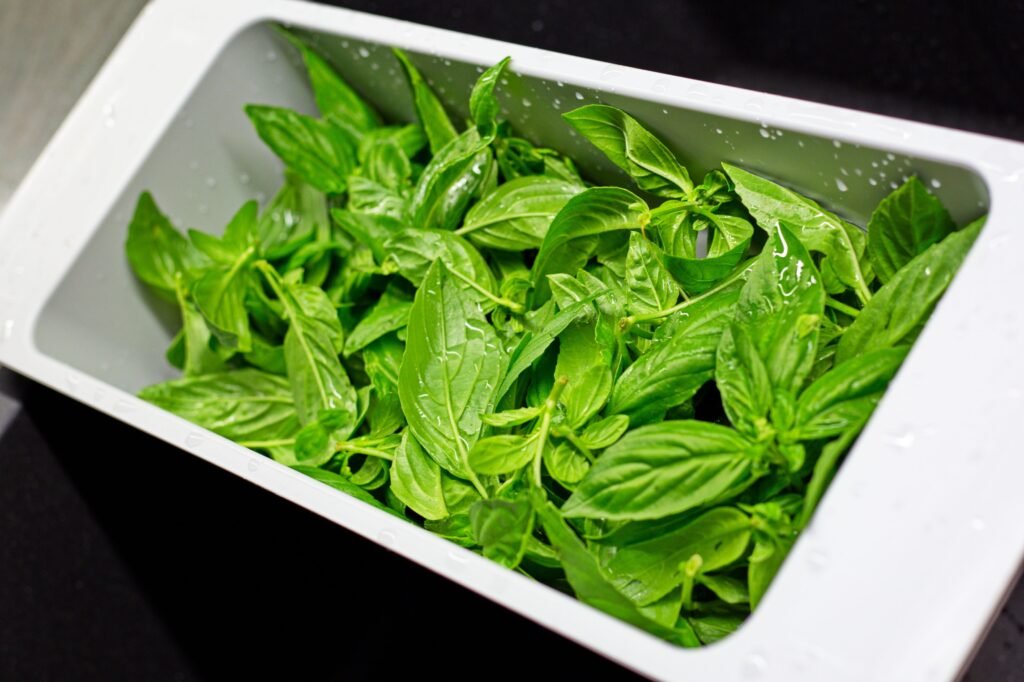
It’s easy to serve well. Always rinse the leaves under running water first. This removes any dirt and pesticide residue that can cause gastrointestinal distress.
After patting it dry, tear or chop the basil into small pieces. Incorporating it into your rabbit’s regular salad encourages a finicky eater to try it.
You can keep fresh basil in the refrigerator loosely wrapped or as cut flowers or stems in a small amount of water. Throw away any basil that becomes slimy or dark, since rotten greens can make rabbits sick.
The safest option is to grow your own. You can have fresh, pesticide-free leaves whenever you want from a pot on your windowsill.
Which Rabbits Should Avoid or Limit Basil
Most rabbits do well with basil, but some need special attention. Knowing if yours is one of them is worthwhile.
Don’t give basil to bunnies younger than 12 weeks. Greens can induce serious diarrhea, and their digestive systems are still maturing.
Restrict it in rabbits with a history of kidney stones or bladder sludge. Ask your veterinarian first because the calcium in basil may exacerbate those issues.
Slow, small portions are also necessary for rabbits with extremely sensitive stomachs. When in doubt, start small and follow your veterinarian’s advice.
Do Wild Rabbits Eat Basil?
If they find basil, wild rabbits will gladly nibble on it. As they travel, they instinctively forage and sample a variety of vegetation.
Their safety net is that inherent diversity.
A small amount of basil doesn’t really matter because a wild rabbit goes through dozens of plants per day.
Because we feed them measured meals, pet rabbits are different. Because of this, portion control matters more for your rabbit than it does in the wild.
Signs Your Rabbit Ate Too Much Basil
Even a safe plant can be problematic in excess. Knowing the warning signs helps you act early. Bloating, gas, soft stool, and diarrhea can result from consuming too much basil.
If you notice these, switch back to hay and water instead of basil.
GI stasis is the most dangerous risk. This potentially fatal situation occurs when the intestines slow down or stop.
This potentially fatal condition occurs when the intestines slow down or stop. Motionless and bent over. These symptoms indicate that you should contact your veterinarian immediately rather than waiting.
Safe Herbs to Rotate, and Foods to Never Feed
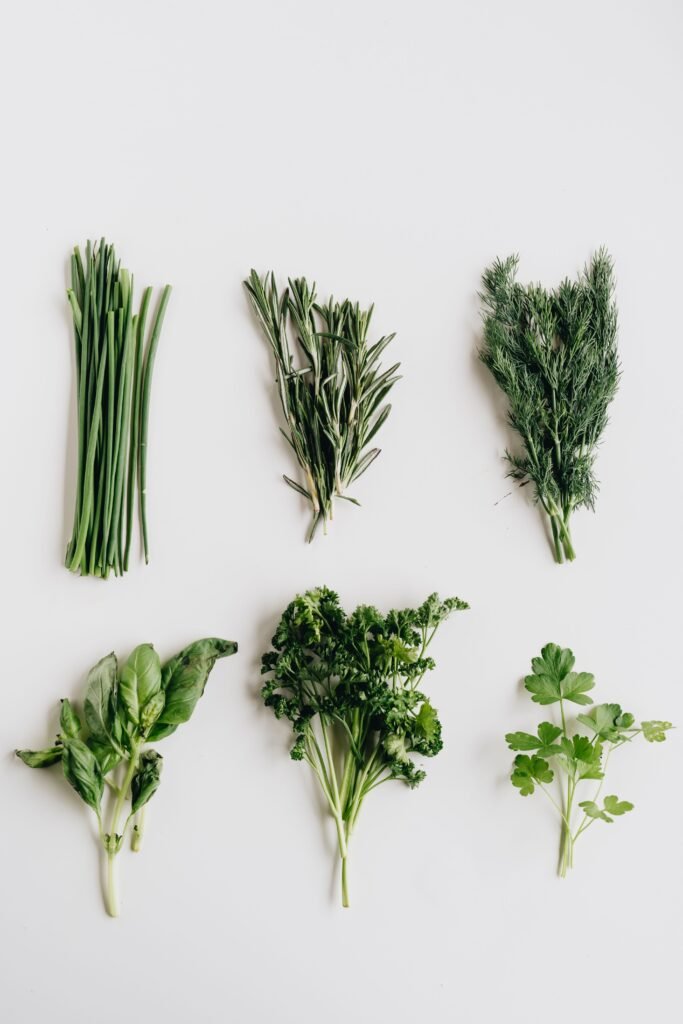
The key to a nutritious rabbit salad is variety. Many other safe greens work well with basil.
Ideal greens and herbs to alternate with basil:
- Dill, mint, and cilantro.
- Use parsley in smaller amounts because it contains calcium.
- Leaf lettuce, such as romaine. Use smaller amounts of parsley.
because it contains calcium. Be sure your rabbit never comes into contact with these:
- Rhubarb, chocolate, and avocado.
- Leeks, onion, garlic, and chives.
- Iceberg lettuce and any junk food high in sugar.
Consult your veterinarian first if you are unsure about a new plant. Prevention is never as simple as a cure.
Frequently Asked Questions
Can baby rabbits eat basil?
Not quite yet. Rabbits younger than 12 weeks should avoid greens and herbs while their digestive systems mature. After that, introduce basil gradually.
Can rabbits eat basil and parsley together?
In moderation, both are safe. Since both sit on the upper side for calcium, keep the overall portion small.
Can rabbits eat basil pesto?
No, the ingredients in pesto- garlic, oil, salt, and cheese are all bad for rabbits. Only fresh, unadulterated basil is safe.
How much basil can a 4-pound rabbit have?
A few small leaves in the daily greens are enough. The salad should include only a small amount of basil, not most of it.
How often should I feed my rabbit basil?
It’s safe to do this a few times a week. You can use it in a daily salad, but it shouldn’t be the only green every day. Wash any basil thoroughly before your rabbit eats it.
What if my rabbit eats too much basil?
Take it out and put it back in the water and hay. Call your veterinarian if diarrhea, soft stools, or reduced appetite persist for more than a day.
conclusion
Can rabbits consume basil, then? Yes, and it’s a tasty and nutritious addition to your rabbit’s greens. The guidelines are simple to recall. Feed in small quantities, keep hay as the main meal, rotate it with other greens, and prefer fresh over dried.
When you first introduce it, take your time and observe the droppings. Stop the basil and consult your veterinarian if something doesn’t seem right. If you do that, basil will become a safe little highlight of your rabbit’s day. You gain peace of mind while your bunny receives variety and nourishment.