
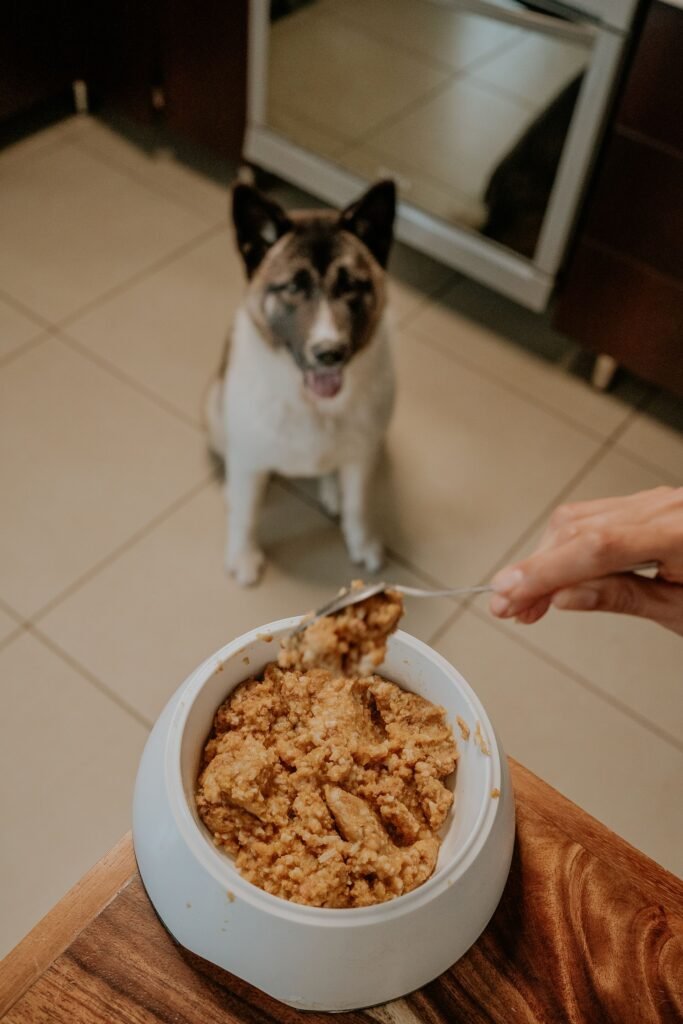
My neighbor’s Labrador, Rocky, is the reason I first looked into this. He’s a big, greying old boy who had spent years on the exact same kibble, and his owner kept asking me the same question over the fence: would adding “some real meat” actually help him, or just wreck his stomach?
It’s a question a lot of dog owners quietly wrestle with. You want to give your dog something natural and nourishing, but the wrong choice can mean weight gain, a sour tummy, or bigger trouble later.
Chicken gizzards come up again and again as an answer, and honestly, they’re a good one. They’re cheap, easy to cook, loaded with protein, and most dogs inhale them.
So, are chicken gizzards good for dogs? For most dogs, yes. The catch is in the details: how you prepare them, and how much you give. Let’s walk through all of it.
What Exactly Is a Chicken Gizzard?
A gizzard is a small, tough little muscle in a chicken’s stomach. Since birds don’t have teeth, the gizzard does the chewing for them, grinding food down before it moves along.
Because it works hard, it ends up lean, firm, and a bit chewy. That chew is exactly what dogs seem to love about it.
And here’s the detail that trips almost everyone up. A gizzard sits in the digestive tract, so people assume it’s organ meat. It isn’t. Nutritionally it behaves like muscle meat, and that one fact changes how much you’re allowed to feed. Hold that thought, because it matters later.
What’s Actually Inside a Gizzard?
For something so cheap, a gizzard punches well above its weight. It’s mostly lean protein with barely any fat.
According to USDA data, a 100-gram cooked serving, roughly three and a half ounces, gives you about 30 grams of protein, only around 3 grams of fat, and about 150 calories. For a food that costs next to nothing, that’s a lot of muscle-building protein in a small amount.
There’s more than protein in there, too:
- B vitamins like niacin, riboflavin, and B12.
- Iron and zinc for healthy blood and immunity.
- Selenium and phosphorus for cells and bones.
- A little natural glucosamine that may help joints.
One honest caveat: gizzards are fairly high in cholesterol, the way most organ-type meats are. That won’t hurt a dog in small servings, but it’s another quiet reason not to go overboard.
Why Gizzards Are Good for Dogs?

Once Rocky started getting a spoonful of chopped gizzard on his dinner, his owner swears he perked up at mealtime. I can’t promise your dog will throw a party, but the nutrition behind that reaction is real.
Here’s what gizzards actually do for a dog:
- Lean protein to build and hold on to muscle.
- Iron and zinc that back up immunity and energy.
- A firm texture that gives teeth a mild scrub.
- A satisfying chew that keeps a bored dog busy.
- A cheap way to add real, whole meat.
For active dogs and older ones like Rocky, that protein and mineral boost is a genuinely useful supplement. Just keep it as an add-on, never the whole meal.
Gizzards, Hearts, and Liver Aren’t the Same
People love to lump gizzards in with chicken hearts and livers, but the three play very different roles. Each brings something to the table, and each has its own limit.
Sorting them out is what lets you feed the mix safely.
Chicken Hearts
Hearts, like gizzards, are really muscle meat, so you can feed them pretty freely. They’re rich in protein and gentle on the stomach.
Their claim to fame is taurine, an amino acid your dog needs for a healthy heart and good eyesight. Hearts also carry CoQ10, an antioxidant that looks after the heart and cells.
Toss hearts and gizzards together and you’ve got a well-rounded, protein-packed topper. There’s a reason it’s such a popular combo.
Chicken Liver
Liver is the one to go easy on. It’s a true organ, and it’s stunningly nutrient-dense, brimming with vitamin A, B12, iron, and copper.
That richness is exactly the problem. Feed too much liver too often, and you can tip into vitamin A toxicity, which shows up as bone problems, stiffness, and stomach upset.
So keep liver small, no more than about 5% of the diet, or a little piece once or twice a week. With liver, a tiny bit does the job.
Putting Them Together
The easy way to think about it: gizzards and hearts are your everyday muscle-meat toppers, and liver is the occasional extra. Lean on the first two, and sprinkle in the third.
That mix covers a wide spread of nutrients without overloading on any one of them. Whatever you combine, keep the total modest so it doesn’t unbalance the main diet.
How Much Should You Feed?
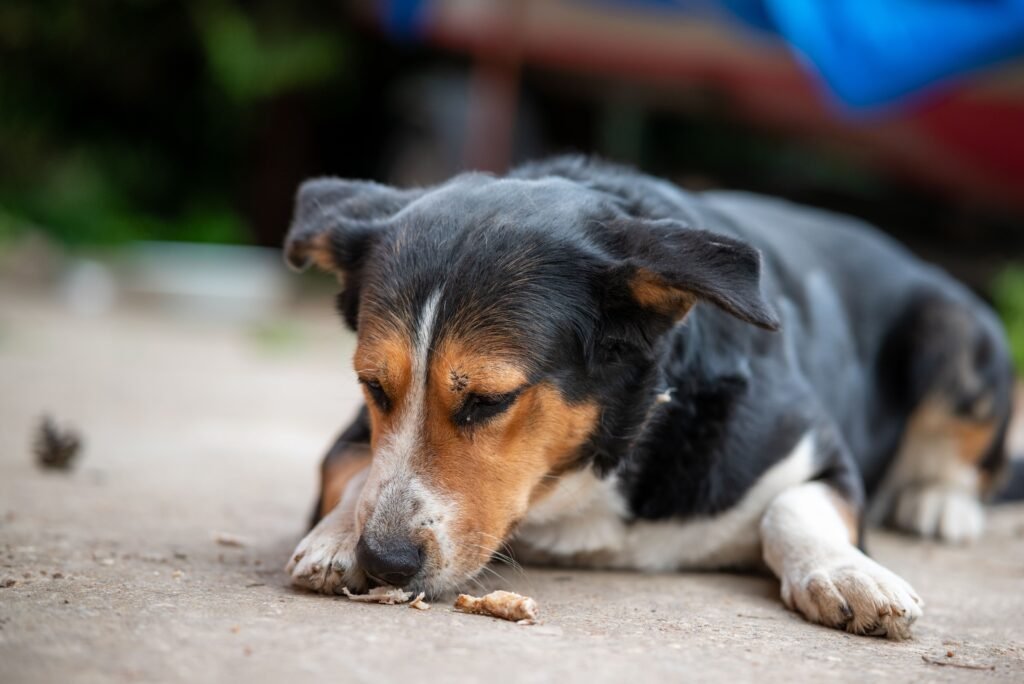
This is where that muscle-versus-organ point finally pays off. Because gizzards count as muscle meat, you’ve got more room with them than you do with liver.
The rule of thumb for any extra is simple: keep treats and toppers, gizzards included, under about 10% of your dog’s daily calories. The other 90% should stay their balanced main food, which is doing the real nutritional work.
Size obviously matters. A little terrier might get a couple of small pieces, while a big Lab like Rocky can handle a small handful.
Whatever the amount, ease into it. Rocky’s owner learned that the fun way, giving him a bit too much on day one and spending the next morning cleaning up the result. Start small, add gizzards over a few days, and watch how your dog’s stomach reacts before it becomes a habit.
Raw or Cooked?
You can serve gizzards raw or cooked, and both camps have their believers. It really comes down to safety versus squeezing out every last nutrient. Here’s how the two stack up, and how to do each one right.
Raw Gizzards
Raw feeders like gizzards because no heat means nothing gets broken down. The food stays as close to natural as it gets.
The downside is bacteria. Raw chicken can carry Salmonella or E. coli, which can make your dog sick and can spread to you while you’re handling it.
If you go raw, buy from a source you trust, keep everything spotless, and cut the gizzards into safe, bite-sized pieces. Bring them in slowly, because a pile of new food all at once is a fast track to an upset gut.
Cooked Gizzards, the Safer Bet
For most people, boiling is the simplest and safest route. Heat kills off the bacteria and softens that rubbery chew. To cook them, cover the gizzards with water, bring it to a boil, then let them simmer for about 20 to 30 minutes until there’s no pink left inside. Cool them fully, then chop them to a size that suits your dog.
I usually boil a big batch, cut it up, and freeze it in portions so there’s always some ready to go. Just keep it plain. No salt, no garlic, no onion, no oil or butter. Garlic and onion are toxic to dogs, and added fat is an easy way to upset their stomach.
Risks Worth Keeping in Mind
Gizzards suit most dogs, but a handful of things deserve a little attention. The good news is that all of them are easy to sidestep.
Keep an eye on these:
- Choking: always cut gizzards down to a safe size.
- Bacteria: cook them, or handle raw ones with care.
- Too much: overfeeding brings loose stools and imbalance.
- Seasonings: salt, garlic, and onion are off-limits.
- Allergies: skip them if your dog reacts to chicken.
If vomiting, diarrhea, or itching turns up after a gizzard meal, stop and check with your vet. Your dog’s own reaction beats any general rule out there.
Gizzards and Dogs With Kidney Disease

Here’s where I’d pump the brakes. Dogs with kidney disease are usually kept on a carefully controlled diet that’s lower in protein and phosphorus.
Gizzards happen to be high in both. That combination can put extra load on kidneys that are already having a hard time. It doesn’t automatically rule gizzards out, but it does mean this isn’t a call to make on your own.
Talk to your vet first, every time. If they say yes, keep the portions tiny, cook them plain, and watch your dog closely afterward. The same goes for a dog with pancreatitis, a delicate stomach, or a weight problem. Run new foods past the vet before they hit the bowl.
What If Your Dog Is Allergic to Chicken?
Chicken allergies are worth understanding, even though true food allergies are pretty rare in dogs. Only about 1 to 2 percent of dogs have one at all.
But among the dogs that do, chicken shows up a lot. A 2016 review in BMC Veterinary Research pegged chicken as the cause of roughly 15% of canine food allergies, which puts it third, right behind beef and dairy. That surprises people, since chicken feels like the gentlest food you could offer.
The signs usually look like itchy skin, repeat ear infections, or a grumbly stomach, and they tend to hang around all year instead of coming and going with the seasons.
If chicken is the problem for your dog, skip gizzards altogether and ask your vet about other proteins, like turkey, fish, or lamb.
FAQ’s
How much chicken gizzard can I give my dog?
Keep it under about 10% of your dog’s daily calories. For most dogs, a small handful a few times a week is plenty.
Can puppies eat chicken gizzards?
Yes, but slowly. Cook them, cut them small, start with a tiny piece, and watch for any tummy trouble.
Can I give my dog gizzards every day?
It’s better to rotate them a few times a week. Mixing up their food keeps the overall diet balanced.
Do I have to cook gizzards first?
Cooking is the safer choice, especially if you’re new to this. Boiling works well, and never add salt, oil, or seasonings.
Are gizzards good for senior dogs?
Often, yes. The lean protein helps aging muscles, and soft, cooked pieces are easy to chew. Rocky is living proof.
My dog swallowed a whole gizzard. Should I worry?
Watch for choking or an upset stomach, and cut them smaller next time. Call your vet if anything seems off.
Summary:
So, are chicken gizzards good for dogs? For most of them, absolutely. They’re a lean, cheap, protein-rich food that makes a brilliant topper as long as you keep the portions sensible.
The rules are refreshingly short. Cook them plain, cut them to size, keep them under about 10% of the diet, and check with your vet if your dog has kidney disease or a chicken allergy.
And that muscle-meat detail is the one to carry with you. Gizzards are muscle, not organ, which is why you can feed them regularly, while liver stays an occasional treat. Rocky, for the record, is thriving on his nightly spoonful, and his owner has finally stopped asking me over the fence.