
There is something that feels off when your cat keeps sneezing again and again. It is not just annoying; it is a sign that something inside your cat’s body is asking for attention.
Most of the time, sneezing comes from irritation in the nasal passage. It could be dust, a smell, or the start of an infection building quietly.
If you ignore it for too long, a small problem can turn into a bigger one. If your cat is sneezing a lot and you notice discharge from the nose or eyes along with a lack of energy and loss of appetite, it may be something to worry about.
The good news is that most causes are treatable. Once you know what is triggering it, you can take the right step quickly.
This guide covers every angle of why my cat is sneezing so much, from simple irritants to infections, so you know exactly what to look for and when to call the vet.
What Causes Cats to Sneeze a Lot?
One of the main causes of sneezing is infection. Inhaled irritants or allergens are also common causes of sneezing in cats. Beyond that, dust from litter, household sprays, or even a new cleaning product can irritate the nasal lining and trigger repeated sneezing.
The tricky part is that many of these causes look the same at first. Watching your cat closely for patterns like when it happens, how often, and what else shows up alongside the sneezing can help you and your vet figure out the real reason faster.
Why Does My Cat Keep Sneezing?
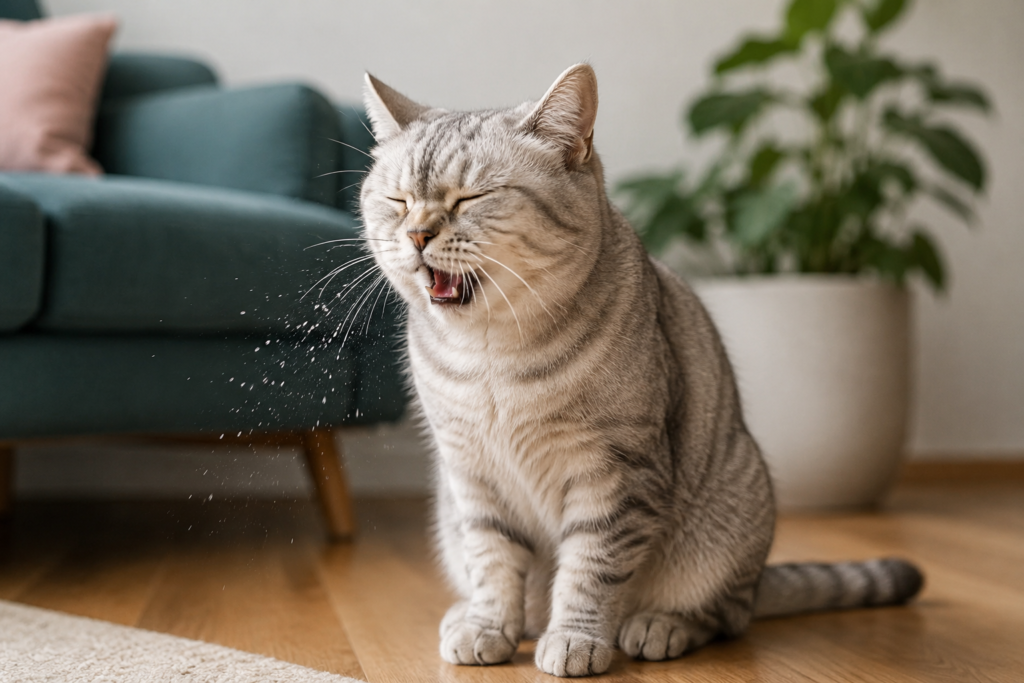
If your cat sneezes multiple times throughout the day, it is usually a sign that something is consistently irritating the nasal passage. It could be a light allergen in the air, or it could be the early stage of a viral infection.
Cats do not just sneeze for fun. When it keeps coming back, the body is trying to push something out that does not belong there.
Why Is My Cat Sneezing So Much Suddenly?
Sudden sneezing usually means something new has entered your cat’s environment. A new air freshener, a changed litter brand, or even a candle can trigger it out of nowhere.
If there have been any recent changes in your cat’s life, like a new pet, a new baby, or construction in the home, that can be a clue to what is causing the sneezing.
Why Is My New Cat Sneezing So Much?
New cats, especially those from shelters, often carry upper respiratory infections. These infections are more common in young cats coming from animal shelters, and many can be prevented with early and complete vaccinations.
Give a new cat a few days to settle. But if the sneezing is frequent or comes with discharge, a vet visit early on is the smart move.
Why Are My Cats Sneezing So Much?
When multiple cats in the home start sneezing around the same time, it is almost always a contagious infection spreading between them. Upper respiratory infections are highly contagious and often spread among cats living in close quarters.
Keep sneezing cats separated from healthy ones as much as possible. Wash your hands between handling each cat until the vet confirms what is going on.
Cat Upper Respiratory Infection Symptoms
An upper respiratory infection, or URI, is one of the most common reasons behind frequent sneezing in cats. The most prevalent infection is feline herpesvirus, which causes primarily upper respiratory signs, including sneezing and discharge from the nose and eyes.
The symptoms often look like a human cold, but can get worse if left untreated. Watching for a combination of signs is more useful than focusing on just one.
Why Is My Cat Sneezing and Congested?
When a cat is congested, along with sneezing, the nasal passages are inflamed and partially blocked. This often happens during a viral infection, where the lining of the nose swells up.
You might notice your cat breathing with a slightly open mouth or making a stuffy sound while resting. That level of congestion means the infection has settled in and needs attention.
Why Is My Cat Sneezing and Wheezing?
Sneezing combined with wheezing points to something deeper than just nasal irritation. It suggests the airways further down may also be involved, which can happen with more advanced infections or even asthma.
If your cat is making a whistling or labored sound when breathing alongside sneezing, do not wait on that. A vet should check it sooner rather than later.
Cat Sneezing and Runny Nose
A runny nose with sneezing is the classic sign of a respiratory infection in cats. Clear discharge usually points to a viral cause, while yellow or green discharge suggests a bacterial infection has joined in.
If you see yellow or green discharge from your sneezing cat’s nose or eyes, this is a sign of a bacterial infection. Treatment with antibiotics can dramatically reduce sneezing and other symptoms.
Cat Sneezing and Watery Eyes
Why Is My Cat Sneezing So Much and having watery eyes?
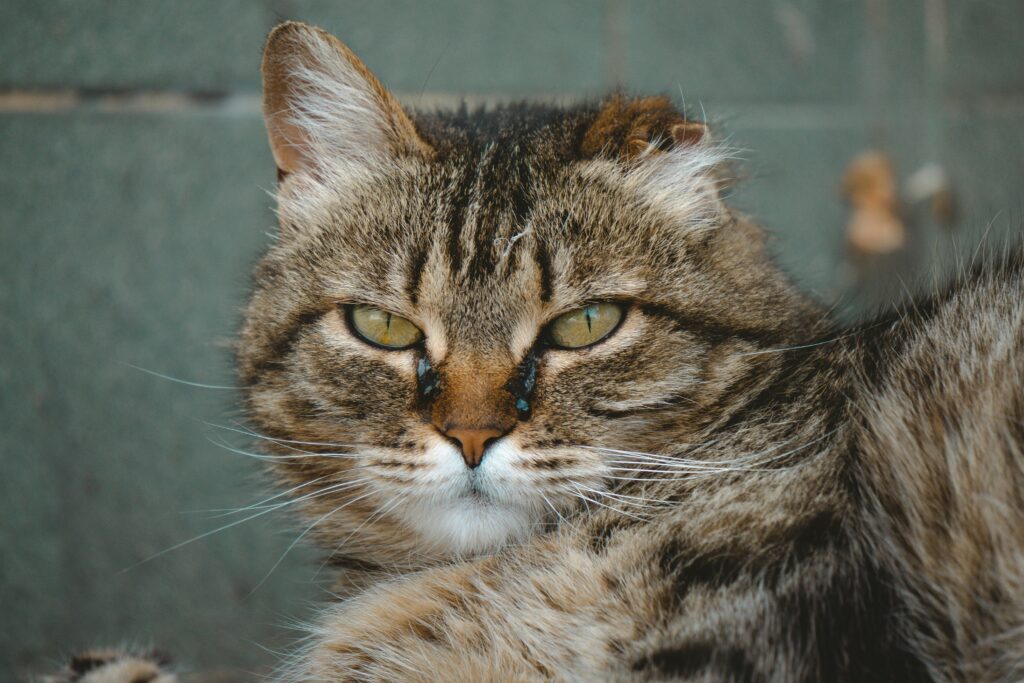
Watery eyes alongside sneezing often signal feline herpesvirus or chlamydia. Chlamydia in cats often produces an eye infection known as conjunctivitis alongside respiratory symptoms.
It can look mild at first, like the cat just got something in its eye. But when it keeps coming back with sneezing, it is part of a bigger picture that needs a proper diagnosis.
Why Is My Cat Sniffling and Sneezing So Much?
Constant sniffling combined with sneezing usually means the nasal passages are irritated on an ongoing basis. It could be allergies, a low-grade infection, or even a small foreign particle stuck inside the nose.
Cats that sniffle and sneeze daily without other severe symptoms are often dealing with a chronic irritant in their environment. Changing the litter, switching to fragrance-free products, and improving air flow at home can sometimes make a big difference.
Why Is My Cat Sneezing So Much and Not Eating?
When sneezing comes with a loss of appetite, it is a red flag. Cats rely heavily on their sense of smell to want food, and a blocked or inflamed nose makes everything smell like nothing.
This is especially important if your cat has stopped eating, as this can quickly become a serious concern that requires veterinary care. Cats that do not eat for more than a day or two can develop liver complications, so this needs to be addressed quickly.
Cat Sneezing and Not Eating
A cat that is both sneezing and refusing wet food is likely too congested to smell or taste properly. The appetite usually comes back once the nasal symptoms clear up.
Try warming the food slightly to release more smell. If the cat still refuses to eat after a day, a vet visit is needed.
Why Is My Cat Coughing and Sneezing So Much?
Coughing alongside sneezing points to postnasal drip, where mucus drips down from the nasal passage into the throat. A cat sneezing and coughing typically means it is primarily an upper respiratory process with postnasal drip irritating the throat.
This combination is usually still manageable but should not be left untreated. If your cat is also gagging, the irritation may have reached the upper airway and become more uncomfortable.
Cat Sneezing a Lot
If your cat is sneezing more than five to ten times per day consistently, something is clearly ongoing. Occasional sneezing is normal, but heavy, frequent sneezing over multiple days is not.
Keep a simple mental note of when it started, how often it happens, and any other symptoms. That information will be useful when you talk to your vet.
Why Is My Cat Sneezing So Much Lately?
If the sneezing started recently without any clear trigger, think about what changed at home. A seasonal shift, a new product, or even dustier air as weather changes can all start a sneezing pattern that feels sudden but has a cause.
Cats with cats care needs that go unnoticed can also build up symptoms slowly until they become noticeable. Paying attention to small changes earlier can save your cat from a worsening condition.
Why Is My Cat Sneezing So Much in a Row?
Sneezing in rapid bursts, one after another, usually means something is stuck or deeply irritating the nasal lining. It is the body trying hard to clear something out fast.
If a burst of sneezing happens once and then stops, it is usually harmless. But if it keeps repeating in long fits throughout the day, there may be a foreign particle or polyp causing the problem.
Why Is My Indoor Cat Sneezing So Much?
Indoor cats are exposed to things like dust, mold, air fresheners, candles, and litter dust on a daily basis. Any of these can trigger ongoing nasal irritation even without an infection.
Minimizing the use of indoor irritants like scented candles, essential oil diffusers, cigarette smoke, and harsh cleaning products around your cat can reduce sneezing significantly.
Why Is My Outdoor Cat Sneezing So Much?
Outdoor cats come into contact with pollen, mold, grass, and other cats. Any of these can carry infections or allergens that trigger sneezing.
An outdoor cat that starts sneezing more should also be checked for ear mites and other parasites, since outdoor exposure increases the risk of picking up multiple issues at once.
Why Is My Elderly Cat Sneezing So Much?
Older cats have weaker immune systems, which makes them less able to fight off infections quickly. A URI that a young cat would shake off in a week can linger much longer in a senior cat.
Viral upper respiratory infections can reactivate from stress in cats, and around 80 to 90 percent of all cats carry herpesvirus dormant in their system. In elderly cats, even low stress can trigger a flare-up. Regular vet checkups become especially important at this stage.
When Should I Worry About My Cat Sneezing
Not every sneeze is an emergency, but some signs should push you to act fast. A cat that is sneezing, not eating, has colored discharge, is twitching while awake, or is struggling to breathe needs a vet visit the same day.
If your cat’s sneezing is new, persistent, more frequent, or accompanied by other symptoms like nasal discharge or reduced appetite, contact your veterinarian. Trust your instinct as a pet owner. If something feels off beyond just a sneeze here and there,
FAQ;S
Is it normal for cats to sneeze every day?
An occasional sneeze is completely normal. But if it is happening multiple times daily for more than two days, it is worth monitoring closely and likely worth a vet call.
Can cat sneezing go away on its own?
Mild sneezing from a light irritant often clears up on its own. If it is caused by a viral infection, it may also resolve, but bacterial infections usually need antibiotics.
Can my cat’s sneezing affect my family or me?
Most feline respiratory infections are not contagious to humans. However, they can spread easily between cats in the same home, so separating a sneezing cat is a smart step.
What should I do if my cat sneezes with blood?
Bloody discharge alongside sneezing is not normal. It can point to a foreign body, a polyp, or in rare cases, something more serious. See a vet the same day if this happens.
How long does a cat upper respiratory infection last?
Most URIs in cats last around one to three weeks. Senior cats or cats with a weakened immune system may take longer, and some may need medication to recover fully.
Pingback: Why Is My Cat Breathing Heavily While Resting? - Eachpetscare