
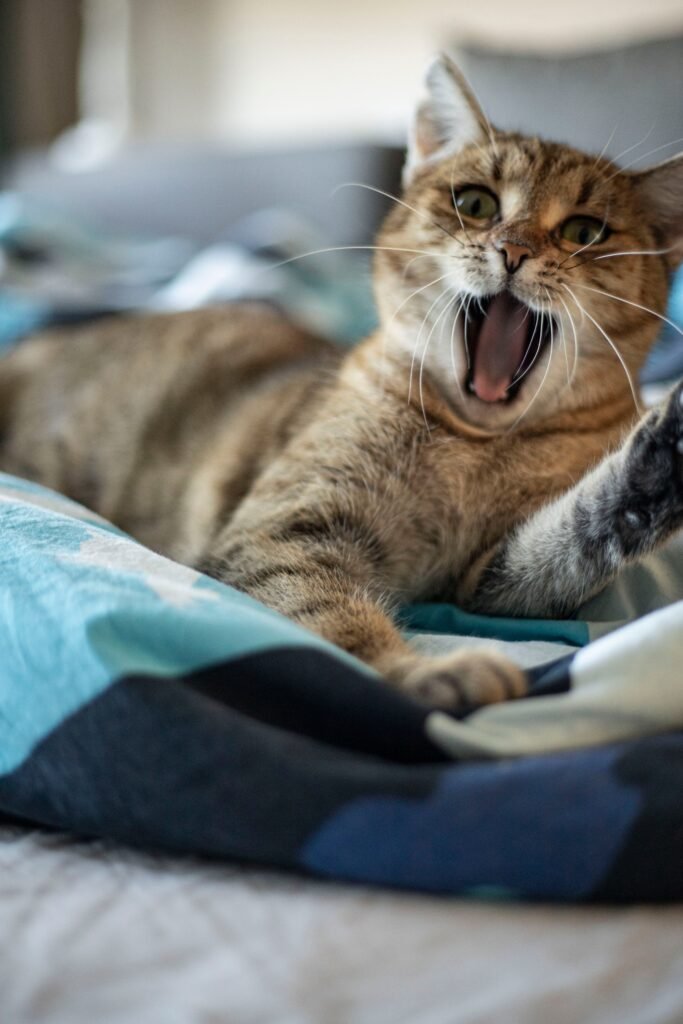
You’re sitting nearby, your cat is fully awake, and suddenly its leg, back, or skin starts moving on its own. It may look strange, even frightening, and you may wonder whether to be concerned.
Here is what you need to know. A slight twitch during a deep snooze. Is typical, but twitching while your cat is fully awake is unusual. Awake twitching can be harmless or indicative of a serious condition. Some causes, such as seizures or poisoning, are emergencies requiring immediate attention from a veterinarian.
Cat health professionals remark that the causes range from simple skin sensitivity to significant neurological disorders. Knowing the difference is key to keeping your cat safe.This tutorial covers every common reason your cat might tremble while awake. It covers both moderate and serious causes, so you’ll know what to watch for.
What Normal Twitching Looks Like
Not every twitch is a cause for concern. The cutaneous trunci is a thin, sensitive muscle layer found along cats’ backs.
This muscle can ripple or twitch on its own in response to a touch or a moment of excitement. A minor skin twitch when you pet your cat or when it sees a bird is typically nothing to worry about.
Concern arises when the twitching occurs for no apparent reason. It also matters when it occurs frequently, is intense, or is accompanied by other unusual behavior. Look for twitching along with frenetic licking, tail chasing, or excessive sensitivity to touch. These additional signs can indicate a genuine medical issue, not merely a normal response.
Awake Twitching vs. Sleep Twitching
It helps to differentiate between the two types of twitching. They are not the same thing. Twitching while sleeping is extremely common and nearly always normal. Your cat’s paws, whiskers, or tail may flicker as it dreams, but this ends the instant your cat wakes.
Watch for twitching while awake. If the movement continues after your cat gets up and moves around, it more likely indicates a problem. So, timing is your first clue. Sleep twitches come and go with dreams, whereas waking twitches have no clear cause.
Common Reasons Your Cat Twitches While Awake
Your cat may twitch while awake for many reasons. Some are minor and easy to resolve, while others are severe and urgent.
Here are the most prevalent causes, ranging from minor skin irritations to nerve difficulties. Only a veterinarian can determine which is causing your cat’s twitching.
Feline Hyperesthesia Syndrome (FHS)
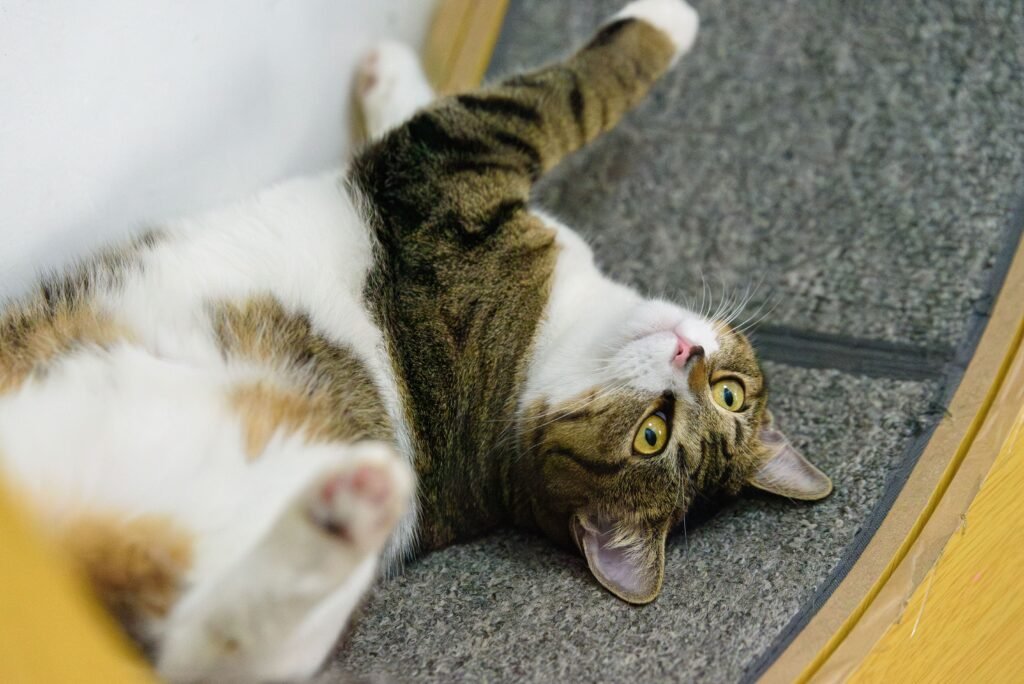
This is one of the most prevalent and perplexing causes. Veterinarians refer to it as feline hyperesthesia syndrome (FHS), while some refer to it as rolling skin sickness. Cats with FHS have extremely sensitive skin, mainly on the lower back near the tail.
The skin may appear to ripple or roll on its own.
An episode is often brief, lasting between 20 and 30 seconds. Your cat may suddenly cry out, dash around the house, chase its tail, or bite its back.
Some cats bite or scratch the region so severely that they lose fur or injure the skin. According to Cornell’s Feline Health Center, the primary goal is to rule out other illnesses that generate similar symptoms.
Because FHS is an exclusion diagnosis, the veterinarian must first rule out alternative possibilities. Stress, discomfort, skin allergies, and nerve difficulties are all potential triggers, which is why taping an episode is so beneficial.
Seizures
Cat seizures don’t always present with the full-body shaking people expect. Many cats experience focal seizures that affect only one region of their bodies.
A focal seizure may look like a twitch in the face, ear, or a single limb. It can also look like tail chasing, gnawing at a limb, or sudden, unusual behavior.
Focal seizures are more common in cats. They can start and cease abruptly, and your cat may appear normal shortly thereafter.
Any new seizure warrants a visit to the veterinarian, no matter how brief. If possible, record it, as the footage will be very helpful to your veterinarian.
Permethrin Poisoning From Dog Flea Products
This condition has its own warning because it is common and can be fatal. Many dog flea and tick products contain the bug-killing chemical permethrin.
Dogs tolerate permethrin well, but cats do not. A tiny amount can cause severe twitching, tremors, drooling, and seizures in a cat.
Cats typically become exposed in one of two ways. Either a dog product is applied to the cat by mistake, or the cat combs or cuddles a recently treated dog.
If your cat starts twitching after flea treatment, consider it an emergency. Go to the vet right away, and never use dog flea products on a cat.
Other Poisons and Medications
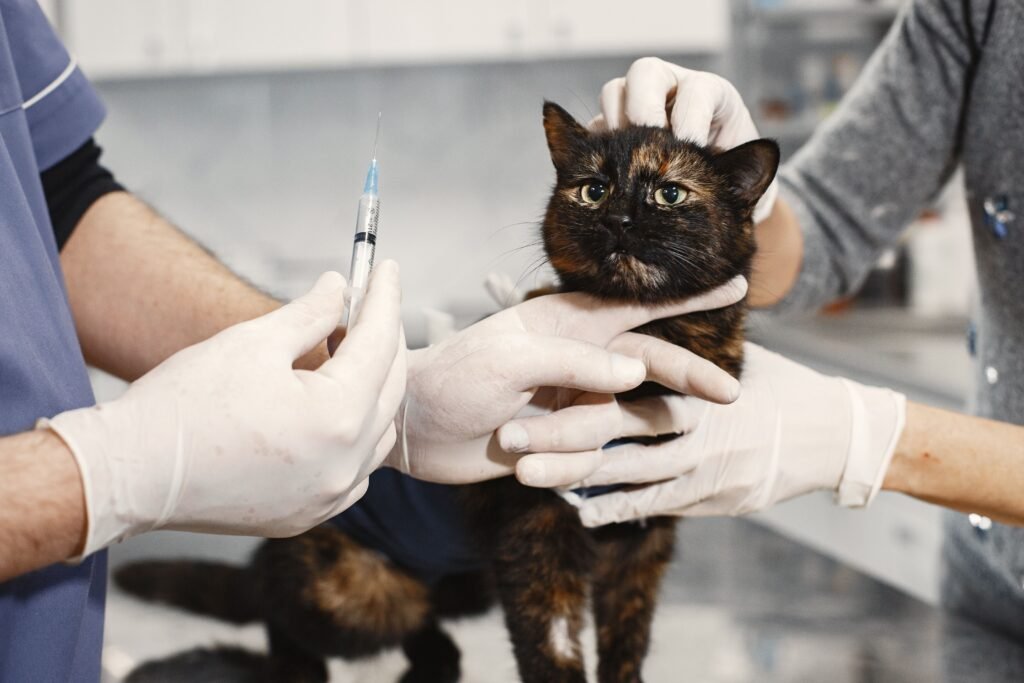
Permethrin is not the only toxin that can cause twitching. Many common household toxins and drugs can cause tremors in cats. If your cat ate something it shouldn’t have, don’t wait for it to stop. The same is true for a new twitch that begins following a medication adjustment.
You can get quick advice by calling a pet poison hotline. In the United States, call the Pet Poison Helpline at 855-764-7661 or the ASPCA Animal Poison Control Center at 888-426-4435. Please provide the merchandise or a photo if possible. And never attempt to make your cat puke or administer human medication on your own.
Fleas, Mites, and Skin Irritation
Sometimes the cause is as simple as a nerve condition. Fleas and mites can cause itchy skin in cats, causing them to twitch and ripple. Fleas frequently trouble the back end, near the tail. Ear mites typically cause problems around the head and ears, including frequent head shaking.
Inspect the base of the tail and behind the ears for flea dirt or scratching. Parasites may be causing your cat’s excessive brushing or head shaking. The good news is that this condition is extremely curable. Your veterinarian can recommend a safe flea and mites product for cats
Pain or Injury
A pained cat does not always cry out. Instead, it may twitch in one location, hide more, eat less, or flinch when touched.
Twitching can come from sore joints due to arthritis, a torn muscle, or an injury. Twitching over a sore location is very common in older cats.
A shattered bone can also produce muscle movements near the site of damage. If the twitch is always in the same spot and your cat reacts to contact there, see a veterinarian right away.
Low Blood Sugar or Low Calcium
Some twitching occurs when the body’s chemistry is off. Low blood sugar and low calcium levels can both produce muscle tremors and even seizures. Low blood sugar is especially concerning in young kittens. Kittens that aren’t feeding well or have a high worm load might drop dangerously low.
Low calcium is less common and typically linked to another condition. Kidney illness and certain gland disorders can cause calcium to drop. A simple blood test can detect both. That is another reason why a twitching cat should consult a veterinarian.
Emergency Warning Signs (Call the Vet Now)
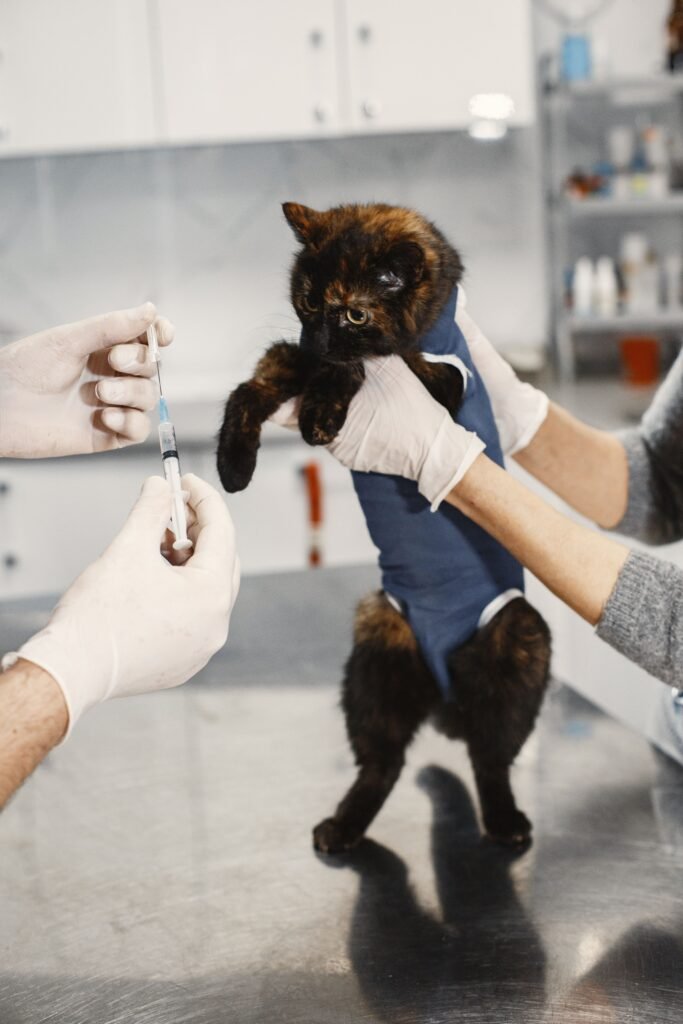
Some twitching can wait a day for a routine visit. Others can’t wait at all.
If you notice any of the following, seek emergency attention immediately:
- A seizure lasts more than five minutes.
- Multiple seizures occur close together.
- Twitching occurs after using any flea product.
- Self-biting causes skin damage.
- Collapse, excessive drooling, or unconsciousness.
If your cat is breathing rapidly at rest in addition to twitching, treat it as urgent. And never attempt to hold or restrict your cat during a seizure or an acute episode.
If a bad FHS episode lasts more than two to three minutes or your cat is harming itself, keep your hands off it. Instead, clear the area and go to an emergency vet.
What to Do at Home Before the Vet
The most effective thing you can do is watch closely and record what you see. A short phone video of the twitching is more useful to your vet than a description.
While waiting or traveling, follow these steps:
- Track how long the episode lasts.
- Write out what happened just before it.
- Move your cat to a calm, safe location.
- Remove anything that it could bump into or fall on.
- Do not administer any medications on your own.
Also, write down any recent modifications. Your vet will want to know about new meals, new medications, flea treatments, and potential poisons.
How Vets Diagnose the Cause
Your vet won’t just observe the twitch and guess. They begin by gathering information about the patient’s history and conducting a thorough physical examination.
Next, they run blood and urine tests. These tests monitor the liver, kidneys, blood sugar, calcium, and other factors that can induce twitching.
If these tests are normal, the veterinarian may recommend additional tests. Advanced imaging, such as an MRI, can provide a detailed view of the brain and spine.
The video you took fits in here, too. It helps the veterinarian distinguish between a seizure, an FHS episode, and a pain reaction.
How Vets Treat Twitching
Treatment is entirely dependent on the cause. There is no single solution for each twitch. With no definitive cure for FHS, the goal is to have fewer and milder episodes. Gabapentin is frequently used by veterinarians to treat nerve pain and anxiety, in conjunction with a low-stress environment.
Poisoning is treated quickly, with decontamination and medication to control the tremors. Permethrin cases may necessitate a bath, IV therapy, and cautious monitoring. Simpler causes are generally easier to treat. With the right product, you can remove fleas and mites, and pain often subsides once you identify the source.
How to Lower Your Cat’s Risk
You cannot prevent every cause, but a few habits can assist significantly. Most are simple and inexpensive.
Try these steps:
- Never use flea treatments designed for cats on dogs.
- Keep any human medications and toxins locked away.
- Feed a balanced food to keep kittens eating healthily.
- Visit the vet regularly.
To reduce stress triggers, maintain a tranquil environment at home.
Reading the label on any flea product is a simple habit with a significant payback. It is the simplest approach to avoid a fatal permethrin error.
Frequently Asked Questions
Why is my cat twitching but acting completely normal?
It is often the sensitive back muscle that responds to touch or excitement. Mild twitches along the back are normal. If it continues without an obvious cause, schedule a vet check.
Why is my cat’s leg twitching while awake?
A twitching leg could indicate a focused seizure, a nerve problem, or a pain response. Because the cause is difficult to determine at home, document it and present it to your veterinarian.
Can fleas really cause twitching?
Yes, flea bites around the tail and back can cause severe irritation and make the skin itch. Check for flea dirt and see your veterinarian about a safe treatment.
Is feline hyperesthesia syndrome dangerous?
It could be if your cat has severe episodes or harms itself. Most cats can cope if it is treated early.
Why is my kitten twitching while awake?
Low blood sugar, worms, and basic reflexes commonly cause twitching in kittens. Low blood sugar can be dangerous, so consult a veterinarian if your kitten is twitching.
Should I touch my cat during a twitching episode?
No. Touching can aggravate an FHS episode and may trigger your cat to bite. Keep the location secure and remain calm.
Conclusion
A cat jerking when awake is worth noticing. Sometimes it’s merely a sensitive skin reflex, but other times it indicates a serious issue. Pay great attention to the pattern. Twitching that occurs repeatedly for no apparent cause, or that is accompanied by licking, tail chasing, or self-biting, warrants a veterinarian’s attention.
Some causes constitute actual emergencies. A seizure lasting more than five minutes, twitching after using a flea remedy, or a cat harming itself are all signs that you should leave right away. The most beneficial thing you can do is shoot an episode. That short movie, combined with a quick vet check, is the quickest way to get your cat feeling better.
Pingback: Why Is My Cat’s Head Twitching? - Eachpetscare
Pingback: Why Is My Cat’s Tail Twitching Sometimes? - Eachpetscare
Pingback: Why Is My Cat’s Skin Twitching? Normal vs. Abnormal Causes - Eachpetscare