
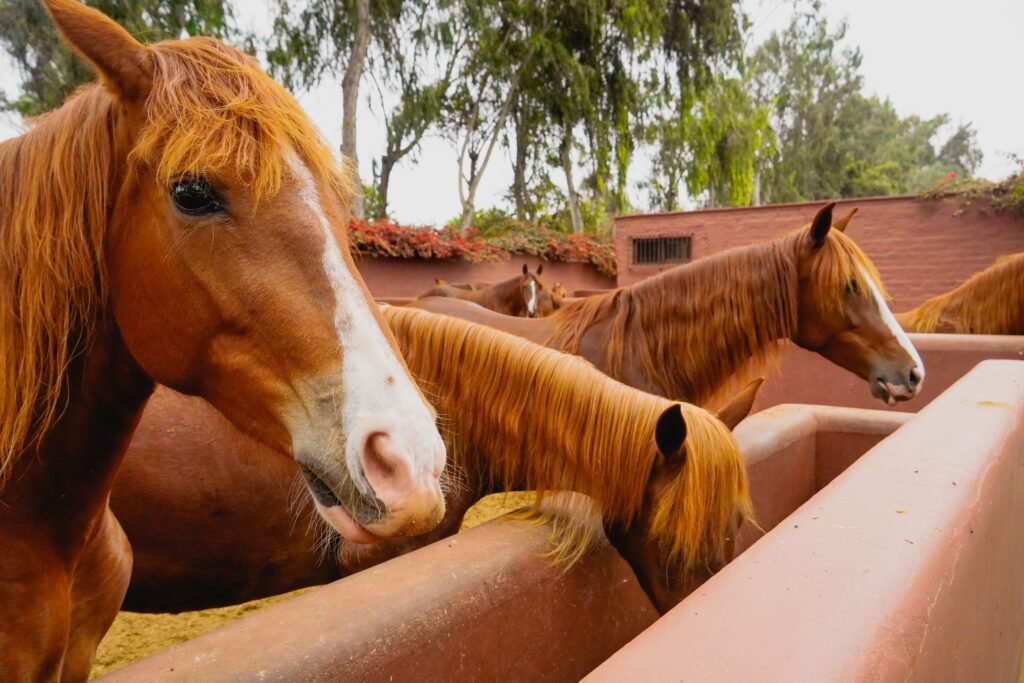
A fresh head of cabbage seems like the ideal nutritious snack for a horse. It is lush, crisp, and green exactly what a grazing animal is supposed to love. However, well-meaning owners may be misled by this tendency.
Horses’ and humans’ digestive systems differ greatly, and meals that are healthy for humans can cause serious problems for horses.
A famous illustration of that gap is cabbage.
Although it isn’t toxic, it is one of the vegetables horse specialists advise owners to avoid. Gas is the main cause, and there is no simple solution to get rid of it in the stomach.
If left untreated, it can develop into colic, one of the most dangerous illnesses for horses. Can horses consume cabbage, then? This guide provides a truthful, comprehensive answer, covering the real risks, the amounts that matter, the warning signs to watch for, and safer treats to choose.
Can Horses Eat Cabbage?
This is the direct response. Although cabbage is not harmful and can be consumed by horses, it is not a good option and should be avoided.
The problem is that a horse’s stomach doesn’t handle gas well, and cabbage is gassy.
Horses should not be fed any vegetables from the cabbage family, according to advice from Tufts University’s Cummings School of Veterinary Medicine. A small, unintentional nibble is unlikely to cause a disaster.
Larger doses or frequent feeding pose the greatest risk since they can cause excruciating and occasionally fatal gas colic. There is little incentive to risk cabbage because it provides horses with no nourishment they can obtain more safely elsewhere. Many more delicious options exist, which we shall discuss soon.
How a Horse’s Digestive System Works
To understand why cabbage causes problems, it helps to start with how a horse digests food. Their digestive systems differ greatly from humans’. As grazers, horses are made to consume little amounts of fibrous grass nearly continuously. Their extensive digestive tract and very small stomach suit a constant flow of food.
The hindgut, a sizable chamber filled with beneficial microorganisms, is where most digestion takes place. These microorganisms produce energy by fermenting fiber, but they can only survive on a steady diet of fodder.
This system is vulnerable for two reasons. Nothing comes back up because horses cannot burp or vomit, and abrupt dietary changes might upset the microorganisms and cause colic.
Why Cabbage Specifically Causes Problems
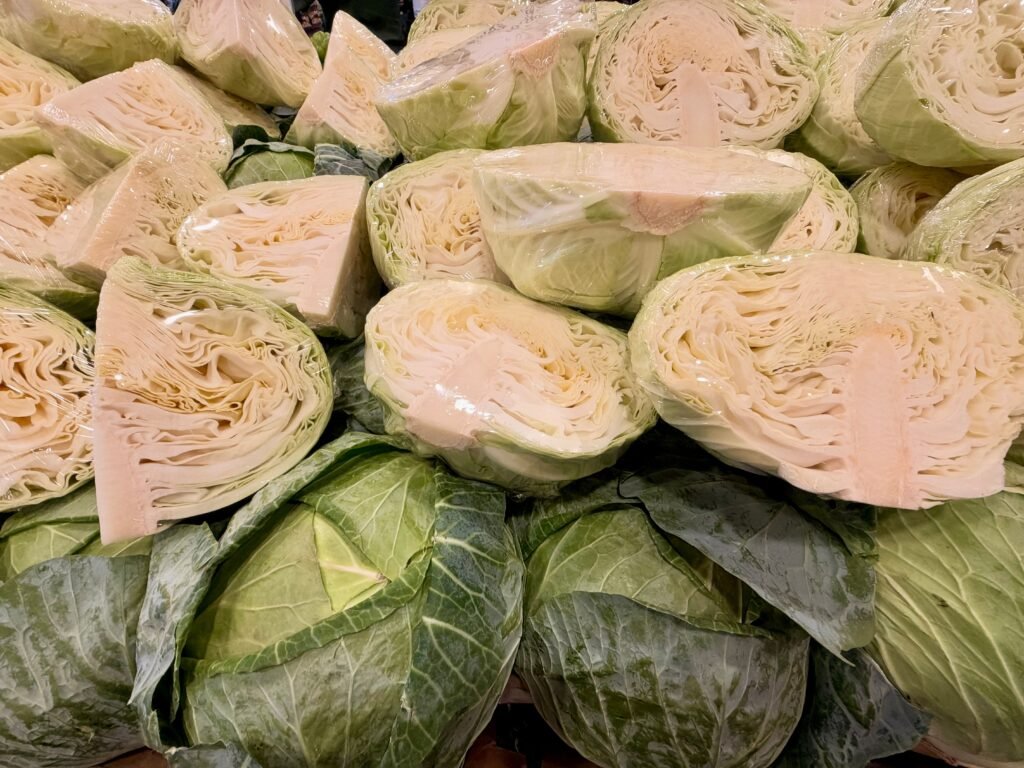
In this light, cabbage is practically a worst-case snack. It nourishes the precise gastrointestinal weakness in a horse. The issue has two parts: the contents of cabbage and what happens when gas accumulates.
The Gas-Causing Compounds
The cruciferous, or brassica, family includes cabbage, which has long been known to produce gas during fermentation. Two chemicals cause it.
The main one is raffinose, a sugar that bacteria in the hindgut ferment, producing a significant amount of gas. Additionally, when consumed in large quantities, cabbage contains glucosinolates, which can exacerbate intestinal distress.
From Gas to Colic
That gas builds up in a horse’s stomach because it cannot be expelled by burping. The intestinal wall stretches under the rising pressure, which is quite painful.
The main risk associated with cabbage is gas colic. Severe discomfort can lead to more serious complications.
The Different Types of Colic
Colic is a general term for tummy pain in horses rather than a specific illness. Understanding the primary categories makes it easier to understand why eating gassy foods is dangerous.
Gas buildup in the large colon or cecum causes gas colic, also known as tympanic colic. This type is most strongly associated with fermenting foods such as cabbage.
Impaction colic is caused by a blockage of packed feed material, whereas spasmodic colic is characterized by excruciating cramping of the stomach muscles. Both are prevalent and frequently manageable on the farm.
A displacement or twist, in which a portion of the gut moves or turns, is the most dangerous kind. Never dismiss colic, because these situations are emergencies that may require surgery.
Does the Type or Form of Cabbage Change the Risk?
Owners often believe a certain kind or preparation method of cabbage may be safer. Unfortunately, vegetables always carry some risk.
The same raffinose that causes gas is present in all varieties and versions:
- Savoy, white, red, and green cabbage all react the same way.
- Fresh, raw cabbage delivers the chemicals fully.
- Because drying concentrates the sugars, dried cabbage may be worse.
- Cabbage juice still causes gas and bloating.
- So changing the color or drying it out doesn’t change that. Cabbage can still cause gas if used as an ingredient.
Does Cooking Cabbage Make It Safe?
Whether cooking changes the picture is a common follow-up question. It doesn’t make cabbage safe for horses to eat. Cooking may soften the texture, but fermentable carbohydrates still enter the stomach and cause gas. The fundamental issue remains the same.
Furthermore, horses are not designed to consume prepared or seasoned human food. Oil, butter, and salt are just more ways to irritate an equine’s delicate digestive system.
What About Broccoli, Kale, and Other Crucifers?
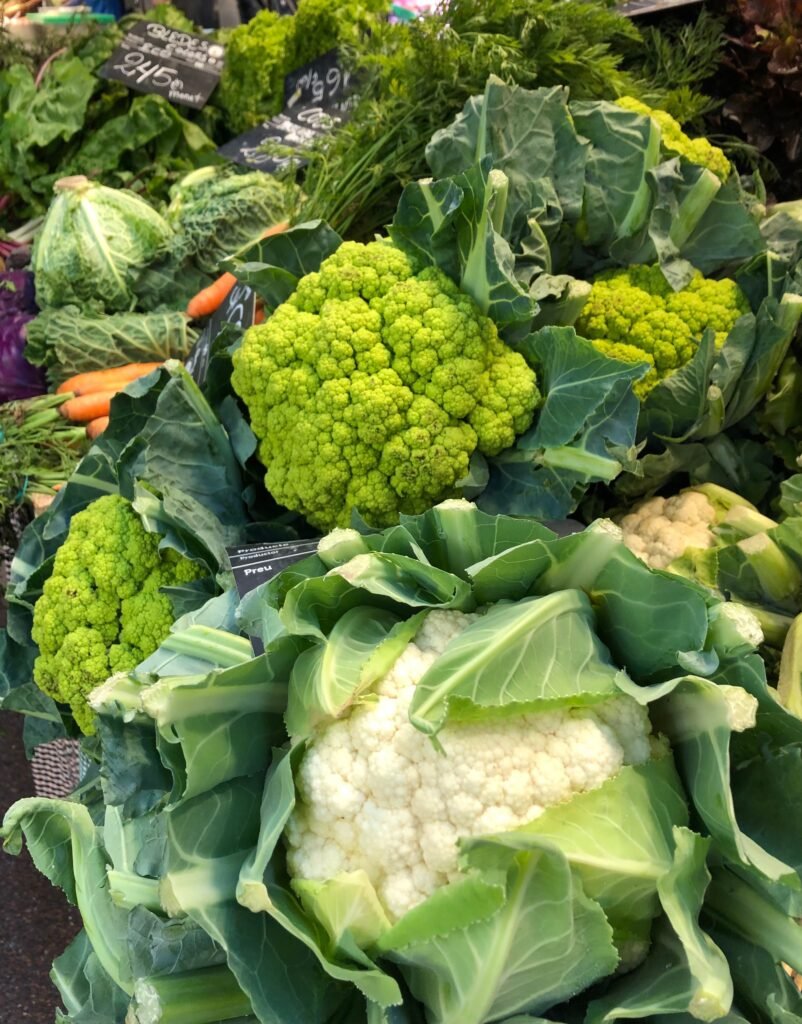
This dangerous family includes more than cabbage. The entire brassica group shares this gassy trait. Thus, raffinose is also present in broccoli, cauliflower, kale, and Brussels sprouts. In a horse’s stomach, they can all produce the same disagreeable gas.
Treating the entire cruciferous family as tightly restricted or off-limits is generally the safest course of action. Feeding decisions are much easier when you group them. For horses with field access close to farms or gardens, this is especially important. A horse can consume a hazardous amount of food quickly if it breaks into a crop of broccoli or cabbage.
What Is the True Danger of Cabbage?
Instead of panicking over a single leaf, keep the risk in context. The hazard depends on quantity and frequency. Serious problems are uncommon if your horse accidentally eats a small amount. A single nibble rarely results in a crisis, so keep a close eye on it.
A big serving or frequent feeding of cabbage is the true risk. At that point, enough gas accumulates to cause excruciating bloating and colic.
The basic tip is to avoid cabbage since it provides little nutritional value that a horse truly needs. The risk isn’t worth the reward.
Can Foals, Ponies, and Senior Horses Eat Cabbage?
Certain horses require extra vigilance because they don’t all manage risk the same way. Certain groups are especially susceptible to cabbage-related problems.
Foals’ digestive tracts are sensitive and still developing. Avoid cabbage completely because their stomachs can’t handle gassy foods.
Small breeds and ponies also require extra attention. Many of them are sensitive to sugar, which increases their risk of developing laminitis from improper treats, and they frequently get colic.
Senior horses round out the list. Forage and mild, safe snacks are a better option for them because they are more prone to struggle due to slower digestion and worn teeth.
Signs of Colic Every Horse Owner Should Know
The primary concern is gas colic; therefore, early detection could save your horse’s life. Rapid detection matters because colic can worsen quickly.
Keep an eye out for these warning indicators:
- pawing the floor or fidgeting restlessly.
- examining, biting, or kicking in the direction of the belly.
- rolling frequently or lying down and getting back up.
- Appetite loss and refusal to eat as usual.
- As usual, there are fewer droppings or none at all.
- Sweating, breathing quickly, or displaying signs of anxiety.
Vital signs are also helpful. A healthy horse’s resting heart rate should be between 24 and 48 beats per minute, according to University of Florida veterinary guidelines; a rate above that range is a warning sign that warrants a vet visit.
Before problems arise, learn your horse’s typical baseline. A loud, leaping pulse at the hoof or quiet gastrointestinal noises can indicate a problem.
What to Do If Your Horse Eats Cabbage
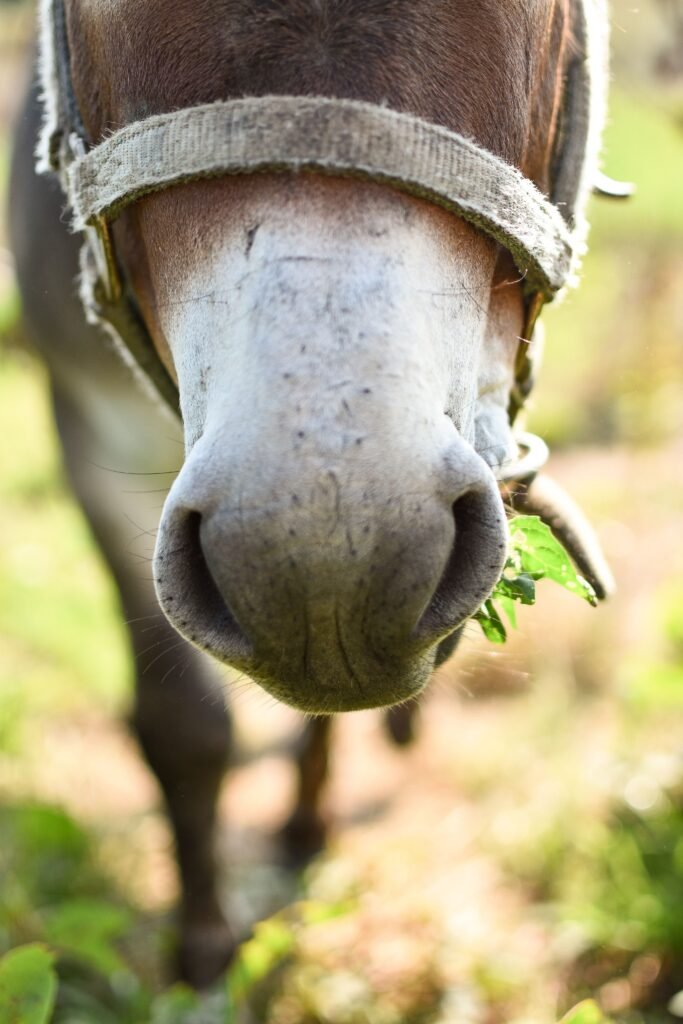
Stay calm and follow these simple steps if you discover your horse has eaten cabbage. Measured action always defeats panic. To stop it from eating more, remove any leftover cabbage. After that, pause the other feed for a bit and observe its behavior.
Don’t administer any prescription or home remedy on your own. Your veterinarian should determine the best medication and dosage for colic pain treatment.
Don’t push the horse to walk itself to fatigue; keep it calm and avoid aggressive rolling, which can cause injuries. It’s okay to move gently if it helps.
Contact your veterinarian as soon as colic manifests. Early intervention is significantly safer for horses with abdominal pain than waiting to see if it goes away.
Safer Treats Your Horse Will Love
The benefit is that horses can choose from a wide variety of safe and entertaining treats. With these, you can indulge your horse without risking petrol.
Instead, go for these solutions that are suitable for horses:
- Carrots are a traditional and easy-to-digest food.
- Apple slices with the seeds and core removed.
- Cucumber, turnips, and celery.
Other Foods Horses Should Never Eat
What you serve them is just as important as how you serve it. Chop treats into small pieces, because large carrot or apple chunks can lodge in the throat and cause choking.
Additionally, keep the portions modest. The Mad Barn equine nutrition team maintains a vet-referenced guide for a more comprehensive list of safe and harmful foods.
Keep in mind that hay and grass should always make up the great majority of the diet. Other Foods That Horses Must Never Consume
Horses should avoid a much broader list of items, including cabbage. Some of these are really poisonous, not merely gassy.
Keep them well out of your reach:
- Garlic, leeks, and onions can harm red blood cells.
- The nightshade family includes potatoes, tomatoes, and peppers.
- Horses are at risk from the poison found in avocados.
- Caffeine and chocolate are also poisonous.
- Acorns and lawn clippings are two typical causes of colic.
- That list also includes damaged or moldy feed. If you are unsure about any new food, consult your veterinarian first.
How to Keep Cabbage Away From Your Horse
Treating a colicky horse is much harder than preventing it. Tempting but dangerous meals are kept out of reach with a little preparation. Keep vegetables and cooking waste out of reach of an inquisitive horse.
When they detect an intriguing scent, horses are resourceful and tenacious. Pay attention to the fences around crop fields and gardens as well. Before anyone notices, a horse that pushes into a patch of broccoli or cabbage can consume a dangerous quantity.
Frequently Asked Questions
Is cabbage toxic to horses?
No, cabbage is not considered harmful. The gas it produces poses a risk, as it can lead to bloating and even severe colic.
What if my horse ate a small piece of cabbage?
A crisis is unlikely to be caused by a single tiny piece. After removing any more, watch for signs of colic, such as bloating or restlessness.
Does cooking cabbage make it safe for horses?
No. Cooking softens the texture but removes the sugars that cause flatulence, and horses shouldn’t eat cooked, seasoned food anyhow.
Are all types of cabbage bad for horses?
Yes, none of the cabbage varieties—green, red, white, savoy, and dried—are safe to eat daily because they all contain the same gas-causing raffinose.
Can horses eat broccoli, kale, or cauliflower?
Avoiding them is the best option. All of these cruciferous veggies have a comparable risk of colic and cause the same gas.
What vegetables and fruits are safe for horses?
Apples, watermelon, turnips, celery, cucumber, and carrots are all excellent choices. As occasional treats, serve them in tiny, chopped portions.
Why can’t horses burp out the gas?
Because of a powerful muscle at the stomach entrance, horses can’t burp or vomit. Instead, trapped gas accumulates, which is why gassy foods are dangerous.
How do I know if cabbage has caused colic?
Watch for pawing, rolling, sweating, loss of appetite, and few droppings. A visit to the veterinarian is also necessary if the resting heart rate rises above the high 40s.
conclusion
Can horses consume cabbage, then? They can ingest it, but since their stomachs aren’t designed to handle the gas it produces, they really shouldn’t.
Larger or frequent consumption of cabbage can cause excruciating, occasionally fatal gas colic, but it is not toxic. Leaving it out is the safest course of action because it provides no advantage that a horse actually requires.
Remove it, watch your horse closely, and contact your veterinarian as soon as you notice any problems. Your best defense is to act quickly.
When it comes time for treats, stick to tried-and-true favorites like apple slices and carrots. Your horse receives the prize, and its delicate stomach remains at ease.