
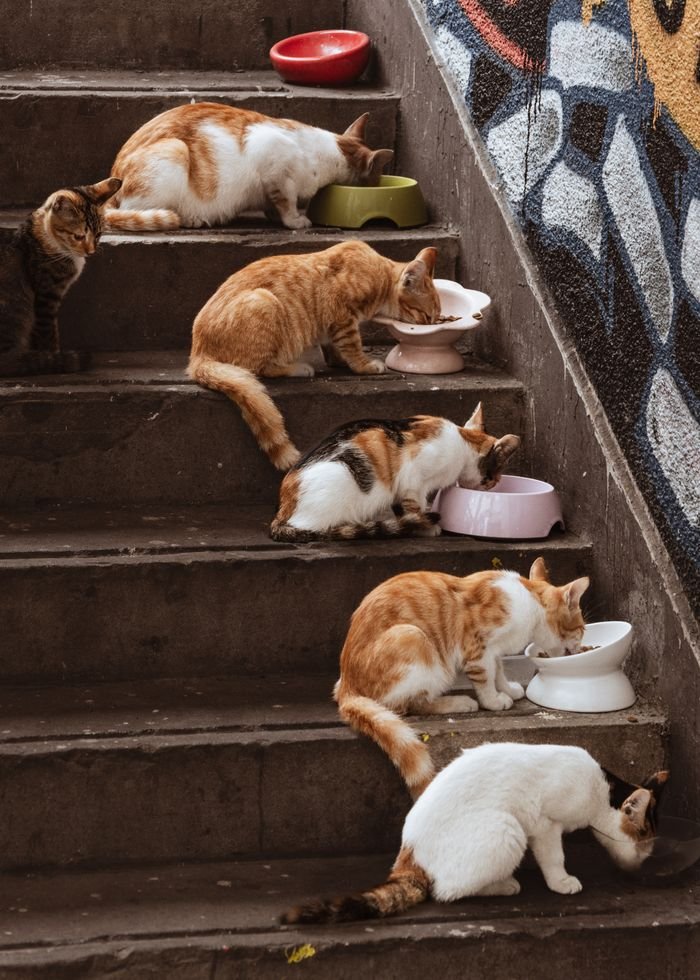
Walk down any pet food aisle, and you’ll see two very different worlds. Cans and pouches sit stacked on one side, while bags of crunchy kibble fill the other.
Cat owners often assume one format must be objectively superior, so they search for a single right answer.
The truth is messier than that, and it depends on the cat sitting in front of you. This article breaks down which option fits which situation, from tiny kittens to cats managing kidney disease.
By the end, you’ll know exactly what to look for based on your own cat’s age, habits, and health.
Is Wet or Dry Food Better for Cats?
Neither wet nor dry food wins this argument outright. Both can meet a cat’s nutritional needs when they’re made by a reputable company and labeled complete and balanced.
What actually matters is the individual cat in front of you. A young, healthy cat with no dental issues has very different needs than a ten-year-old cat with kidney concerns.
Age, health conditions, hydration habits, and even personal taste all shape which format serves a cat best. A cat that barely drinks from its water bowl may need the moisture wet food provides.
Meanwhile, a cat that grazes throughout the day might do just fine on kibble left out during work hours. The sections below walk through each of these situations one at a time.
Matching Food to Life Stage and Health
Life stage and health status drive most feeding decisions more than personal preference does. A kitten’s stomach, a senior cat’s teeth, and a diabetic cat’s kidneys all place different demands on food.
The following breakdown covers the most common situations cat owners face. Each one calls for a slightly different approach to wet versus dry.
For Kittens
Kittens burn through energy at a startling rate compared with grown cats. According to the 2021 AAHA/AAFP Feline Life Stage Guidelines, a ten-week-old kitten needs roughly two and a half times the calories per pound of an adult cat.
That demand for dense calories makes wet food, or a mix of wet and dry, a smart early choice. Wet food packs more calories and protein into each bite relative to its size.
Kittens also have small mouths and tiny teeth still coming in, so softer wet food is easier for them to chew and swallow safely.
Hydration matters here too, since young kittens don’t always drink enough water on their own. Wet food’s high moisture content helps fill that gap without any extra effort from the kitten.
For Adult Cats
Healthy adult cats have more flexibility than kittens or seniors do. Convenience often becomes the deciding factor for busy owners at this stage.
Dry food can sit out safely for hours, which suits cats that prefer to nibble throughout the day. It’s also easier to portion precisely, which helps prevent overfeeding.
Kibble’s crunchy texture gives the teeth some mechanical friction as a cat chews. This can help slow plaque buildup, though it’s not a substitute for real dental care.
Wet food still offers a hydration boost that dry food can’t match. Many owners feed a mix so adult cats get moisture from wet meals and easy grazing from dry ones.
For Senior Cats
Older cats often develop stiffer jaws, sore teeth, or reduced interest in eating altogether. Wet food’s soft texture makes chewing far less of a chore during this stage of life.
Its strong smell also tends to spark appetite in senior cats that have grown picky. Aging cats sometimes lose their sense of smell first, so a fragrant wet meal helps draw them back to the bowl.
Hydration becomes more important with age as well, since older cats are more prone to constipation and kidney strain. Wet food’s water content supports that need without forcing a cat to drink more from its bowl.
For Cats With Kidney or Urinary Issues
Cats with kidney disease or urinary tract concerns benefit enormously from extra moisture in their diet. More water passing through the kidneys and bladder helps flush out waste and dilute urine.
Veterinarians frequently recommend switching these cats toward wet food, or even prescription wet diets built for kidney support. Diluted, more frequent urination can also lower the risk of crystal formation in the bladder.
That said, this decision should never happen without a vet’s input. Kidney and urinary conditions vary widely, and some cats need specific mineral or protein adjustments that go beyond moisture alone.
For Cats With Dental Problems
Dry food’s crunch can help scrape away some plaque as a cat chews normally. But that same crunch turns painful fast once a cat develops gum disease, broken teeth, or oral tumors.
A cat in dental pain may start avoiding kibble entirely, even if it’s hungry. Softer wet food removes that barrier and lets a cat eat without wincing through every bite.
Once a dental problem is diagnosed, wet food usually becomes the safer short-term choice. Some cats can return to dry food later, but only once the underlying issue is treated.
For Overweight or Weight-Management Cats
Dry food is calorie-dense by nature, often packing three to four calories per gram. That density makes it remarkably easy for a cat to overeat without anyone noticing right away.
Wet food’s high water content dilutes those calories across a larger, heavier meal. A cat can eat a satisfying portion of wet food while consuming noticeably fewer calories overall.
This makes wet food a common ally in feline weight-loss plans. Portion control still matters with either format, but wet food gives owners a bit more room for error.
Nutritional Differences Between Wet and Dry Cat Food
The gap between wet and dry food starts with water. According to PetMD, dry food contains roughly 10 percent moisture, while canned food runs closer to 70 percent.
That single difference explains most of the health effects discussed above, from hydration to urinary support. Everything else, including protein levels and calorie density, tends to follow from how much water each format holds.
Moisture and Hydration
Cats descend from desert-dwelling ancestors and never developed a strong thirst drive. Many cats fed only dry food end up mildly dehydrated without ever showing obvious signs.
Wet food closes that gap automatically, since a cat eating wet meals absorbs water with every bite. This matters most for cats prone to kidney or urinary trouble, as covered earlier.
Protein and Carbohydrates
Wet food generally carries a higher percentage of protein and fat once you strip away the water. Dry kibble needs starch to hold its shape during manufacturing, which pushes its carbohydrate content higher.
Cats are obligate carnivores, meaning their bodies are built to run on animal protein rather than plant starches. That biological reality is part of why many vets favor higher-protein, lower-carb diets when a cat’s health allows it.
Calorie Density
Dry food packs more calories into a smaller volume, since it isn’t diluted by water weight. This density makes portion control trickier and raises the risk of quiet overfeeding.
Wet food, by contrast, delivers fewer calories per gram because so much of its weight comes from moisture. That’s part of why it plays such a useful role in weight management, as mentioned earlier.
Can You Mix Wet and Dry Food?

Mixed feeding is not only safe for most healthy cats, but it’s often the practical middle ground. Feeding both formats gives a cat the hydration benefits of wet food alongside the convenience of dry kibble.
Many veterinary nutritionists actually recommend this approach for average, healthy adult cats. It also adds variety, which keeps mealtime interesting for cats that tend to get bored with the same texture daily.
To mix safely, introduce any new food gradually over several days to avoid stomach upset. Feed wet food and dry as separate meals rather than pouring them into one bowl together, since wet food spoils faster once it’s exposed to air.
Watch total calorie intake closely when mixing, since it’s easy to overfeed without realizing it. A cat getting both formats daily may need smaller portions of each than it would need eating only one.
Cats with specific medical conditions, like kidney disease, may need a vet’s guidance before mixing formats. Some prescription diets are formulated as a complete solution on their own and shouldn’t be diluted with regular kibble.
Cost and Convenience Considerations
Price and effort matter too, even though they sit outside the health conversation. Dry food is almost always cheaper per calorie, largely because it costs less to manufacture and ship.
Kibble also wins on shelf life, since a sealed bag can last months in a pantry. Once opened, dry food can typically sit out for a full day or two without spoiling.
Wet food costs more and demands more attention day to day. An open can generally needs refrigeration and should be used within a few days, or thrown out sooner if a cat won’t finish it.
Cleanup differs sharply between the two as well. Dry food pours straight from bag to bowl, while wet food means washing dishes and dealing with stronger odors.
None of this should override a cat’s actual health needs, but it’s worth factoring into a realistic, sustainable routine.
Matching Cat Food to Your Cat’s Real Needs
There’s no universal winner in the wet versus dry debate, and there never really was one. The right answer depends on your cat’s age, teeth, hydration habits, and any medical conditions it’s managing.
A growing kitten and a cat fighting kidney disease need moisture and calorie density for very different reasons. A healthy adult cat, meanwhile, often has room to choose based on convenience and preference alone.
Watching your cat’s actual behavior tells you a lot, from how eagerly it eats to how much water it drinks on its own. When health conditions are involved, a veterinarian can confirm which format, or which mix of both, truly fits your cat’s situation.