
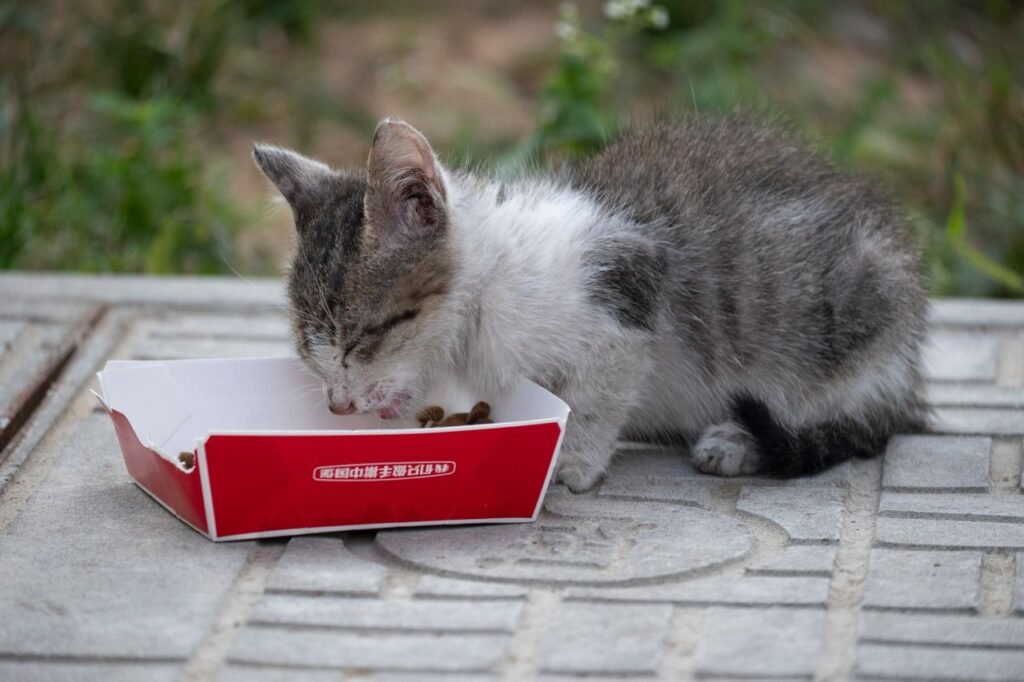
A tiny kitten arrives home, and suddenly every food decision feels like it carries weight. Wet food sits right there in the store, smelling rich and looking easy to eat, so it seems like the obvious choice.
But a kitten’s stomach and teeth are nothing like an adult cat’s. What works at ten weeks can actually harm a kitten at two weeks.
Get the timing wrong, and you risk poor nutrition, digestive upset, or a kitten who never learns to eat solid food properly. Get it right, and the switch to wet food becomes smooth and even fun to watch.
This guide walks through exactly when and how to introduce wet food, stage by stage, so you never have to guess.
Can Kittens Eat Wet Cat Food
Yes, kittens can eat wet cat food, but only once they reach a certain age and only if the formula is made for kittens.
Wet food isn’t automatically safe just because it looks soft and easy to swallow. A newborn kitten still needs mother’s milk or formula, not canned food of any kind.
The right moment to introduce wet food depends entirely on where your kitten sits in its growth timeline. Each stage below covers exactly what to expect and what to feed.
Newborn Kittens (0–2 Weeks)
Newborn kittens should never eat wet cat food. Their digestive system simply isn’t built to process anything beyond milk.
At this age, a kitten depends entirely on its mother’s milk or, if she isn’t available, a proper kitten milk replacer formula. These liquids deliver the exact balance of fat, protein, and antibodies a newborn needs to survive.
Their eyes are barely open, their teeth haven’t come in, and their gut can’t break down solid or semi-solid food yet. Feeding wet food this early can cause choking or serious digestive distress.
If a kitten is orphaned or the mother can’t nurse, a vet-approved bottle formula is the only safe substitute during these first two weeks.
Can 3-Week-Old Kittens Eat Wet Cat Food
At three weeks old, kittens can begin the earliest stage of weaning, though they still rely mostly on milk.
Some kittens start showing curiosity about food at this point, sniffing and pawing at nearby bowls. This is the natural moment to offer a small taste, not a full meal.
The best approach is a thin gruel made by blending wet kitten food with warm water or kitten formula until it reaches a soupy texture. This softer consistency is gentle on their still-developing teeth and stomach.
Kittens are typically ready to be weaned around four weeks of age, though some show readiness for solid food as early as three weeks. Watching your kitten’s individual cues matters more than the calendar date alone.
Weaning Kittens (4–6 Weeks)
Between four and six weeks, wet food moves from an occasional taste to a regular part of the daily routine. This is the true bridge period of weaning.
Most kittens begin eating wet food around three to four weeks of age, right as they start weaning off their mother’s milk. By week five, that gruel mixture can thicken as less liquid gets added each day.
Nursing sessions naturally become shorter and less frequent as solid food intake climbs. Some kittens still return to their mother for comfort even after eating well on their own.
By six weeks, many kittens are eating several small wet food meals a day while nursing only occasionally. Their baby teeth are usually in by this point, which makes chewing softer food much easier.
Can 8-Week-Old Kittens Eat Wet Cat Food
Yes, eight-week-old kittens can eat full meals of wet cat food, and by this age, most are fully weaned from milk entirely.
Look specifically for wet food labeled for kittens or growth, since these formulas carry higher protein and fat levels. Regular adult wet food doesn’t meet these same nutritional demands.
Feeding frequency matters just as much as the food itself at this stage. Kittens this young burn energy fast and benefit from three to four small meals spread across the day.
By six to eight weeks, kittens can typically begin eating wet or dry food on their own. Portion sizes should follow the guidance printed on the food packaging, then be adjusted based on appetite and growth.
Older Kittens (3–6 Months and Beyond)
Once a kitten reaches 3 months, wet food needs start to shift again as growth speeds up even further. This stage calls for larger portions, not a different type of food.
Meal frequency can gradually drop from four small meals to three as the kitten’s stomach capacity grows. Watching body condition and energy levels helps guide how much to adjust.
Kittens between three and six months are often at their hungriest, since this is peak growth season for muscle and bone. Sticking with kitten-formula wet food remains essential through this entire window.
Larger breeds sometimes need kitten food for longer than smaller ones. Maine Coons and similarly big-boned cats often benefit from staying on kitten formula closer to a year and a half old.
At what age can kittens eat wet cat food
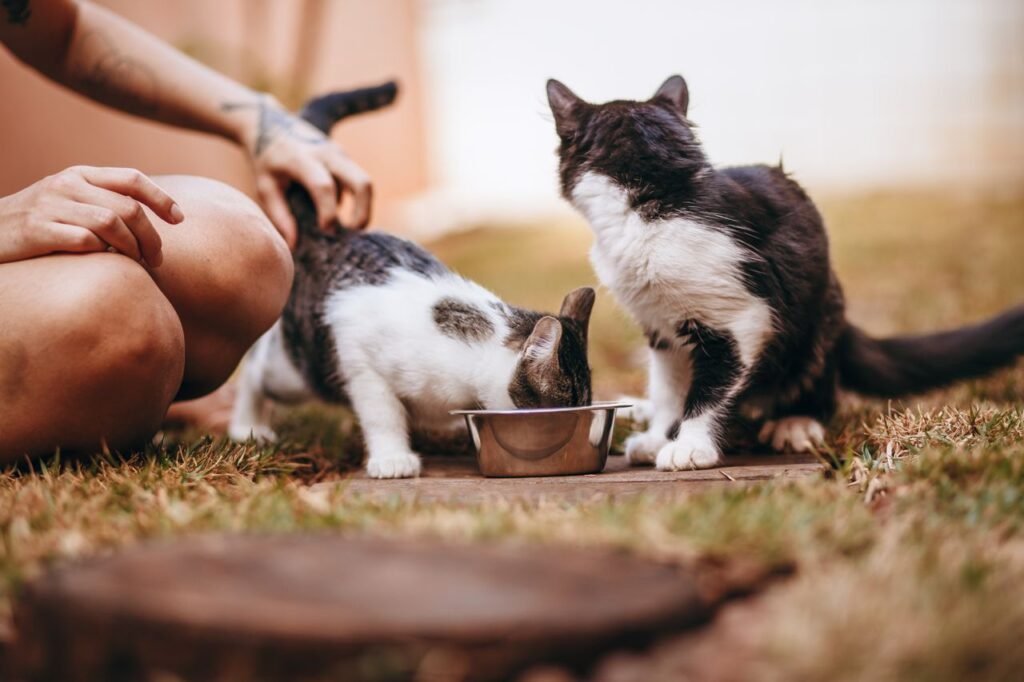
Pulling the stages together, kittens can start tasting wet food around three to four weeks old, once true weaning begins.
By six weeks, wet food becomes a regular meal rather than an occasional treat. By eight weeks, most kittens are fully weaned and eating complete wet food meals on their own schedule.
From there, wet food stays part of the diet straight through to adulthood, with portions scaling up as the kitten grows. The one constant throughout is choosing a formula built specifically for growing kittens.
Can Kittens Eat Adult Cat Food Wet
Kittens should not eat adult wet cat food, even though it looks nearly identical to kitten formulas on the shelf.
Adult wet food is built for maintenance, meaning it supports a fully grown cat’s steady energy needs rather than active growth. Kittens require noticeably higher levels of protein, fat, and calories to fuel their rapid development.
Feeding adult food to a growing kitten can quietly stall weight gain and skip nutrients their bones and muscles need. Sticking to a formula labeled for kittens or growth avoids this gap entirely.
Can Kittens Eat Purina Friskies Wet Cat Food
Some Friskies wet food formulas are suitable for kittens, but not every product in the lineup qualifies.
Purina’s Friskies pate range includes several recipes, and most carry a nutrient profile for adult maintenance, while a smaller number are labeled for kitten growth instead. This means the label matters far more than the brand name alone.
Before feeding any Friskies canned food to a kitten, check the package for wording like “growth,” “kitten,” or “all life stages.” Skipping this check risks feeding a formula that wasn’t built for a kitten’s needs.
If the label doesn’t clearly confirm it’s suitable for growth, choosing a different can labeled specifically for kittens is the safer route.
What to Remember Before Switching Your Kitten to Wet Food
The full journey moves from milk-only feeding, to gruel around three weeks, to full wet meals by eight weeks, and onward through steady growth. Each step depends on age, not convenience.
Always double-check that any wet food carries a kitten or growth label before offering it. Adult formulas and unlabeled cans can leave real nutritional gaps during a critical growth window.
According to the American Association of Feed Control Officials, pet food formulated for growth must meet stricter nutrient minimums than food built for adult maintenance, which is exactly why the kitten label carries real weight. You can review these standards directly on the AAFCO website.
A kitten’s weaning pace can vary, so watching their weight, appetite, and teeth is often more useful than following the calendar alone. When in doubt, a quick call to your veterinarian settles most feeding questions fast.