
We often think that ear twitching is a normal part of our cat’s everyday behavior, and in some cases, it can be. However, this is not always the case. To help you better understand the issue, I conducted research.
I found that, according to a veterinary website, Colorado-based holistic veterinarian Dr. Candy Akers, DVM, says that cats may shake or twitch their ears as part of their normal behavior. However, not every instance of this is a sign of illness.
She may be listening to sounds around her. Sometimes a cat may look asleep but still be partly awake. While resting, her ears may twitch slightly as she listens to what is happening around her.
Even a soft or distant sound can catch her attention and make her ears move. If your cat is twitching or shaking its ears more often than usual, it could be a sign that something is bothering or irritating the ears.
Cats may twitch their ears for several different reasons. Some causes are minor and harmless, while others may require closer attention.This guide explains the common reasons behind your cat’s ear movements, so you can better understand what your cat may be trying to tell you.
Cat Ear Twitching: Common Reasons
A cat’s ear is packed with nerve endings, tiny muscles, and thin skin, which makes it one of the most reactive spots on their body. That sensitivity is useful for survival, since it helps cats detect the faintest brush, insect, or draft of air near the ear canal.
The moment your hand makes contact with that spot, the same wiring fires, and the ear responds before the cat even has to think about it. The exact reason behind any single twitch depends on a mix of nerve reflexes, mood, and physical health, which the next few sections walk through one at a time.
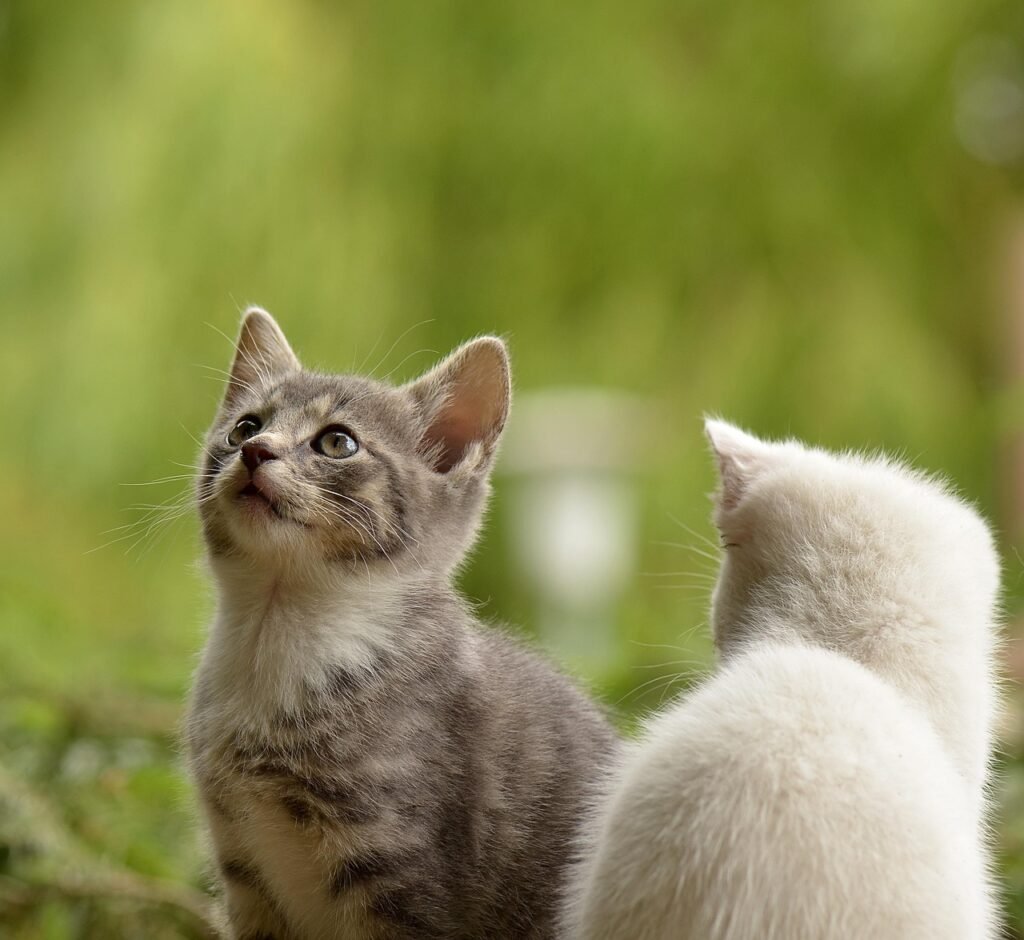
Sounds and Attention: Cats have a much sharper sense of hearing than humans. Your cat may have heard a sound that you could not hear, which is why they moved or twitched their ears. This is a normal way for cats to pay attention to sounds around them.
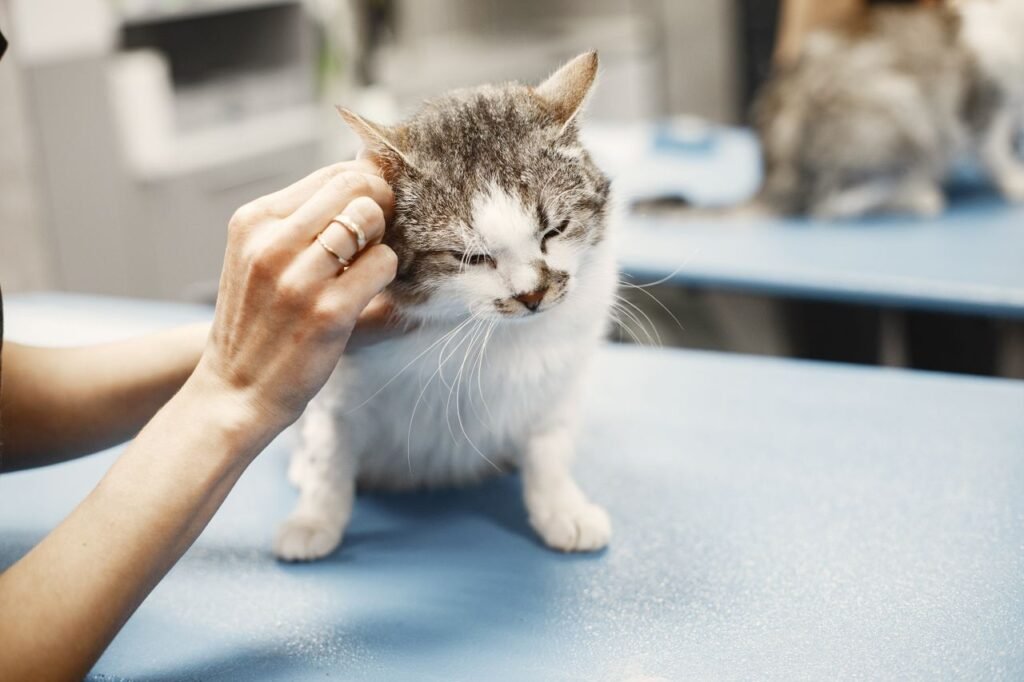
Touch or Sensitivity: If your cat’s ear twitches when you touch it, the area may be sensitive. Some cats do not like their ears being touched, especially if the touch is unexpected. A brief twitch usually is normal if your cat otherwise seems comfortable.
Body Language
Cats also use their ears and tails to express how they feel. When a cat notices something interesting, suspicious, or potentially threatening, it may quickly move its ears or tail to show its reaction. Sometimes, these little movements can even seem like a way of signaling to their owner that something has caught their attention.
Ear Itching
Just like people, cats can suddenly feel a little itch or a brief prickly sensation in their ears. When this happens, a cat may twitch its ear once or twice or give its head a quick shake. If it only happens occasionally and your cat otherwise seems completely normal, it is usually nothing to worry about.
Dreaming During Sleep
Sometimes a cat’s ears may twitch while it is sleeping and dreaming. You might also notice small movements in the whiskers, paws, or tail. If your cat wakes normally and acts fine afterward, these little movements are usually nothing to worry about.
She may be listening to sounds around her:
Sometimes a cat may look asleep but still be partly awake. While resting, her ears may twitch slightly as she listens to what is happening around her. Even a soft or distant sound can catch her attention and make her ears move.
Medical Reasons Why Your Cat May Keep Twitching Their Ears
Sometimes, you may notice your cat twitching their ears much more than usual or scratching them repeatedly. An occasional ear flick is normal, but when the movement suddenly becomes frequent or comes with other signs of irritation, it may be a sign that something is bothering your cat. Here are some of the possible medical reasons behind excessive ear twitching.
Ear Mites
Ear mites are tiny parasites that can live inside a cat’s ears and cause intense itching. Affected cats may scratch their ears, shake their heads, or keep moving their ears throughout the day. You may also notice dark, crumbly debris inside the ear that can look similar to coffee grounds.
Why can ear mites make a cat twitch its ears?
The constant itching and irritation caused by the mites can make your cat repeatedly twitch or shake their ears in an attempt to get relief. Allergies
Cats can develop allergies to different things, including pollen, dust, certain foods, or environmental irritants. Allergies may make the skin around the ears itchy and sensitive. You may notice your cat scratching more often or rubbing their face and ears against furniture or other surfaces.
Why can allergies make a cat twitch its ears?
When the ears or nearby skin become itchy and irritated, your cat may respond by flicking or twitching their ears more frequently.
Why might a cat with a health problem twitch its ears?
Changes in the body’s normal function can sometimes affect muscle and nerve activity. If ear twitching appears together with other unusual symptoms, it is worth discussing with a veterinarian.
Ear Infections
Ear infections can make the inside of a cat’s ear painful and irritated. Along with twitching, you may notice redness, swelling, an unpleasant smell, or discharge coming from the ear. Some cats may also avoid having the affected ear touched because it feels sore.
Why can an ear infection cause twitching?
Pain and inflammation make the ear more sensitive, so your cat may repeatedly move or twitch it because the area feels uncomfortable.
Skin Conditions
Skin problems such as dermatitis can cause itching, redness, dryness, or irritation around the head and ears. If the skin around the ear becomes uncomfortable, your cat may spend more time scratching or rubbing the area. You may also notice hair loss, redness, or small irritated patches on the skin.
Why can skin problems make a cat twitch its ears?
The itching around the ear can make your cat react with quick ear movements, especially when the irritation becomes stronger.
Foreign Objects or Injuries
Sometimes a small piece of grass, dirt, or another foreign object can get into a cat’s ear. A scratch, bite, or other injury around the ear can also make the area unusually sensitive. Your cat may suddenly start shaking their head, scratching one ear, or pulling away when you try to touch it.
Why can a foreign object or injury cause ear twitching?
Anything irritating or hurting the ear can make your cat move it repeatedly to reduce discomfort or get rid of whatever is bothering them. If your cat’s ear twitching keeps getting worse, happens very frequently, or appears along with scratching, head shaking, redness, swelling, discharge, bad odor, or obvious pain, it is best to have the ear examined by a veterinarian. Avoid putting medication or objects into the ear without professional advice.