
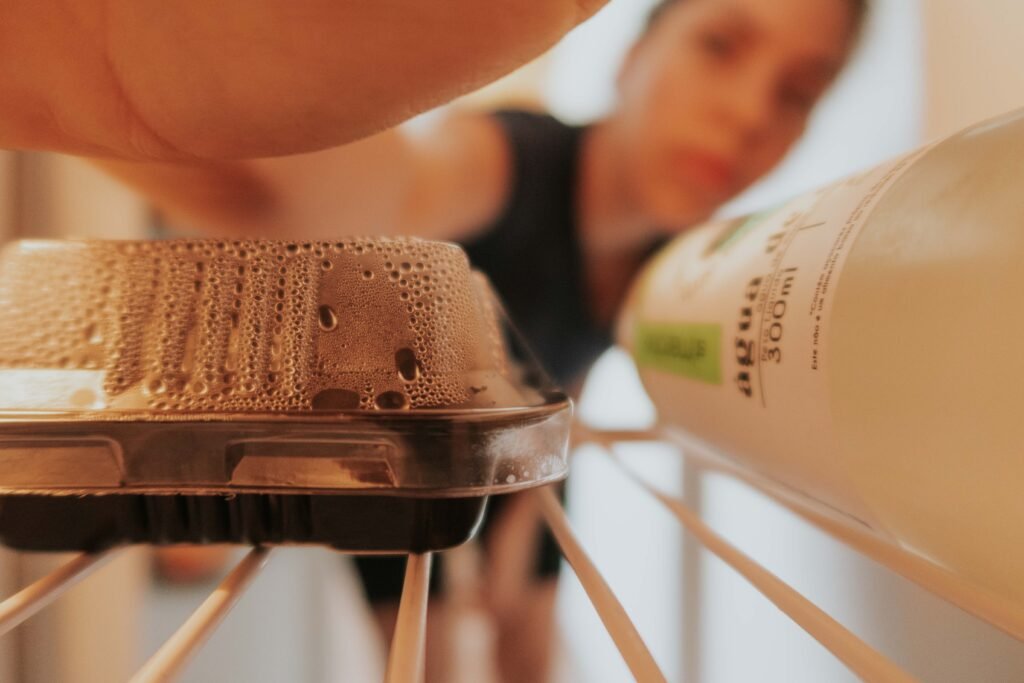
You just fed your cat half a can of their favorite pate, and now you’re staring at the leftover portion, unsure what to do next.
Do you leave the rest on the counter for later, or does it need to go straight into the fridge before it spoils?
The confusion is understandable because a cat’s wet cat food behaves very differently depending on whether the can is sealed, freshly opened, or already sitting in a bowl.
Get the timing wrong at any of these stages, and you risk feeding your cat something that has already started breeding bacteria.
That single mistake can lead to a vet visit, so it helps to understand exactly what each stage of storage requires.
Once you learn the pattern, from pantry shelf to fridge to feeding time, the whole routine becomes second nature rather than a daily guessing game.
Does Wet Cat Food Need To Be Refrigerated?
The honest answer is that it depends entirely on which stage the food is currently in.A sealed, unopened can of wet cat food needs no refrigeration whatsoever and can sit safely in a cupboard for months.
A sealed, unopened can of wet cat food needs no refrigeration whatsoever and can sit safely in a cupboard for months.
Once that seal breaks, though, the food loses its built-in protection, and refrigeration becomes necessary to slow bacterial growth.
If the food is instead sitting out in a bowl at room temperature, an even shorter clock starts ticking before it turns unsafe.
Each of these three stages calls for a slightly different response, which is exactly why no single blanket answer covers the whole question.
Understanding the differences between these stages is the foundation for keeping your cat’s meals both safe and appetizing.
Does Unopened Wet Cat Food Need To Be Refrigerated?
Sealed cans and pouches of wet cat food are built to be shelf-stable from the moment they leave the factory.
Manufacturers heat the food to a temperature that destroys bacteria, then seal it in an airtight container.
Because of this process, an unopened can sits safely in your pantry, cupboard, or any cool storage spot for months without any risk.
There’s no nutritional or safety benefit to refrigerating a can before opening it, so doing so wastes fridge space.
Just keep those unopened cans away from direct sunlight, ovens, or radiators, since prolonged heat can slowly degrade the food’s quality over time.
A cool, dry spot between roughly 50 and 80 degrees Fahrenheit keeps unopened wet food in ideal shape until the day you open it.
Wet Cat Food After Opening
The moment you peel back that lid, the food’s protective barrier disappears, and the countdown to spoilage begins immediately.
Air, moisture, and airborne bacteria all reach the food at once, and without the can’s seal, decay can start within just a few hours.
According to the FDA’s pet food safety guidance, owners should promptly refrigerate or discard any unused canned or pouch pet food once opened.
That means any leftover portion belongs in a clean, covered container rather than sitting loosely wrapped or left exposed on the counter.
A snug-fitting pet food can lid works well here, since it seals tighter than plastic wrap and keeps odors from spreading through your fridge.
Skip aluminum foil entirely, because it fails to create a true seal and can even react with acidic ingredients in the food once opened.
Does Wet Cat Food Need To Be Refrigerated in an Automatic Feeder?
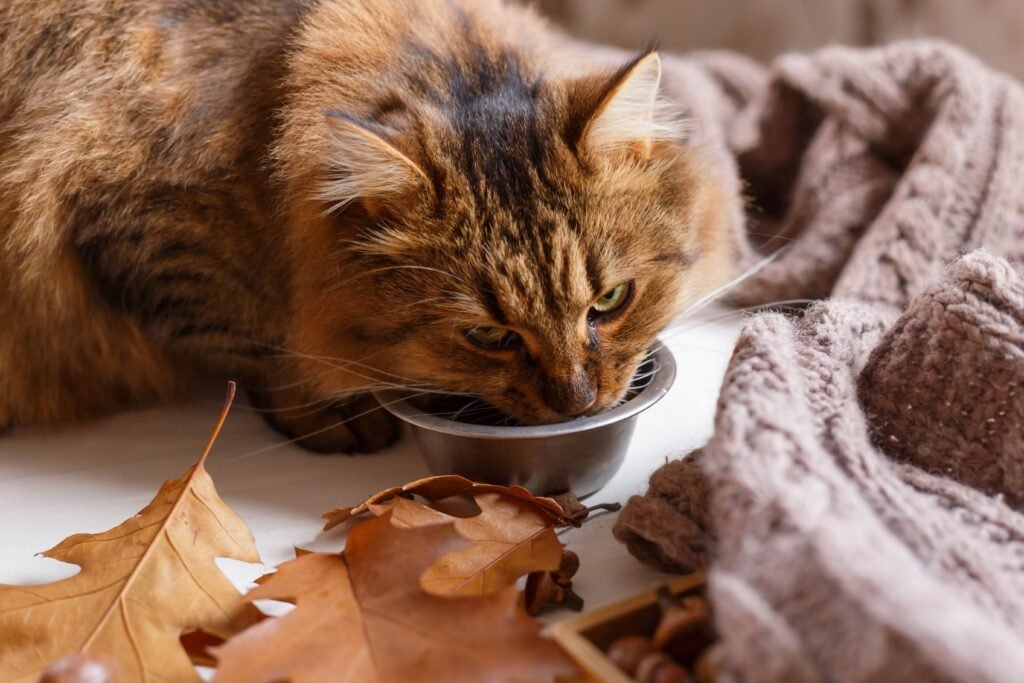
Automatic feeders create a trickier situation, since the food usually sits at room temperature rather than staying chilled in the fridge.
Wet food loaded into a feeder bowl loses the cold protection that normally slows bacterial growth, so the safe window shrinks dramatically.
Most food safety sources point to no more than 1 to 2 hours before which exposed food should be considered unsafe to eat.
A warm kitchen or a feeder placed near sunlight can shorten that window even further, sometimes down to a single hour.
If you rely on an automatic feeder during long workdays, look for models built with an ice pack tray or a cooling compartment underneath.
Those cooling features can meaningfully extend how long wet food stays safe to eat without you needing to be home to swap it out.
How Long Does Wet Cat Food Last In The Refrigerator?
Once wet food is properly covered and placed in the fridge, it can keep your cat eating safely for a few extra days.
Most veterinary sources, including guidance shared through PetMD, recommend discarding opened canned cat food after three days in the refrigerator, even if it still looks fine.
Chunkier styles packed in gravy or broth tend to spoil a little faster than dense pate, since the extra liquid speeds up bacterial growth.
Leaning toward the shorter end of that window is always the safer habit, especially during warmer months when your fridge works harder to stay cold.
Watch for a few clear warning signs that the food has turned before that three-day mark ever arrives:
- A sour or unusually sharp smell coming from the container
- Visible mold spots or fuzzy patches on the surface
- A slimy texture or noticeable liquid separation in the food
- Any shift in color compared to when the can was opened
If you notice any of these signs, skip the taste test entirely and throw away the questionable portion.
How To Warm Refrigerated Wet Cat Food?
Cold food straight from the fridge often gets turned down by cats, who generally prefer meals closer to room temperature.
Gently warming the portion solves this problem without damaging the food’s texture or stripping away its nutritional value.
The simplest method is to spoon the cold portion into a small dish, then set the dish inside a larger bowl of warm water.
Let it sit for a few minutes, stirring occasionally, until the chill is gone and the food feels close to room temperature.
If you’d rather use a microwave, always transfer the food into a microwave-safe dish first, since metal cans should never go in directly.
Heat it in short five to ten-second bursts, stirring between each one, until the food is lukewarm rather than hot in any spot.
Can Cats Eat Refrigerated Wet Food?
Serving food cold straight from the fridge won’t make your cat sick, so there’s no real safety concern with doing this.
The bigger issue is simply palatability, since many cats will sniff chilled food, hesitate, and walk away without eating much.
A quick warm-up before serving usually solves this problem and helps your cat finish their entire meal without fuss.
Why Refrigeration Habits Protect Your Cat’s Health And Appetite?
The entire storage question ultimately comes down to matching your habits to the stage the food is currently in.
Unopened cans can wait patiently in the pantry, but the instant air reaches the food, refrigeration becomes the only safe option available.
Staying mindful of how long food sits out, whether in a bowl, an automatic feeder, or a covered container, protects your cat from harmful bacteria.
It also keeps every meal appealing, since a brief warm-up turns cold, refrigerated food back into something your cat genuinely wants to eat.
Build this simple rhythm into your routine, and feeding wet food stops feeling like guesswork and becomes just another easy part of caring for your cat.