
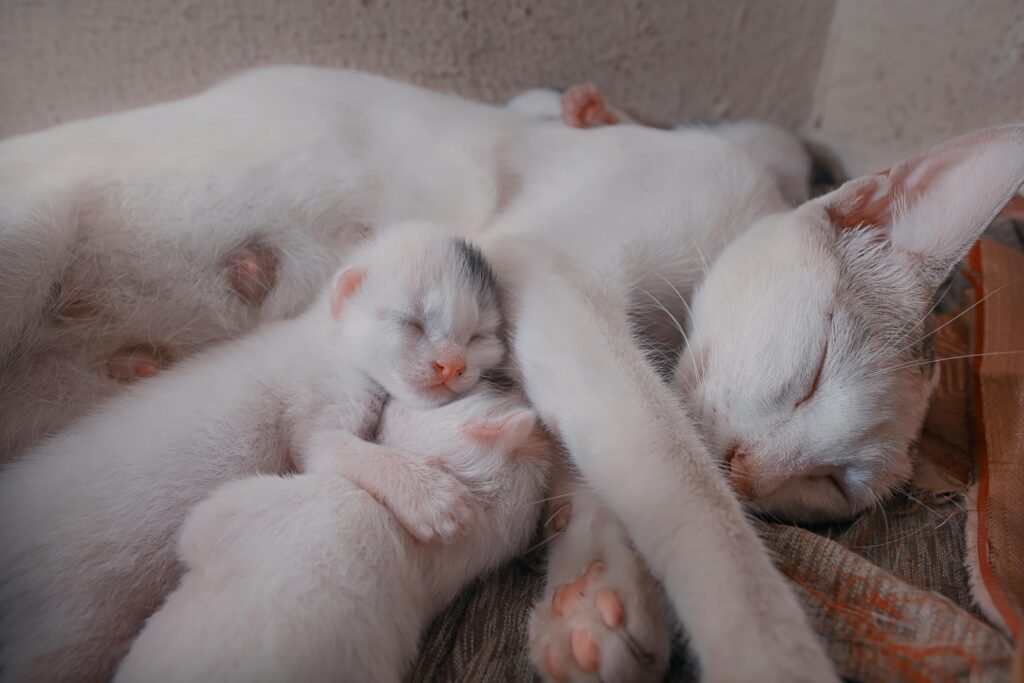
Your cat is pregnant, and you’re worried about how many kittens to expect. The number can surprise you if you’re unprepared. Most cats deliver between four to six kittens per litter, though this changes with several factors.
Without proper planning, a larger litter can overwhelm you financially and emotionally. Too many kittens mean higher vet bills, more food costs, and stress finding them good homes. According to PetMD, most house cats have three to six kittens per litter, with the average being four.
Knowing what to expect helps you prepare supplies, budget for care, and arrange homes ahead of time. First-time mothers usually have smaller litters of two to three kittens. Understanding how many kittens a cat can have lets you give better care to both mother and babies.
The right preparation makes the difference between a smooth experience and a chaotic one. This guide covers everything from breed differences to age factors that determine litter size.
Kitten Litter Basics
Cat litters vary more than most people realize. Some mothers give birth to just one kitten while others deliver up to twelve. The variation depends on genetics, health, and environmental conditions that affect reproduction.
How Many Kittens in a Single Litter
The average litter size for cats is 4 to 6 kittens, though adolescents, seniors, and first-timers typically have smaller-than-average litters. Mixed-breed cats often produce larger litters than purebred cats. Nutrition plays a major role in determining how many embryos develop successfully during pregnancy.
A healthy, well-fed mother carries more kittens to full term. Poor nutrition can cause the body to reabsorb some embryos early in pregnancy. Infections and stress also reduce final litter numbers even when conception involves many eggs.
First Time Pregnancies
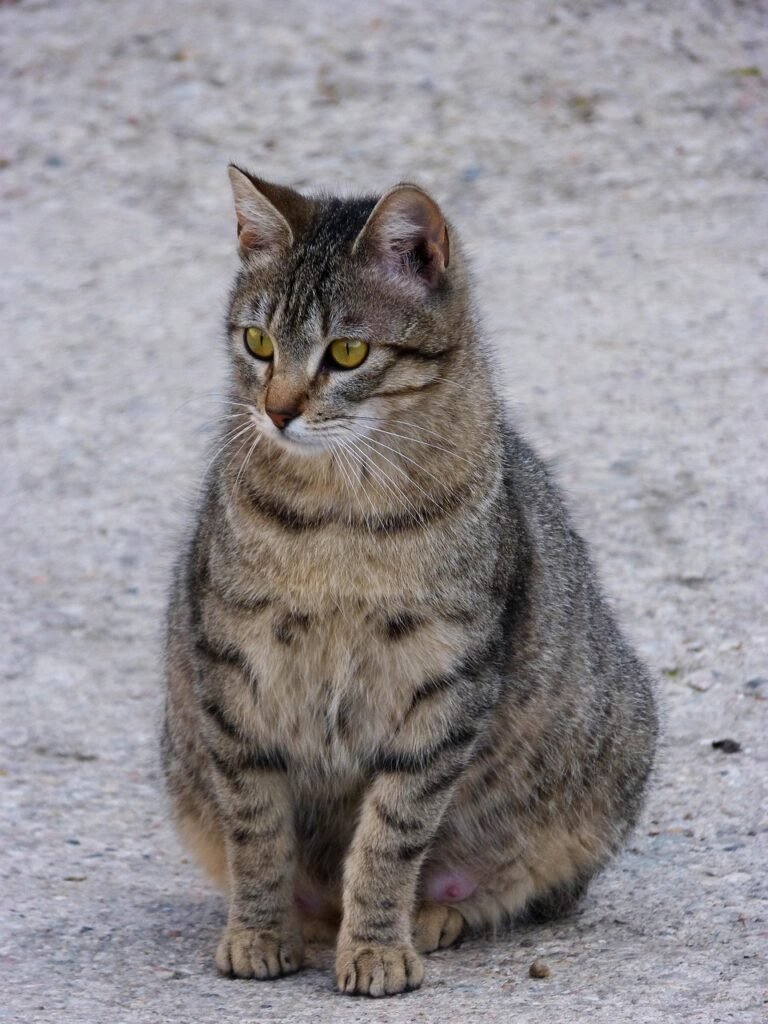
Young mothers having their first litter usually deliver fewer kittens. First-time moms usually only have 2 or 3 kittens. Their bodies are still developing and not yet optimized for large litters.
The first pregnancy test a cat’s reproductive system. Experience with later pregnancies often leads to larger litters as the body matures. Proper veterinary care during a first pregnancy ensures both mother and kittens stay healthy.
Reproduction by Age
Age dramatically affects how many kittens a cat can produce. Younger cats have fewer kittens while middle-aged cats reach peak fertility. Understanding these patterns helps you know what to expect at different life stages.
4 Month Old Cats
Kittens can get pregnant as early as four months old. Kittens can get pregnant as young as four months old, with the recommended age to spay a kitten being before five months, when most kittens reach puberty. A four-month pregnancy puts tremendous strain on a growing kitten’s body.
Young mothers this age usually have very small litters of one or two kittens. Their bodies prioritize their own growth over reproduction. Veterinarians strongly advise against breeding cats this young due to health risks.
6 Month Old Cats
Six-month-old cats are more commonly pregnant than four-month-olds. Most cats reach sexual maturity around this age and can conceive easily. Litters at this age still tend to be smaller, with two to four kittens.
The mother’s body is still growing and developing. Energy gets divided between her own needs and the growing fetuses. Nutrition becomes critical to support both the mother and her developing kittens.
7 Month Old Cats
Seven-month-old cats produce slightly larger litters than younger mothers. Their reproductive systems have matured more completely. Litters at this age typically contain three to four kittens.
Physical development is nearly complete at seven months. The mother can better support a pregnancy without compromising her own health. However, waiting until full maturity still provides better outcomes.
8 Month Old Cats
Eight-month-old cats approach their first year of development. Litter sizes increase to three to five kittens at this age. The mother’s body handles pregnancy more efficiently than in earlier months.
Hormonal systems have stabilized by eight months. Reproductive capacity increases as the cat reaches physical maturity. Proper nutrition ensures healthy development for both mother and kittens.
9 Month Old Cats
Nine-month-old cats are nearly full-grown. Litters average four to five kittens at this age. The reproductive system operates more effectively as the cat matures.
Energy reserves are better developed at nine months. The mother can provide adequate nutrition to more developing kittens. Health outcomes improve significantly compared to younger pregnancies.
1-Year-Old Cats
One-year-old cats have reached full maturity. At 3 to 4 years old, a cat will be more likely to have around 4 to 5 kittens per litter, but even at one year, cats produce healthy litters of four to six kittens. Physical development is complete, and reproductive capacity peaks.
The body has reached its full size and strength. Pregnancy at this age carries fewer risks than earlier breeding. Litters tend to be healthier with better survival rates.
When Cats Stop Having Kittens
Cats don’t experience menopause as humans do. They can continue having kittens throughout their senior years, though fertility decreases. Most cats become less fertile around eight years old, but can still conceive.
Older cats produce smaller litters and face higher pregnancy risks. Veterinarians recommend stopping breeding programs for cats over seven years. Health complications increase significantly in senior cat pregnancies.
Kitten Production Over Time
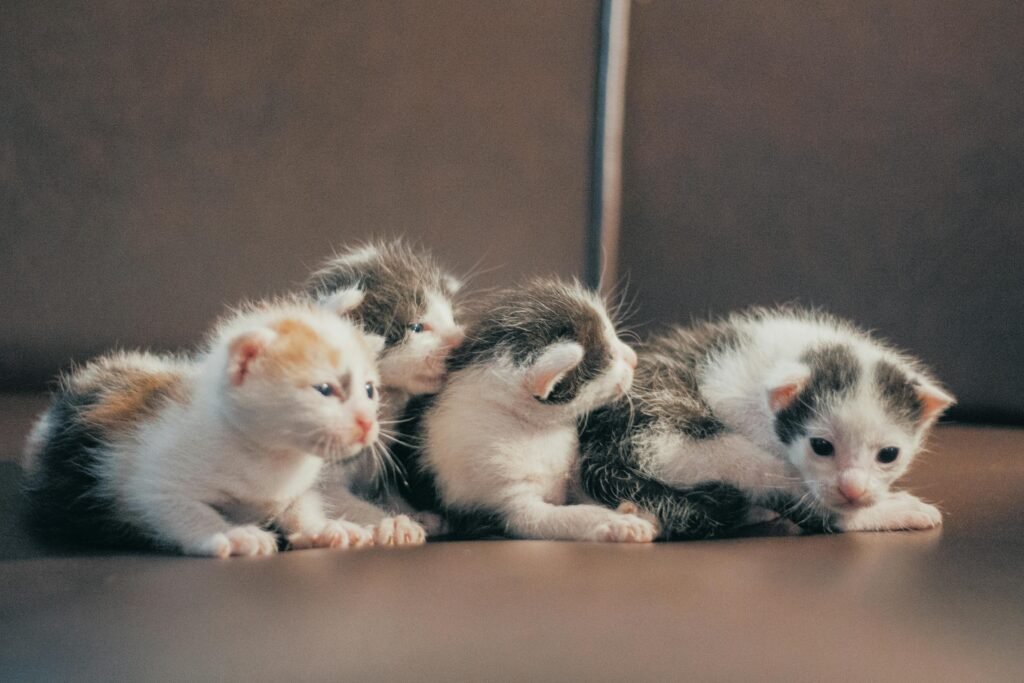
Understanding how many kittens cats produce over time helps with population planning. Cats can have multiple litters each year throughout their reproductive lives. The numbers add up quickly without proper management.
Kittens Per Year
Cats can have two to three litters per year. With an average of four kittens per litter, one cat produces eight to twelve kittens annually. Pregnancy lasts about two months, which allows for multiple cycles.
Female cats can enter heat again shortly after giving birth. This rapid cycling leads to continuous breeding without intervention. Indoor cats may breed year-round while outdoor cats follow seasonal patterns.
Kittens in a Lifetime
A single cat can produce over one hundred kittens in her lifetime. With breeding from six months to eight years, the numbers become staggering. Each litter of four to six kittens multiplies quickly across multiple years.
This reproductive capacity creates serious overpopulation problems. Responsible ownership includes spaying to prevent unwanted litters. Shelters overflow with kittens from uncontrolled breeding.
Time Between Litters
Cats can go into heat two to three weeks after delivering kittens. Even while nursing, females remain fertile and can conceive again. A cat can get pregnant again very quickly after giving birth, with the next heat occurring just a few weeks after kittens are born.
The mother’s body needs recovery time between pregnancies. Back-to-back litters strain her health and reduce kitten survival rates. Veterinarians recommend spacing pregnancies several months apart.
Breed-Specific Litter Sizes
Different breeds produce varying numbers of kittens per litter. Genetics play a major role in determining litter size. Some breeds consistently have larger litters, while others produce fewer kittens.
Bengal Cats
Bengal cats typically have average-sized litters. A study of Bengal breeders showed an average litter size of 4.2 kittens. These active cats maintain good reproductive health with proper care.
Their wild ancestry doesn’t significantly increase litter size. Nutrition and breeding practices affect Bengal litters like other breeds. Healthy Bengals produce four to six kittens per litter.
Calico Cats
Calico refers to coat color, not a specific breed. Litter size depends on the underlying breed genetics. Calico cats have the same average litter sizes as their base breed.
Most calicos produce four to six kittens per litter. Color genetics don’t influence reproductive capacity. Health and age remain the primary factors affecting litter numbers.
Maine Coon Cats
Maine Coons tend toward slightly larger litters. Maine Coon breeders often report litters of 3-5 kittens. Their larger body size supports carrying more kittens.
These gentle giants have robust reproductive systems. Proper nutrition helps Maine Coons carry larger litters successfully. Four to six kittens is typical for healthy Maine Coon mothers.
Persian Cats
Persian cats often have smaller litters than average. Their flat faces can cause breathing difficulties during pregnancy. Persian cats showed an average litter size of 4.2 kittens in breeding studies.
Health issues common to Persians affect reproduction. Proper veterinary care becomes especially important for this breed. Three to four kittens represent a typical Persian litter.
Ragdoll Cats
Ragdoll cats produce average to slightly larger litters. Their relaxed temperament and good health support successful pregnancies. Four to six kittens are common for Ragdoll mothers.
These large, docile cats handle pregnancy well. Good nutrition and veterinary care ensure healthy litters. Some Ragdolls produce up to seven kittens in exceptional cases.
Siamese Cats
Siamese cats typically have smaller litters. Siamese breeds typically have litter sizes ranging from 2 to 4 kittens. Their slender build may contribute to reduced litter capacity.
Genetics plays a significant role in Siamese reproduction. Three to four kittens represent a healthy Siamese litter. First-time Siamese mothers often have just two kittens.
Sphynx Cats
Sphynx cats produce small to average litters. Their lack of fur doesn’t affect reproductive capacity. Three to five kittens are typical for Sphynx mothers.
Health monitoring is important for hairless breeds. Temperature regulation affects pregnant Sphynx cats more than furred breeds. Proper environmental control ensures successful pregnancies.
Tabby Cats
Tabby describes coat pattern, not breed. Litter size depends on the cat’s actual breed genetics. Most tabby cats produce four to six kittens per litter.
Mixed-breed tabbies often have larger litters than purebred tabbies. Genetic diversity increases reproductive success. Five to seven kittens can occur in healthy mixed-breed tabbies.
Tortoiseshell Cats
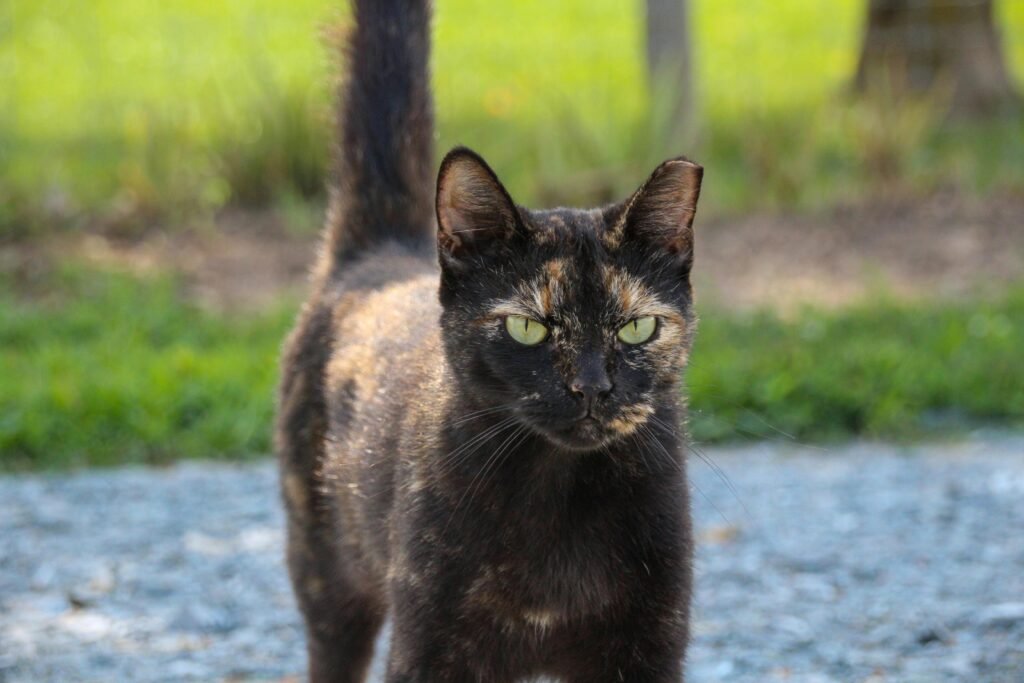
Tortoiseshell refers to coloring, not a specific breed. Like calicos, their litter size depends on the underlying breed. Average litters contain four to six kittens.
The genetics creating tortoiseshell coloring don’t impact reproduction. Health and breed determine actual litter numbers. Tortoiseshells follow the same patterns as their base breed.
Himalayan Cats
Himalayan cats share characteristics with Persians. Their litter sizes tend toward the smaller end. Three to four kittens represent a typical Himalayan litter.
Facial structure affects breathing during pregnancy. Extra veterinary attention ensures healthy outcomes. Some Himalayans produce five kittens, but smaller litters are more common.
Bombay Cats
Bombay cats produce average-sized litters. Four to five kittens are typical for this breed. Their generally good health supports successful pregnancies.
These compact, muscular cats handle reproduction well. Proper nutrition ensures healthy litter development. First-time Bombay mothers usually have three to four kittens.
Savannah Cats
Savannah cats have variable litter sizes. Their wild heritage creates unpredictability in reproduction. Two to four kittens are most common for Savannah mothers.
Breeding Savannahs requires specialized knowledge. Health screening becomes critical for successful pregnancies. Litter size decreases in higher-generation Savannahs.
Siberian Cats
Siberian cats produce average to larger litters. Their robust health and size support more kittens. Four to six kittens are typical for Siberian mothers.
These hardy cats have strong reproductive systems. Cold-climate adaptation doesn’t affect litter numbers. Proper care yields healthy, good-sized litters.
Tuxedo Cats
Tuxedo describes coat pattern, not breed genetics. Litter size depends on the cat’s actual breed. Most tuxedo cats have four to six kittens per litter.
Pattern genetics doesn’t influence reproductive capacity. Mixed-breed tuxedos often have larger litters. Health and nutrition remain the key factors.
Manx Cats
Manx cats can have smaller litters due to genetic issues. Their tailless gene sometimes affects reproduction. Three to four kittens are common for Manx mothers.
Genetic screening helps prevent complications. Some Manx litters include stillborn kittens. Veterinary monitoring throughout pregnancy ensures better outcomes.
Cat Type Variations
Different living situations affect cat reproduction. Feral, stray, and wild cats face unique challenges. Their litter sizes and survival rates differ from domestic house cats.
Feral Cats
Feral cats living outdoors have smaller average litters. Poor nutrition and harsh conditions reduce litter size. Three to four kittens is typical for feral mothers.
Kitten mortality rates are much higher in feral populations. Many kittens don’t survive to weaning. Disease and predators take a significant toll on feral litters.
Stray Cats
Stray cats recently lost from homes produce average litters initially. As their health declines outdoors, litter sizes decrease. Four to five kittens are common for newly stray mothers.
Access to food sources affects stray cat reproduction. Those finding regular meals maintain better litter sizes. Continued outdoor living eventually reduces their fertility.
Wild Cats
Wild cat species vary dramatically in litter size. Small wildcats may have two to three kittens. Larger wild species can produce four to six kittens per litter.
Wild cats breed less frequently than domestic cats. Seasonal patterns and prey availability control reproduction. Survival rates depend on habitat quality and food supply.
Predicting Litter Size
Knowing litter size ahead of time helps with preparation. Several methods exist for estimating how many kittens to expect. Accuracy varies depending on timing and technology used.
Can You Tell How Many Kittens a Cat Will Have
Ultrasound around three weeks can confirm pregnancy. Exact counts are difficult this early in gestation. X-rays two weeks before birth provide more accurate numbers.
Feeling the abdomen can detect kittens, but not count them accurately. Multiple kittens overlap, making individual counting difficult. Veterinary imaging gives the most reliable estimates.
Labor and Delivery Timing
Understanding labor timing helps you prepare for delivery. Most cats deliver their entire litter within six hours. Knowing what’s normal helps identify when intervention is needed.
The first kitten usually arrives within an hour of active labor starting. Subsequent kittens arrive every 30 to 60 minutes. Delays beyond two hours between kittens require veterinary attention.
FAQs
What is the most kittens a cat can have?
The record is 19 kittens in a single litter. Most cats have between 1 and 12 kittens per litter.
How many litters can a cat have in one year?
Cats can have 2 to 3 litters per year. Each pregnancy lasts about two months.
At what age do cats have the largest litters?
Cats aged 3 to 4 years produce the largest litters. Younger and older cats have fewer kittens.
Can a cat have kittens from different fathers?
Yes, cats can have kittens from multiple fathers in one litter. This happens when a cat mates with several males during heat.
How long should you wait between cat litters?
Allow at least 6 months to pass between litters. This allows the mother’s body to recover fully.