
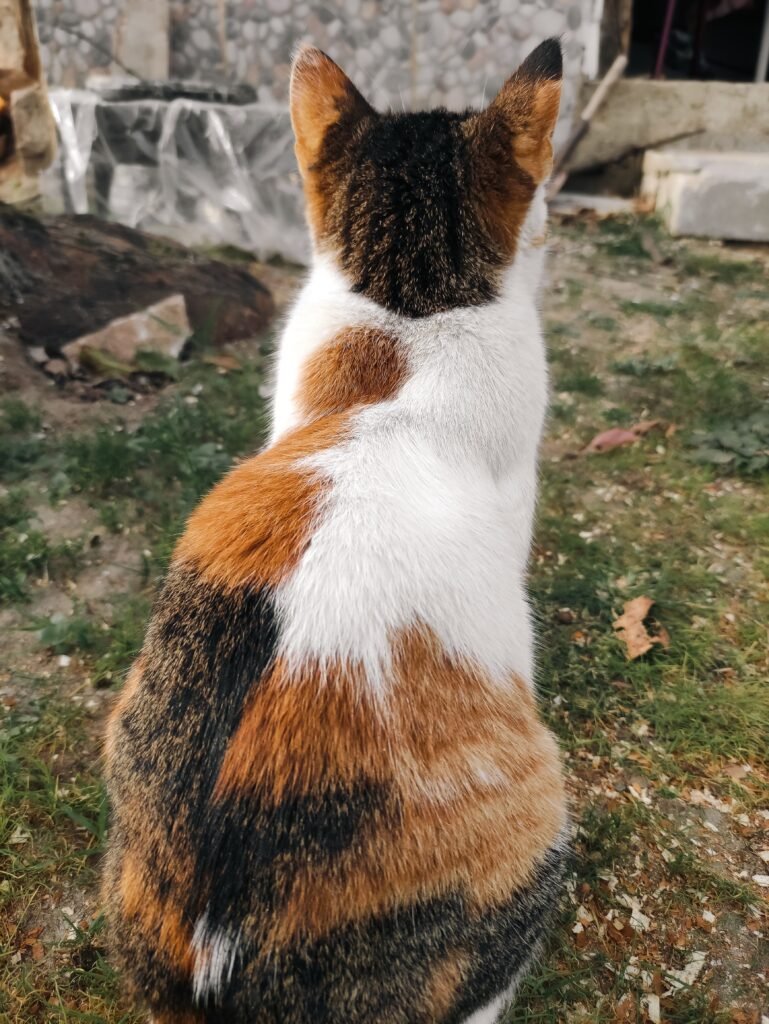
It’s a strange sight. Abruptly, as you stroke your happy cat, a ripple emerges beneath her fur and moves like a little wave down her back. She might turn to face her body, cringe, or even nip the spot.
When it happens for the first time, it might be frightening. But cats often have a rippling, twitching back, which is typically harmless. Most of the time, it’s just a normal reaction at work.
Sometimes, though, a back twitch might be a sign of something that needs to be checked out, such pain, itchy skin, or a nerve condition. It’s critical to understand which twitches are typical and which indicate your cat needs assistance.
From the benign skin reflex that produces that rippling wave to the medical causes and warning symptoms that suggest it’s time to consult a veterinarian, this tutorial explains why a cat’s back twitches.
Is a Twitching Back Normal?
For many cats, the occasional trembling of the back is quite normal. A fly, tickle, or stray contact are examples of somewhat annoying things that cause cats’ skin along their backs to naturally ripple.
Therefore, if your cat periodically twitches her back, especially when being handled, and she generally appears happy and relaxed, there is usually nothing to be concerned about. Her body is just reacting like it ought to.
Only when the activity occurs regularly, continues while she sleeps, or is accompanied by other symptoms like biting, scratching, or sensitivity does it become concerning. These patterns imply that the twitch is a symptom rather than merely a reflex.
Why Your Cat’s Back Ripples: The Muscle Behind It
That wave-like movement across the back is powered by a special, thin strip of muscle. Cats have a layer called the cutaneous trunci just underneath the skin on their back, and its only purpose is to twitch the skin.
In the wild, this response is quite beneficial. A quick ripple can flick off a landing insect or debris without the cat even turning its head, which is why you frequently see the back twitch in response to a fly or a small touch.
Knowing this aids in the explanation of the behavior. The rippling skin is normal in and of itself; what counts is whether something is making it occur more frequently than it should, which is where the following considerations are relevant.
Common Reasons a Cat’s Back Twitches
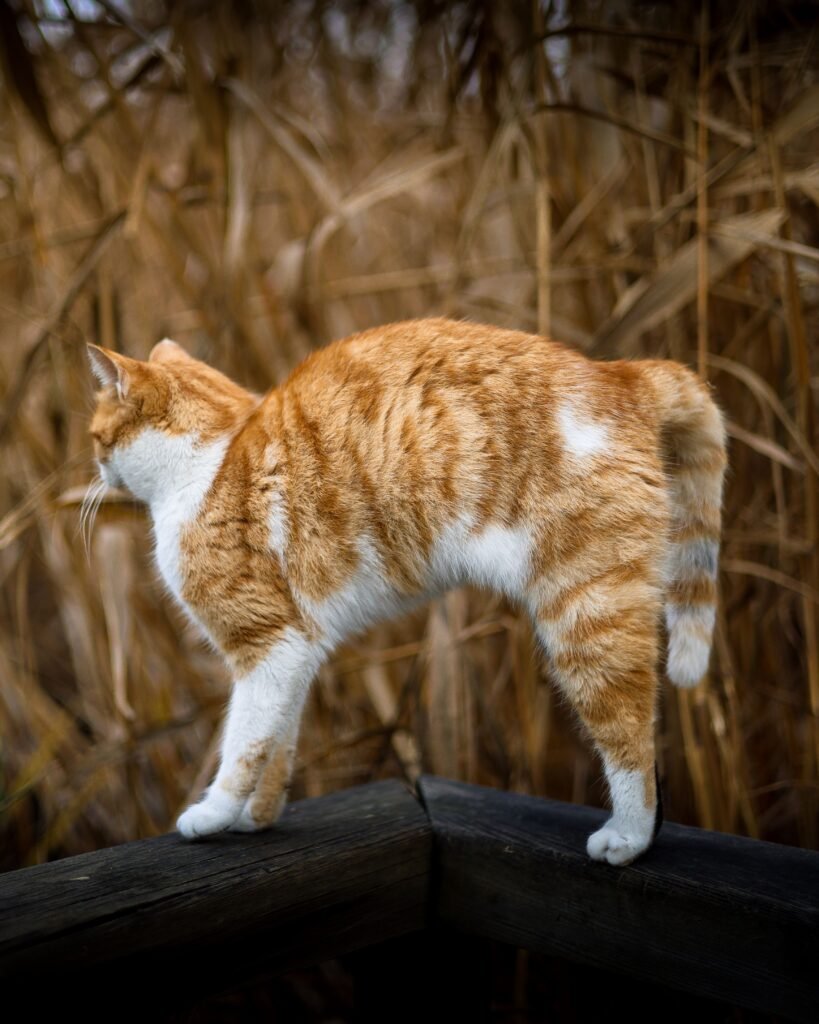
When back twitching goes beyond the fleeting fly-shooing wave, it usually has a few causes. They include itching skin and nerve issues. These are the most popular explanations, along with suggestions that support each.
Feline Hyperesthesia Syndrome
Given that it affects that area, feline hyperesthesia syndrome is the condition most frequently associated with a twitching back. It was initially documented in a veterinary report in 1980 and is still only partially understood. Twitchy cat illness or rolling skin are some names for it.
It is hard to disregard the warning indications during an episode. The skin along the lower back rolls or ripples, the pupils often enlarge, the cat may suddenly groom, bite, or chase its own tail, and it may occasionally dash across the room or make noises.
According to the EveryCat Health Foundation, these cats display a variety of symptoms, such as tail biting, skin ripples, insane running, and obsessive self-grooming.
Even though touching the lower back often triggers one, episodes are usually brief and may have no obvious explanation.
Because the origin is uncertain and overlaps with skin, nerve, and behavioral issues, a veterinarian treats it rather than curing it entirely.
Fleas, Allergies, and Itchy Skin
Itching is one of the most common and frequently ignored causes of back twitches. Because fleas prefer the lower back and the base of the tail, even a single bite can produce intense itching and twitching in a cat that is susceptible to them.
Cats can eliminate the evidence of fleas, so just because you don’t see any doesn’t mean they aren’t there. Mites, dietary sensitivities, and environmental allergies can also aggravate the same location. Red skin, small, crusty pimples, scabs, hair loss, or persistent scratching down the back can all be signs of a skin issue that requires veterinary care.
Pain, Injury, or Spine Problems
Another silent sign of discomfort could be a jerking back. A pulled muscle, an old injury, arthritis in the spine, or a problem with the disks along the back can all cause small, repetitive muscular movements.
Twitching may be one of the few signs you receive from cats because they are adept at hiding discomfort.Other indicators include a stooped posture, reluctance to jump, decreased activity, or flinching when you touch the back. See a vet if the twitching began after a fall or rough play.
Stress and Overstimulation
Not all twitches are physical. Stress, excitement, and simple overstimulation can make a cat’s back twitch, especially during a prolonged petting session that goes on a beat too long.
Big changes like a new pet, a move, unusual visitors, or loud noises can put a cat on edge, and that stress may show up as twitching. When the cat calms down and the stressor is eliminated, the twitch typically stops in these situations.
Why Does My Cat’s Back Twitch When I Touch It?
One of the most common triggers is touch, which is important to understand on its own. Some cats can get their skin to ripple with a simple touch along their lower back.
That touch can easily go from enjoyable to excessive in a cat with hyperesthesia or simple overstimulation. When you pet a particular area, your cat will clearly ask you to stop if they twitch, tighten, turn toward your hand, or try to move away.
A calm cat will swat or bite if they ignore that warning. Lifting your hand, giving her some space, and waiting for the reaction to subside before attempting again if at all is the most compassionate course of action.
When Twitching Comes With Licking or Biting
Constant licking or biting combined with twitching typically indicates that your cat’s skin or nerves are bothering them. She’s doing everything she can to relieve an itch or discomfort.
This combination can look like hyperesthesia, which is also common with fleas, allergies, or other irritants and often causes cats to overgroom the flanks, lower back, and tail. The fur may eventually be worn away by all that licking and chewing, leaving the skin hairless or painful.
Don’t wait it out if your cat consistently targets the same area, especially if it starts to appear thin or raw. Regular overgrooming is a good indicator that a veterinarian should examine it.
How Often Is Too Often?
One of your best indicators is how often the twitching happens. Twitching that occurs multiple times a day is entirely different than an occasional ripple during an extended snuggle.
Usually, a cat that only twitches when overstimulated is simply responding to too much petting or excitement, so there’s nothing to be concerned about. Twitching that persists even while your cat sleeps calmly can indicate a persistent problem, such as skin irritation, pain, or a nerve ailment.
Generally speaking, the more frequently it occurs, the more severe it becomes, or the more it coexists with other strange behavior, the greater the need to have it examined.
When to See the Vet, and What to Note
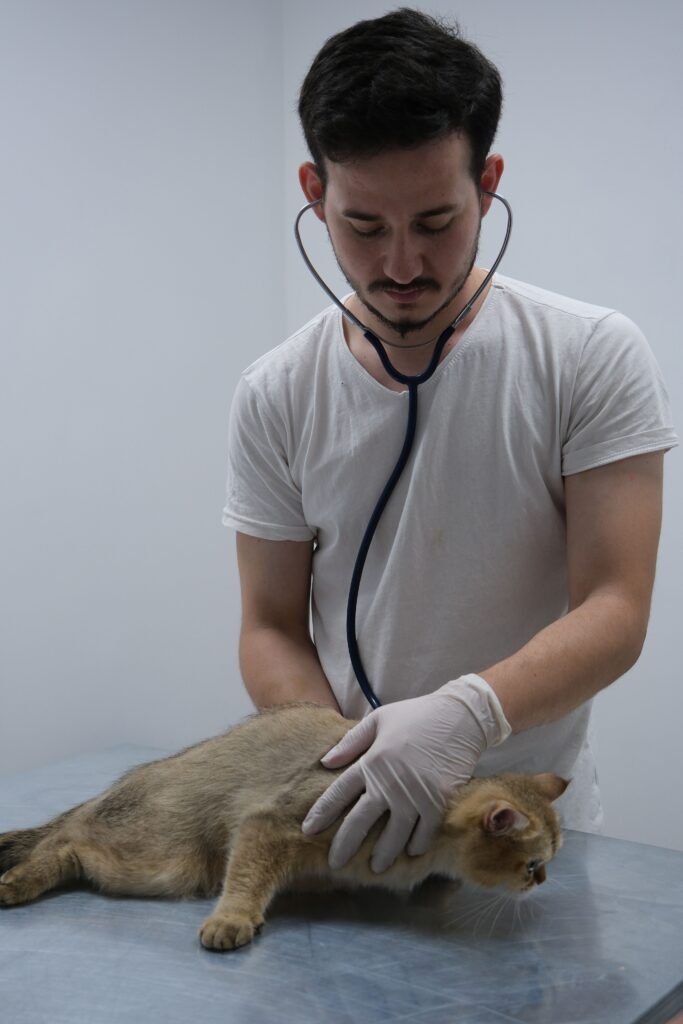
Rarely does a generally content cat need to see a veterinarian for a little back twitching. However, it helps to know what to watch for, because some trends are worth acting on.
Make an appointment if your cat exhibits frequent or worsening twitching, if it is accompanied by persistent licking, biting, scratching, scabs, or bald patches, or if it reacts to touch with genuine discomfort or hostility. That list also includes indicators of pain, such as a bent back or avoiding jumps.
Make a note of some information that will benefit your veterinarian before the visit. Track when the twitching occurs, how long each episode lasts, what appears to trigger it, and whether any skin or grooming changes accompany it.
Since the twitching rarely occurs on cue in the medical room, a brief phone video of an incident is frequently more helpful than any description.
Frequently Asked Questions
Is it normal for a cat’s back to twitch?
Yes, most of the time. To repel insects or tickles, cats have a cutaneous response that causes their backs to ripple. Take it seriously only if it happens frequently or is accompanied by discomfort, biting, or scratching.
Why does my cat’s back twitch when I pet her?
The skin-rippling reflex can be triggered by a light touch along the lower back, or it can tip an overstimulated cat over the edge. Stop caressing that area if she twitches and tries to get away.
What is the rippling skin on my cat’s back?
That wave is the twitching of a thin muscle beneath the skin, frequently as a natural reflex. However, feline hyperesthesia syndrome may be indicated by strong, recurrent rippling accompanied by strange behavior.
Can fleas make a cat’s back twitch?
Indeed, rather frequently. Fleas and flea allergies can irritate the lower back and tail base, causing twitching and chewing. Because cats groom fleas away, you might not see them.
My cat twitches and licks her back constantly. Should I worry?
Yes, a visit to the veterinarian is worthwhile. In addition to hair loss and raw skin, persistent licking or biting of the back typically indicates itching, pain, or hyperesthesia.
When is back twitching an emergency?
Twitching alone is rarely harmful, but if it is accompanied by excruciating pain, self-harm from biting, or abrupt changes like weakness or difficulty moving, consult a veterinarian right away.
Reading the Ripple
A twitching back is typically simply your cat being a cat. When you flick off a fly or react to a touch, a thin muscle beneath the skin ripples; these movements result from typical, healthy reflexes.
When the behavior changes, it merits closer examination. Feline hyperesthesia, itchy skin, and discomfort are common suspicions when twitching occurs frequently, persists while your cat sleeps, or is accompanied by licking, biting, scratching, or signs of distress.
When in doubt, look closely at the whole image and record your observations. A calm cat that occasionally ripples is OK, but a cat that is obviously agitated by its own back needs to see a veterinarian to determine the cause.
Pingback: Why Is My Cat Twitching While Awake? - Eachpetscare