
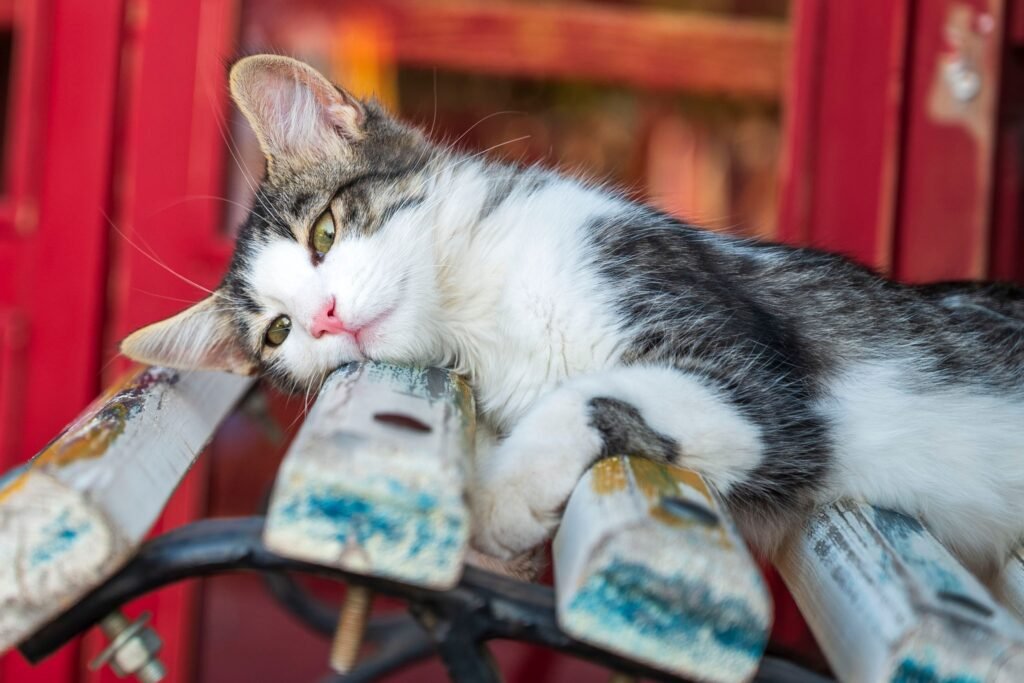
Every cat owner has faced that moment of dread by the litter box. You switched to wet food, or maybe you just fed a bit extra, and now something looks wrong.
The instinct is to blame the can. Wet food gets pointed at often, partly because it’s easy to spot as the newest thing in the bowl.
But the truth sits in a gray area. Wet food itself is not the enemy, yet under certain conditions it absolutely can trigger loose stools.
What actually matters is why the upset happened in the first place. A cat fed too much, switched too fast, or sensitive to certain ingredients will react very differently from one with a totally unrelated gut issue.
This article breaks down every real reason wet food gets blamed for diarrhea, how long the mess usually lasts, and what to feed once things settle.
Can Wet Food Cause Diarrhea in Cats
Yes, wet food can cause diarrhea in cats, but it usually happens for a specific, identifiable reason rather than at random.
It is rarely the wet format itself that upsets a cat’s stomach. Instead, the trouble tends to come from how much is fed, how quickly it was introduced, or what is actually inside the can.
There is also a life-stage factor worth noting early. Young kittens react to wet food differently than grown cats do, simply because their digestive tracts are still developing.
The four sections below walk through each of these triggers on their own, so you can figure out which one actually matches your cat’s situation.
Overfeeding or Too Much Wet Food
A cat’s stomach can only process so much food at once, and wet food adds extra water on top of that volume.
Feeding more than your cat’s usual portion, or adding wet food as a topper without trimming anything else, pushes the digestive system past its normal load.
When food moves through the gut faster than it can be broken down, water isn’t absorbed properly. That is what turns a normal stool into a loose one.
This tends to show up within a few hours of the oversized meal, and it usually clears once portions return to normal. It is one of the simplest causes to fix, since nothing about the food itself needs to change.
Sudden Diet Change or New Food Introduction
Cats carry a delicate balance of gut bacteria that is tuned to whatever they have been eating regularly.
Introducing a brand-new wet food overnight, without blending it into the old diet first, throws that balance off before the gut has time to adjust.
According to guidance from Purina’s nutrition team, a gradual transition spread across seven to ten days gives the gut bacteria enough time to shift without causing distress.
Skipping that window is one of the most common reasons owners report diarrhea right after opening a new can, even when the food itself is high quality and appropriate for the cat.
Food Sensitivity, Allergies, or Poor-Quality Ingredients
Some cats react poorly to specific proteins, such as beef or dairy-based fillers, even when the rest of the formula suits them fine.
Lower-quality wet foods sometimes rely on cheap binders, excess gravy thickeners, or vague “meat by-product” sources that are harder for a sensitive gut to break down.
Unlike overfeeding or a rushed transition, this kind of diarrhea does not always clear up on its own. It can return every time that same ingredient shows up in the bowl.
Watching for patterns matters here. If diarrhea follows a particular flavor or brand consistently, an ingredient sensitivity is a more likely explanation than a one-off digestive hiccup.
Kittens’ Immature Digestive Systems
Wet food can cause diarrhea in kittens more easily than in adult cats, and the reason comes down to development rather than the food itself.
A kitten’s gut lining and digestive enzymes are still maturing during the first several months of life, which makes the whole system less forgiving of change.
Cornell’s Feline Health Center notes that kittens carry a higher risk of loose stools simply because their digestive tracts are still adjusting to solid food in general.
Because kittens dehydrate much faster than adult cats during a bout of diarrhea, any episode lasting more than a few hours in a young kitten deserves closer attention than the same episode would in an adult.
How Long After Wet Cat Food Does a Cat Usually Stop Having Diarrhea?
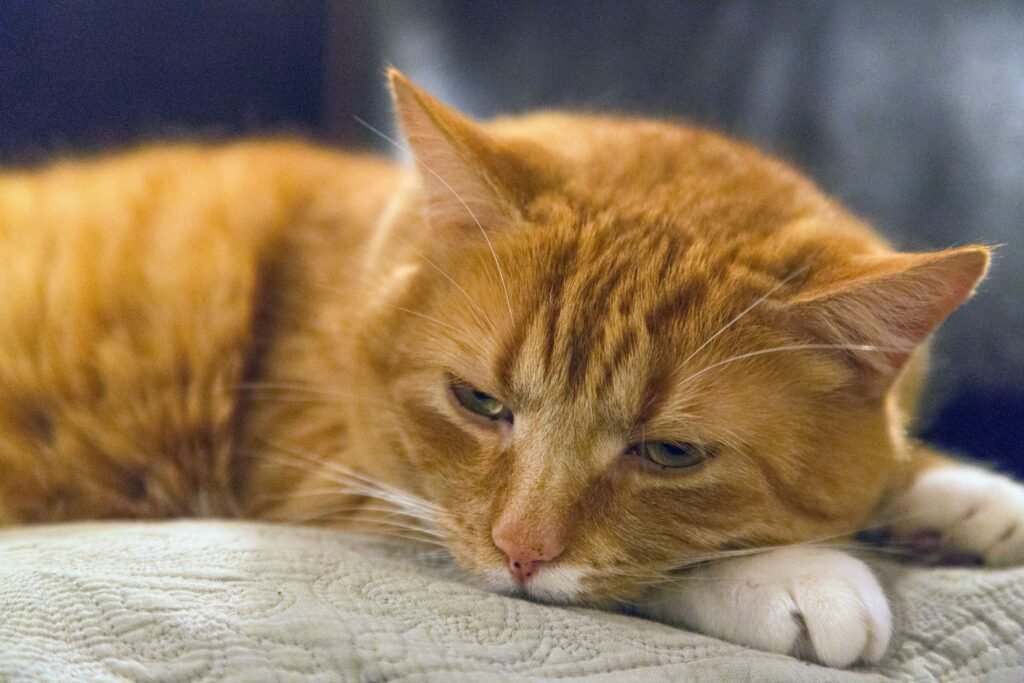
Diet-related diarrhea in an otherwise healthy adult cat typically clears within 24 to 48 hours once the trigger stops.
If the cause was overfeeding, symptoms often resolve within a single day, since the excess simply needs to pass through the system.
Diarrhea tied to a diet switch or an ingredient sensitivity can take longer, sometimes stretching close to that two-day mark while the gut settles back into rhythm.
Cornell’s Feline Health Center advises that if diarrhea continues beyond a day or two, especially alongside poor appetite, lethargy, or vomiting, it is time to involve a veterinarian rather than wait it out.
Diarrhea that drags on well past 48 hours, or that returns repeatedly, usually points to something beyond simple diet trouble, such as a parasite or an underlying illness.
Should You Stop Wet Food If Your Cat Has Diarrhea
Stopping wet food entirely is not always the right first move, and doing so can sometimes make things harder to sort out.
If overfeeding is the likely cause, the better fix is simply trimming the portion back to normal rather than removing wet food altogether.
When a new food or flavor was just introduced, slowing the transition, or briefly returning to the previous food, often solves the problem faster than cutting wet food out completely.
The exception is a suspected ingredient reaction. In that case, pausing the specific product that seems to be causing trouble makes sense while you watch for improvement.
Total removal only becomes necessary if a veterinarian recommends a bland or prescription diet to calm the gut during recovery.
Is Wet Food Good for Cats With Diarrhea?
Once you’ve ruled out wet food as the direct trigger, keeping it in the diet can actually support recovery rather than hinder it.
Diarrhea pulls water out of the body fast, and wet food’s high moisture content helps offset some of that fluid loss naturally through eating.
Its soft texture also tends to be gentler on an irritated gut than dry kibble, which requires more mechanical digestion and can feel heavier on a sensitive stomach.
For cats that are reluctant to drink extra water on their own, wet food becomes a quiet, low-stress way to keep hydration levels up while the digestive system recovers.
What Wet Cat Food Is Best for Diarrhea?
During recovery, the goal is a formula that is gentle, simple, and easy for the gut to process without extra strain.
Look for wet food with these qualities while a cat is recovering from diarrhea:
- A single, easily digestible protein source, such as chicken or turkey
- Minimal fillers, gravies, or thickening agents that can irritate the gut
- No unfamiliar or exotic proteins the cat hasn’t eaten before
- Limited-ingredient formulas designed for sensitive digestion
- Smooth pate texture rather than chunks in heavy sauce
Formulas built around fewer ingredients give the digestive tract less to sort through, which tends to shorten recovery time compared to rich, multi-ingredient recipes.
Once stools return to normal for a few days, you can gradually shift back toward your cat’s regular food using the same slow transition approach described earlier.
Is Dry or Wet Food Better for Cats With Diarrhea
For a cat recovering from diarrhea, wet food generally has the edge over dry kibble because of its moisture content and softer digestion demands.
Dry food requires more water intake from the cat to compensate, and a cat already losing fluids through diarrhea may not drink enough to keep up.
That said, dry food isn’t off the table entirely, and some vets recommend a bland mix of both depending on the underlying cause. For most cases tied to overfeeding, transition speed, or mild sensitivity, wet food remains the more supportive choice while the gut heals.
Matching the Right Response to the Real Cause of Your Cat’s Diarrhea
The honest answer to whether wet food causes diarrhea always circles back to one thing: identifying which trigger is actually at play.
Overfeeding calls for smaller portions. A rushed diet switch calls for a slower transition. A true ingredient sensitivity calls for switching formulas entirely, not just cutting back.
Kittens deserve extra caution given how fast dehydration can set in, while adult cats generally have more room to recover on their own within a day or two.
Watching the pattern, the timing, and how your cat responds tells you far more than the can itself ever could. That pattern is what should guide your next move, not a blanket decision to avoid wet food altogether.