
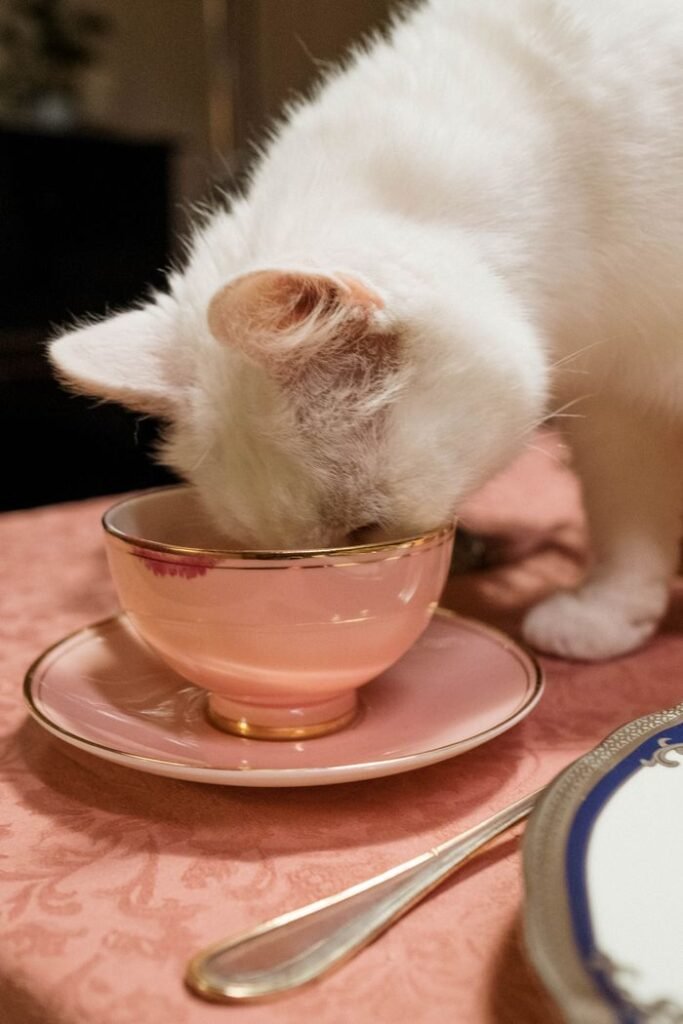
Picking a can of cat food should feel simple. Walk into any pet store, though, and the wall of options makes that first bite of confidence disappear fast.
Part of the trouble is that “best” isn’t one fixed answer. A food that keeps a lean, active six-year-old cat thriving might do very little for a kitten still building muscle, or a senior cat with kidney strain, or a cat that can’t stomach anything rich.
That’s the real story behind this question. The right wet food depends on the cat eating it, not on whatever brand has the flashiest label.
This guide walks through what matters at every life stage, for common health conditions, for specific breeds, and for everyday situations like picky eating or tight budgets. By the end, you’ll know exactly what to look for on the label instead of guessing.
What Is the Best Wet Cat Food for Cats
A genuinely good wet food starts with protein from a named animal source, listed first on the ingredient panel.
Chicken, turkey, salmon, and beef all qualify. Vague terms like “meat by-product” or “animal digest” do not give you the same clarity about what’s actually in the can.
Moisture matters too, and wet food already has an advantage here. Canned food typically runs 75 to 80% water, which mirrors what a cat would get from prey in the wild and supports hydration far better than dry kibble ever could.
Beyond protein and moisture, look for a complete amino acid profile, including taurine, and minimal fillers such as corn syrup or excessive plant starches. A cat is a strict carnivore, and its food should reflect that reality.
What Is the Best Wet Cat Food for Kittens?
Kittens grow at a pace that makes their nutrient needs completely different from an adult cat’s, even within the same species.
Protein and Fat Needs Are Higher
Growing kittens require noticeably more protein than adult cats do. According to AAFCO’s nutrient standards, food formulated for growth must contain at least 30% protein on a dry matter basis, well above the amount adult maintenance diets require.
Fat matters just as much. Kittens burn through energy constantly while they play, explore, and build muscle, so a calorie-dense formula keeps up with that pace without forcing oversized portions.
Texture and Label Details to Check
A kitten formula should carry a “growth” or “all life stages” label, never an adult maintenance one. The texture also matters, since a smooth pate or fine mousse suits small mouths and still-developing teeth far better than large chunks in gravy.
DHA and taurine deserve attention, too. DHA supports brain and eye development, and taurine is an amino acid cats cannot produce on their own, so kitten formulas typically include extra amounts of both.
What Is the Best Wet Cat Food for Senior Cats?
Older cats chew, digest, and often move differently, so their food should be adjusted accordingly.
Texture becomes more important with age. A softer pate is easier on cats with worn or missing teeth and goes down more easily for cats that have started eating more slowly.
Joint support is another priority worth checking for. Formulas containing glucosamine and chondroitin, along with omega-3 fatty acids, can help ease the stiffness that comes with aging.
Digestion tends to slow down, too, so senior formulas often lean on easily digestible proteins and modest fiber levels. This combination helps nutrients absorb properly without causing stomach upset.
One clarification is important here: AAFCO does not maintain a separate nutrient profile for senior cats, so “senior” formulas are shaped by practical factors rather than a fixed government standard. That’s exactly why checking the actual ingredient and nutrient details matters more than trusting the word “senior” on the label alone.
What Is the Best Wet Cat Food for Kidney Disease?

Chronic kidney disease is common in older cats, and diet plays a real, evidence-backed role in slowing it down.
The two nutrients to watch closely are phosphorus and protein. As the Cornell Feline Health Center explains, therapeutic diets restricted in protein, phosphorus, and sodium, and enriched with water-soluble vitamins and antioxidants, may extend both lifespan and quality of life in cats with this condition.
Phosphorus restriction is the piece with the strongest research behind it. Diseased kidneys struggle to filter phosphorus properly, and letting levels build up in the blood accelerates damage over time, so renal-support formulas are built specifically to keep that mineral low.
Protein reduction is more nuanced than it sounds. Because phosphorus is tied closely to protein content in most ingredients, some protein reduction is often necessary to hit target phosphorus levels, but cutting protein too far risks muscle wasting in a cat that’s already unwell.
This is precisely why a vet’s guidance carries so much weight here. Kidney disease has stages, and the right balance of restriction shifts depending on how advanced the condition is, something a blood panel can reveal far better than a label ever could.
What is the Best Wet Cat Food for a diabetic cat?
Diabetes management in cats leans hard on one dietary principle: cut the carbs, raise the protein.
Veterinary guidelines from the American Animal Hospital Association recommend that at least 40% of a diabetic cat’s diet come from protein. In comparison, carbohydrates are limited to roughly 12% or less of total energy. Some specialists push that carb ceiling even lower for tighter blood sugar control.
Wet food naturally fits this need better than dry kibble does. Canned formulas are typically far lower in carbohydrate content since they don’t rely on starch to hold their shape the way kibble does, making them the more practical everyday choice for a diabetic cat.
Gravy-style wet foods deserve a second look before buying, since some gravies contain added starches or sugars that can undermine blood sugar stability. A plain pate or formula in broth is generally the safer default.
Because insulin dosing is tied directly to what a cat eats, any diet change for a diabetic cat should happen alongside a veterinarian, not as a solo experiment.
What Is the Best Wet Cat Food for Urinary Health?
Urinary tract issues in cats often trace back to two culprits: not enough water and too much of certain minerals.
Moisture is the single biggest lever here. Wet food’s naturally high water content helps dilute urine and encourages more frequent urination, both of which lower the odds of crystals forming in the first place.
Magnesium and phosphorus are the minerals to watch most closely, since they’re the primary building blocks of struvite crystals, which are among the most common urinary problems in cats. Formulas designed for urinary support keep both minerals at controlled, lower levels.
Urine pH also plays a role worth understanding. A slightly acidic pH, generally in the 6.0 to 6.5 range, tends to discourage struvite formation, and many urinary-support wet foods are formulated with that target pH in mind.
This is a distinct concern from kidney disease, even though both involve the urinary system. Kidney formulas focus on filtering capacity and blood phosphorus buildup, while urinary-health formulas focus on mineral balance and crystal prevention in the bladder itself.
What Is the Best Wet Cat Food for a Sensitive Stomach?
A cat that vomits often or seems queasy after eating usually needs a simpler diet rather than variety.
Limited-ingredient formulas work well here because fewer components mean fewer chances of causing gut irritation. A single protein source, like just chicken or just salmon, is easier to pinpoint if a reaction does happen.
Highly digestible proteins matter just as much as fewer ingredients. Novel proteins, such as rabbit or duck, sometimes help too, especially for cats that seem sensitive to more common options like beef or dairy-based fillers.
Gradual transitions matter more than the food itself in many cases. Even a high-quality formula can trigger vomiting if it’s swapped in overnight instead of blended in slowly over a week or two.
What Is the Best Wet Cat Food for Constipation?
Constipation calls for a narrower fix than general stomach sensitivity: specifically, more fiber and more moisture.
Added fiber, often from pumpkin or psyllium husk, helps move things along by adding bulk and encouraging regular bowel movements. Many wet foods marketed for digestive support include one of these ingredients directly.
Moisture does double duty here. Since wet food already contains far more water than kibble, it softens stool naturally and reduces the strain associated with drier, more concentrated waste.
Fat content is worth a glance too, since a diet too low in fat can sometimes worsen sluggish digestion. A moderate fat level, paired with fiber and moisture, tends to produce the best results for regularity.
What Is the Best Wet Food for Cats With Asthma?
Feline asthma is a respiratory condition, and diet plays a smaller but still meaningful supporting role in managing it.
Low-dust formulas matter more with dry food than wet. Still, even canned food can contain allergenic additives to avoid, like artificial dyes or strong preservatives that some sensitive cats react to.
Grain-free formulas sometimes help cats whose asthma flares alongside food sensitivities, though this connection varies a lot from cat to cat and isn’t universal.
Hypoallergenic, limited-ingredient wet foods are worth considering if a vet suspects an environmental or food allergy is contributing to flare-ups. Reducing overall inflammatory triggers, including dietary ones, can support whatever respiratory treatment plan a vet has already put in place.
What Is the Best Wet Cat Food for Weight Gain?
An underweight cat needs food that packs more energy into every bite, not just more food overall.
Calorie density is the main thing to check. A formula with a higher fat percentage and rich, meat-forward ingredients delivers more energy per can, helping an underweight cat gain weight without requiring unrealistic portion sizes.
Protein still needs to stay high even while chasing weight gain, since the goal is to build lean muscle mass, not just add fat. Formulas built for kittens or highly active cats often work well here because of their calorie-dense profile.
Palatability becomes especially important, too, since underweight cats sometimes get that way from poor appetite in the first place. A rich, aromatic formula can help coax a reluctant eater into finishing a full meal.
What Is the Best Wet Cat Food for Weight Loss?
Weight loss works in the opposite direction: fewer calories, but still enough protein to protect muscle, while fat comes off.
Lower-calorie formulas, often labeled “light” or “weight management,” reduce fat content while keeping protein relatively high. This combination helps a cat feel satisfied without piling on unnecessary calories.
High protein matters more than it might seem here, since a cat losing weight too fast, or on too little protein, risks losing muscle instead of just fat. Steady, gradual loss protects lean mass far better than a crash approach.
Portion control still plays a bigger role than the food label alone. Even a well-formulated weight-loss food can stall progress if the daily amount fed isn’t adjusted to match the actual calorie needs of that specific cat.
What Is the Best Wet Cat Food for Indoor Cats?
Indoor cats live a different pace of life than outdoor ones, and that difference shows up clearly in what they should eat.
Lower activity levels mean indoor cats generally need fewer calories than cats that spend hours outside hunting, climbing, and patrolling their territory. A calorie-dense formula meant for an active outdoor cat can lead to slow, steady weight gain indoors.
Hairball control is the other major consideration, since indoor cats groom frequently, out of boredom as much as out of instinct. Formulas with added fiber help hair pass through the digestive tract more easily, rather than building up into hairballs.
This is purely a lifestyle consideration, distinct from any health condition. A perfectly healthy indoor cat can still benefit from a formula built around lower activity and more frequent grooming.
What Is the Best Wet Cat Food for Picky Eaters?
A picky eater rarely has a nutrition problem. What they usually have is a texture or smell they don’t like.
Aroma tends to matter more to cats than flavor does to humans. Warming food slightly before serving often releases more aroma and can turn a rejected meal into one that’s eaten.
Texture variety is worth experimenting with, too. Some cats prefer smooth pate; others want shredded pieces in gravy. A cat that’s been consistently refusing one texture might need the other.
- Rotate between two or three trusted proteins to prevent boredom without full diet changes.
- Serve food at room temperature rather than straight from the fridge.
- Try broth-based formulas for cats that seem to want a more liquid texture.
- Avoid switching brands entirely too often, since novelty can backfire into more pickiness.
Choosing by Breed: Maine Coon and Ragdoll Considerations
Most cats do fine on food matched to life stage and health alone, but a handful of breeds carry traits that call for a bit more thought.
Large, long-haired breeds in particular tend to have different calorie needs, growth timelines, or coat-related digestive quirks than an average shorthair cat. Maine Coons and Ragdolls are two of the most common examples that pet owners ask about.
What Is the Best Wet Cat Food for Maine Cones?
Maine Coons are among the largest domestic cat breeds, with males often weighing up to 18 pounds, and that size substantially changes their nutritional needs.
Calorie needs run higher than average. Adult Maine Coons typically need somewhere around 20 to 35 calories per pound of body weight daily, noticeably more than a smaller breed of the same age would require.
Joint support deserves real attention, too, since Maine Coons are prone to hip dysplasia given their size and frame. Formulas with added glucosamine, chondroitin, and omega-3 fatty acids help support cartilage health over the long run.
Their growth period is longer than that of most breeds, often not reaching full size until three to five years old. Because of this, many Maine Coons benefit from staying on kitten or growth formulas well past the age when a typical cat would switch to adult food.
What Is the Best Wet Food for Ragdoll Cats?
Ragdolls carry a thick, semi-long coat and a famously relaxed, low-energy temperament, both of which shape what their food should prioritize.
Coat health calls for adequate levels of omega-3 and omega-6 fatty acids, which support skin condition and help keep that dense coat from matting or looking dull. Fish-based wet foods are a common way to naturally increase intake of these fatty acids.
Their laid-back nature also means Ragdolls tend to burn fewer calories than more active breeds, so portion control is important to avoid gradual weight creep over time. A moderate-calorie formula usually fits better than a high-energy one built for active cats.
Digestive sensitivity shows up in some Ragdolls too, making a simpler ingredient list a smart default rather than something to address only after problems appear.
What Is the Best Grain-Free Wet Food for Cats?
Grain-free wet food removes ingredients like wheat, corn, and rice, replacing them with alternatives such as peas, potatoes, or extra animal protein.
This choice matters most for cats with a diagnosed grain allergy or sensitivity, which can show up as symptoms such as itchy skin, digestive upset, or chronic ear infections that improve once grains are removed.
It’s worth being clear that grain-free isn’t automatically healthier for every cat. Most cats digest grains without any issue at all, and a well-formulated grain-inclusive food can be just as nutritious as a grain-free one.
The decision really comes down to individual tolerance rather than a blanket rule. If a cat shows no signs of grain sensitivity, choosing grain-free is more of a personal preference than a medical necessity.
What Is the Best Wet Cat Food for Price?
Good nutrition doesn’t always require the priciest can on the shelf, but it does require looking past the price tag alone.
Mid-range formulas, typically priced a bit above supermarket store brands, often deliver real animal protein and balanced nutrients without the premium cost of boutique or prescription-only lines. This tier tends to offer the strongest value for a healthy adult cat.
Budget formulas can still work fine for cats without special health needs, as long as the ingredient list checks out with a named protein source listed first. What to watch for is excessive filler content, which sometimes shows up more in the cheapest options.
Premium and prescription formulas command higher prices due to targeted health support, such as formulas for kidney or urinary health. That added cost is generally justified only when a specific condition calls for it.
What Is the Best Wet Food Brand for Cats?
Brand reputation says less about nutrition itself and more about consistency, safety, and transparency behind the scenes.
A few signals are worth checking before trusting any brand. Whether they own and operate their manufacturing facilities, whether they publish clear sourcing information, and how they’ve handled past recalls, if any occurred.
- Look for brands with in-house quality control rather than fully outsourced manufacturing.
- Check the recall history and how transparently the company communicated about it.
- Favor brands that publish full nutrient analysis, not just guaranteed minimums
- Notice whether a veterinary nutritionist is involved in formulating their recipes.
This isn’t about chasing one “best” brand name, since strong options exist across multiple price tiers. It’s about knowing what separates a trustworthy company from one cutting corners.
What Is the Best Food for Cats: Dry or Wet
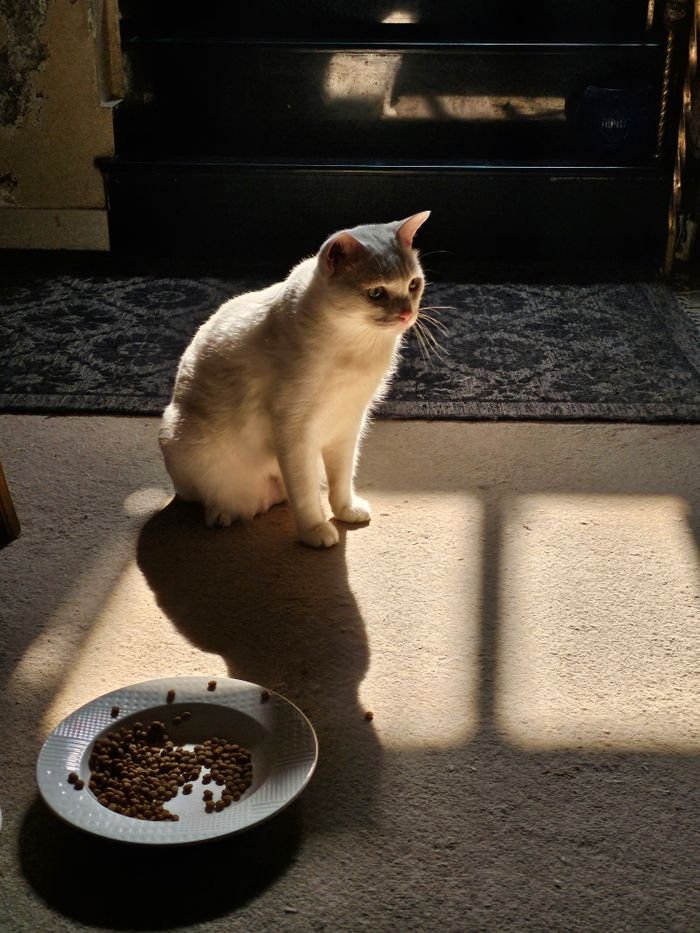
This question sits just outside the wet-food focus of this guide, but it comes up often enough to deserve a short answer.
Wet food wins on moisture and protein concentration, both of which align closely with a cat’s natural biology as an obligate carnivore that gets most of its water from prey rather than drinking bowls.
Dry food wins on convenience and cost, since it doesn’t spoil quickly once opened and typically costs less per calorie than canned options.
Many veterinarians land on a middle ground: wet food as the primary diet, with dry food used sparingly if at all, especially for cats prone to urinary or kidney issues, where hydration carries real weight.
Matching Wet Cat Food to Your Cat’s Unique Needs
There’s no single can that earns the title of “best” for every cat, and by now that should feel less like a frustrating answer and more like the honest one.
A kitten’s growth needs look nothing like a senior cat’s joint support needs. A diabetic cat’s low-carb requirement has almost nothing in common with a Maine Coon’s calorie demands. Even two healthy adult cats of the same breed might do best on different formulas simply because one has a sensitive stomach and the other doesn’t.
The real skill in choosing wet cat food isn’t memorizing one perfect brand. It’s learning to read a label with the right questions in mind: What life stage is this built for? What health condition, if any, does it target? Do the protein source, moisture level, and calorie density actually match this specific cat?
Start there, check in with a veterinarian when a health condition is involved, and the right can become a lot easier to spot on a crowded shelf.