
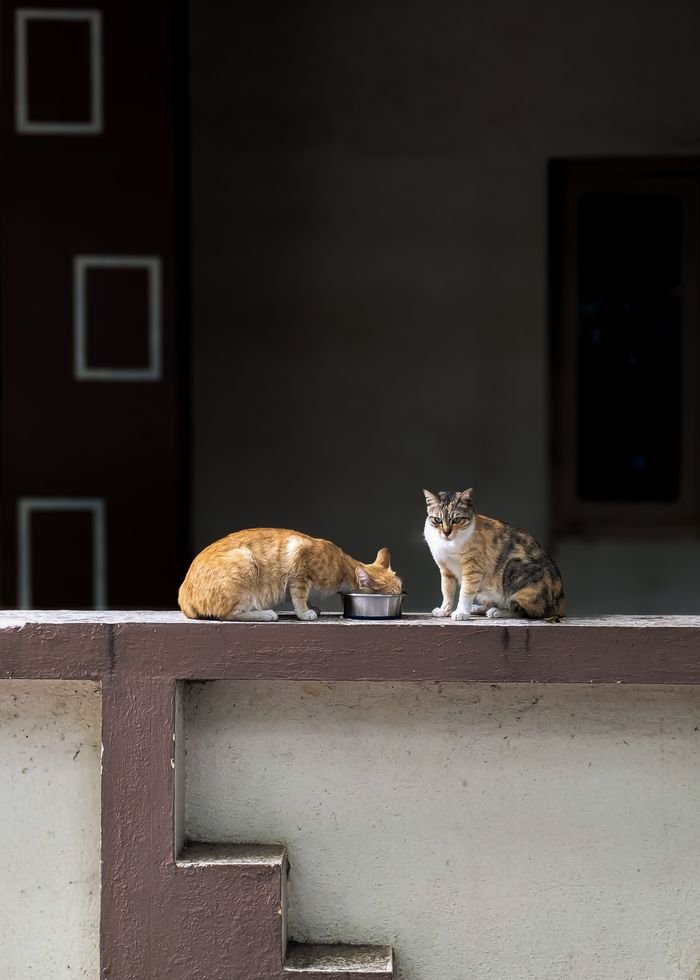
Most cat owners keep a stash of cans or pouches in the pantry, ready to grab whenever it’s mealtime.
But wet cat food doesn’t sit on a shelf forever without changing. Its lifespan depends heavily on whether the can is sealed, opened, or already sitting in your cat’s bowl.
That difference matters more than most people realize. Feed a cat food that has turned, and you’re not just risking a wasted meal; you’re risking a sick pet and a vet bill.
The good news is that once you know the actual timelines involved, keeping your cat’s food fresh becomes second nature. This guide breaks down exactly how long wet food lasts at every stage, so you never have to guess.
Does Wet Cat Food Expire?
Yes, wet cat food does expire, and it happens faster than most dry kibble ever will.
The reason comes down to moisture. Canned and pouched food is packed with water, often close to eighty percent, and that damp environment is exactly what bacteria need to multiply.
Dry food avoids this problem because its low moisture content naturally slows down microbial growth. Wet food has no such built-in defense once its seal is broken.
Manufacturers also rely less on chemical preservatives in canned food, since the sealed can itself serves as the primary barrier against spoilage. Break that seal, and the clock starts ticking immediately.
This is why the countdown for wet food looks completely different depending on whether it’s sealed, refrigerated, or sitting out in a dish. The next section breaks down each of those stages.
How Long Does Wet Cat Food Last?
There’s no single answer to this question, because storage conditions change everything.
A sealed can behaves nothing like an opened one, and an opened can behaves nothing like a bowl left out on the kitchen floor.
Below is the direct breakdown for each situation, so you know exactly what timeline applies to the food sitting in front of you right now.
Unopened Wet Cat Food
An unsealed can or pouch is essentially sterile, which is why it can sit safely in your pantry for a long time.
According to guidance published by Cats.com, unopened wet cat food stored in a cool, dry place is usually good for about two years after manufacture, whether it’s packaged in cans, tins, or pouches.
That said, the number on the label always takes priority over any general rule. The best-by date reflects testing done by that specific manufacturer for that specific recipe.
Store unopened cans in a cool, dry place, away from direct sunlight and heat sources. High temperatures can quietly degrade the food’s quality long before the printed date arrives.
Always inspect packaging before you buy or use it. Dents, bulges, rust, or torn seals can let air or bacteria in, making the date on the label meaningless.
Opened Wet Cat Food (Refrigerated)
Once you crack open a can, the sterile environment inside disappears, and the countdown begins.
Most veterinary sources agree that opened wet food stays safe in the fridge for about 3 days, though some brands extend that to 5 days. A vet-reviewed piece from Catster puts the window at roughly three to five days in an airtight container, as long as the fridge stays near 40°F.
To get the most out of that window, cover the can tightly right after your cat finishes eating. A reusable silicone lid works better than loose foil or plastic wrap.
Transferring leftovers into a small airtight container also helps. It limits air exposure, which slows both bacterial growth and that dried-out, crusty texture cats tend to avoid.
Always give refrigerated wet food refrigerated wet food a quick sniff and visual check before serving it again. If it smells sharp or looks discolored, it’s safer to toss it than risk feeding it.
Wet Cat Food Left Out at Room Temperature
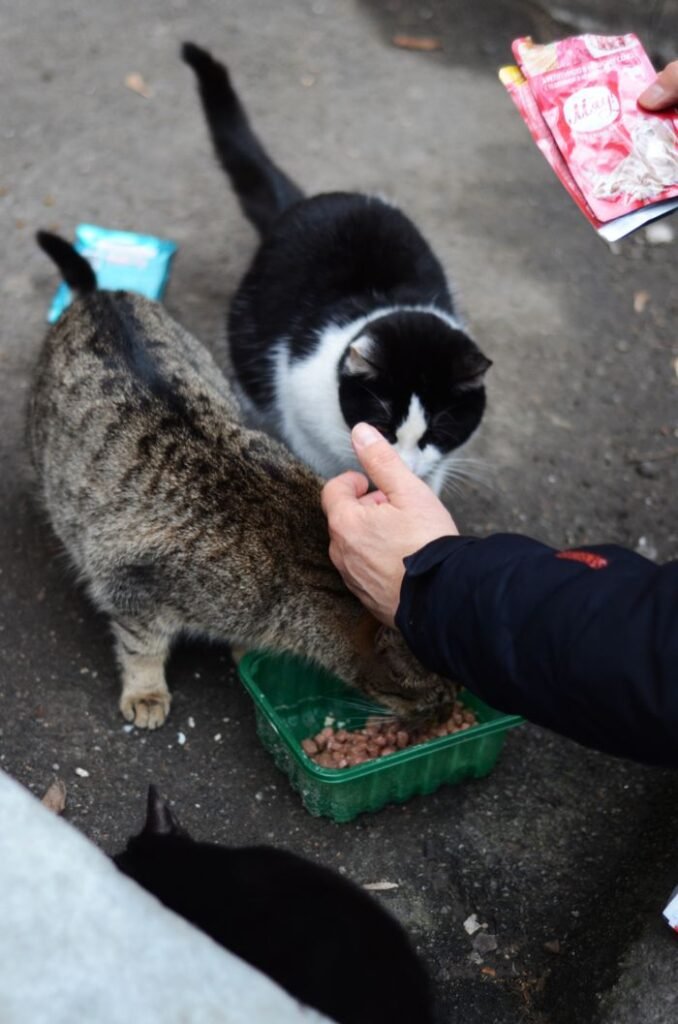
The moment wet food hits your cat’s bowl, it’s on borrowed time, and that time is short.
Food safety experts generally recommend picking up any uneaten wet food within 1 to 2 hours, especially in a warm kitchen. Beyond that window, bacteria can multiply fast enough to make the food genuinely risky.
Warmer rooms shrink that window even further. On a hot day or near a sunny window, food can start turning in well under an hour.
If your cat tends to graze rather than finish meals right away, consider serving smaller portions more often. It keeps food fresher and reduces how much gets thrown away.
Automatic feeders with built-in ice packs can also help if you’re away from home for stretches during the day. They keep wet food cold until your cat is ready to eat.
Is Expired Cat Food Safe
Feeding your cat food that has gone bad is never a safe gamble, even if the can looks fine from the outside.
Spoiled wet food can carry bacteria like Salmonella or E. coli, along with toxins that don’t disappear just because the food gets warmed up or mixed with something else.
There are usually warning signs before it gets that far. A sour or unusually strong smell is often the first clue that something has gone wrong.
Watch for these signals before you serve leftover or older wet food:
- A sharp, sour, or otherwise off smell coming from the can
- Discoloration, especially greenish, grayish, or unusually dark patches
- A slimy, dried-out, or oddly separated texture
- Visible mold, which can appear as fuzzy white, green, or black spots
- Any bulging or hissing sound when you open a sealed can
If your cat eats spoiled food, watch closely for vomiting, diarrhea, lethargy, or a sudden refusal to eat. These symptoms can appear within hours or take a couple of days.
Kittens, senior cats, and cats with existing health conditions face a higher risk from food poisoning than a healthy adult cat. If symptoms show up, a call to your vet is worth making right away.
Food poisoning in cats can sometimes mimic other issues, including digestive upset from a sudden change in diet. When in doubt, treat it as a medical situation rather than something to wait out at home.
Keeping Your Cat’s Wet Food Fresh and Safe to Feed
Once you know the timelines, keeping your cat’s food safe comes down to a few consistent habits.
Check the best-by date before buying, and store unopened cans in a cool, dry place until you’re ready to use them. Refrigerate anything left over the moment your cat walks away from the bowl.
A simple routine makes this almost automatic:
- Cover and refrigerate leftovers within minutes of the meal ending.
- Use refrigerated leftovers within three days, sooner if they smell off.
- Pick up uneaten food from the bowl after one to two hours.
- Wash the food dish daily to stop bacteria from building up.
- Trust your nose and eyes over the calendar when something seems wrong.
Feeding fresh food isn’t just about avoiding an upset stomach. It also protects your cat from the more serious risks tied to bacterial contamination and mold toxins.
A little consistency goes a long way here. Once these habits become routine, you’ll rarely have to think twice about whether what’s in the fridge is still good.
For more details on safe storage windows for both wet and dry food, PetMD’s guide to cat food storage is a solid reference to keep handy.