
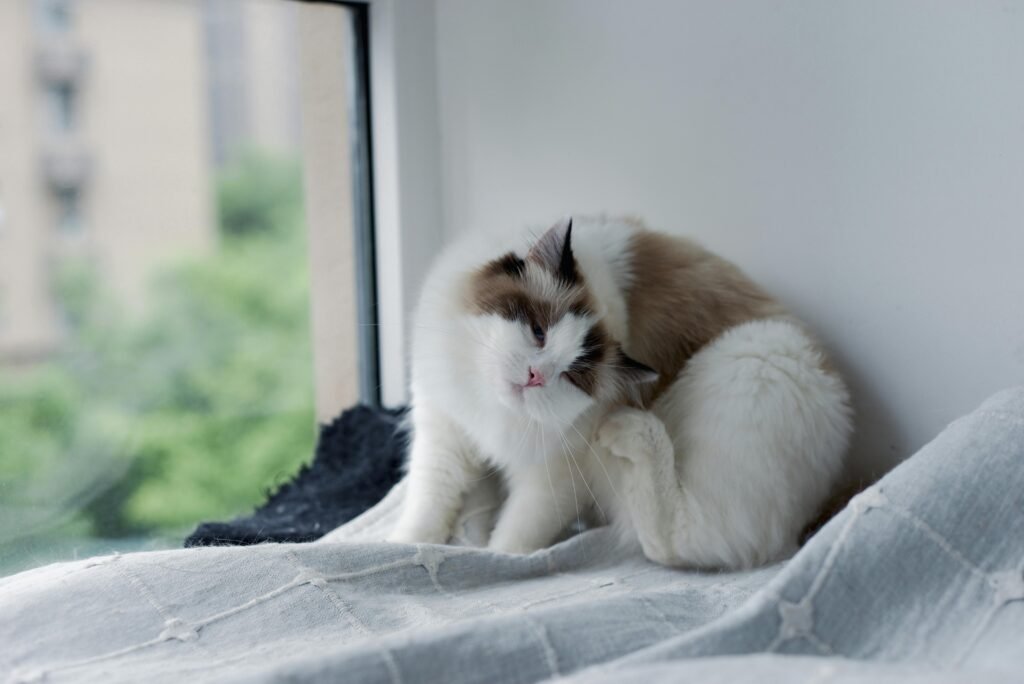
Every sneeze, every itchy eye, every blocked nose reminds you that your cat is nearby. You love your pet, but your body keeps fighting back. This is one of the hardest things for cat owners to deal with every single day.
Cat allergies affect up to 15% of adults, and the symptoms can range from mild sneezing to serious asthma attacks. When left unmanaged, these reactions can get worse over time and even push people to give up their pets. That is a loss no one wants to face.
The good news is that knowing how to get rid of cat allergies naturally is possible with the right steps. You do not have to choose between your health and your cat. Simple changes at home can make a real difference in how you feel.
Most people try random things without understanding what is actually triggering them. Once you know the real cause, the solutions start to make more sense. This guide covers everything in a clear, simple way so you can take action today.
What Causes Cat Allergies in Adults
Cat allergies are not caused by cat hair, the way most people think. The real trigger is something much smaller that you cannot even see, and it travels everywhere in your home.
The Real Culprit: Fel d 1 Protein
Fel d 1 is a tiny protein produced in your cat’s saliva and skin glands that is responsible for up to 95% of all cat allergic reactions.
It can remain airborne for hours, stick to surfaces for months, and trigger symptoms in 1 in 5 adults worldwide.
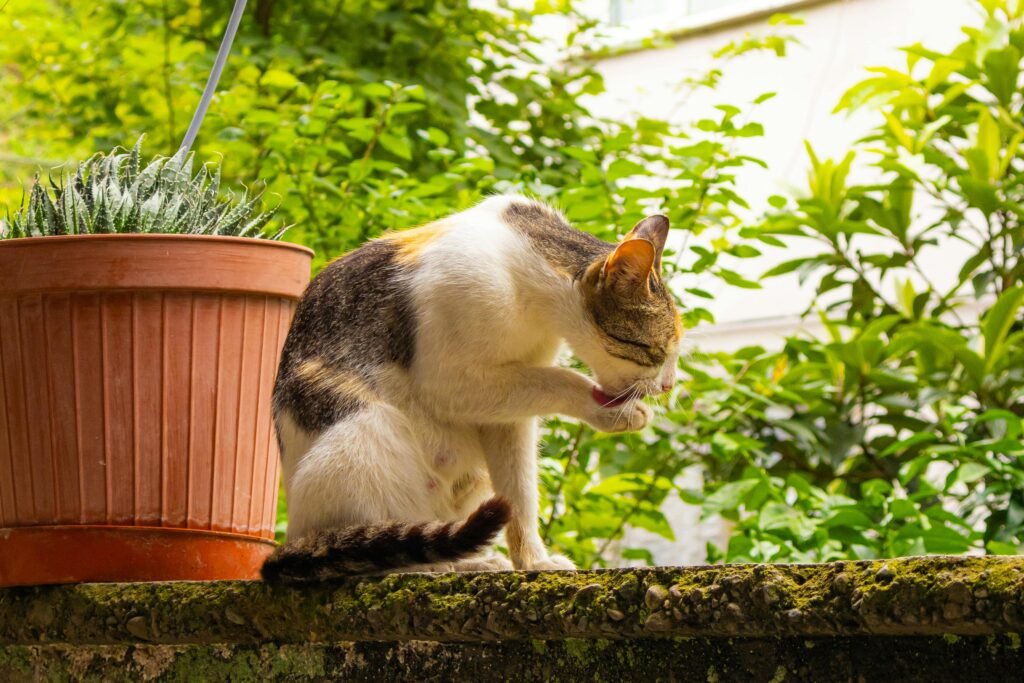
When your cat grooms itself, this protein gets onto the fur. It then dries and becomes microscopic particles that float around your home.
You breathe them in without realizing it, and your immune system reacts as if it is under attack.
This allergen can also be carried on clothes and shoes into homes and schools without cats, and may persist in these areas for months to years.
So even visitors can bring it in. This is why some people feel symptoms even in homes that have never had a cat.
Why Symptoms Vary From Person to Person
Not everyone reacts the same way to cat allergens. Some people sneeze lightly, while others have full breathing difficulties.
Your immune system sensitivity plays the biggest role. The more sensitive your immune system is, the stronger the reaction. Age, overall health, and how much time you spend around cats also affect how severe your symptoms get.
Some adults develop allergies later in life, even after years of being around cats. This happens because immune responses can change over time, and your tolerance threshold can shift without warning.
Natural Home Remedies to Get Rid of Cat Allergies
Before reaching for medication, there are several things you can try at home. Some of these are simple habits, and others involve a few natural ingredients you may already have.
Nasal Rinses and Steam Inhalation
A saline nasal rinse is one of the easiest and fastest ways to get relief. It flushes allergen particles directly out of your nasal passages, which reduces irritation right away.
Steam inhalation with eucalyptus or peppermint oil can ease breathing when nasal passages feel blocked. You can do this once or twice a day during peak allergy times.
It does not cure the allergy, but it helps you breathe more comfortably while other steps take effect.
Local Honey and Its Role in Allergy Relief
Local honey is a popular natural remedy that many people swear by. The idea is that it exposes your body to tiny amounts of local allergens, which may help your immune system become less reactive over time.
While scientific evidence remains limited, many people report improved symptom relief since incorporating local honey into their diets.
A teaspoon a day in warm water or tea is the common way to take it. It will not show results overnight, but with consistency, some people notice a real difference after a few weeks.
Herbal Supplements That May Help
Some herbs have natural antihistamine effects that can calm your body’s allergic response. They are not a cure, but they support your immune system in a gentler way.
Stinging nettle has been used for centuries as a natural remedy for allergy symptoms, appearing to work by blocking histamine receptors and reducing inflammatory chemicals in the body. Quercetin is another option worth trying.
It acts as a mast cell stabilizer, preventing cells from releasing histamine when exposed to allergens like cat dander.
Essential Oils for Allergy Symptom Relief
Essential oils like eucalyptus and lavender can help open airways and reduce inflammation. They work best when used in a diffuser or added to hot water for steam inhalation.
Eucalyptus, peppermint, and lavender essential oils may provide soothing relief for allergy symptoms through aromatherapy. Always use 100% pure essential oils and avoid applying them directly to skin without a carrier oil. They are a supportive remedy, not a standalone solution.
Reducing Cat Allergens in Your Home
Your home environment holds a lot of the allergens that trigger your symptoms. Cleaning the right way can lower your exposure significantly.
Air Purifiers and HEPA Filters
A HEPA air purifier is one of the most effective tools for reducing airborne cat allergens. It captures tiny particles that normal filters miss, including Fel d 1.
Place it in the rooms where you and your cat spend the most time. Running it consistently, especially at night, helps keep the air cleaner while you sleep. This alone can noticeably reduce your morning sneezing and congestion.
Cleaning Routines That Actually Make a Difference
Regular cleaning is important, but the method matters more than the frequency. Using a vacuum with a HEPA filter traps allergens instead of releasing them back into the air.
Wash bedding, curtains, and any fabric your cat touches at least once a week. Wiping hard surfaces with a damp cloth also helps, since dry dusting just moves allergens around. Small habits done consistently add up to a much cleaner environment.
Creating Allergen-Free Zones in Your House
Keeping your bedroom completely off-limits to your cat is one of the most helpful things you can do. You spend around eight hours in that room every night, and having that time free of allergens gives your body a real break.
Cats can coexist with your health needs when you set clear boundaries at home. Designating just one or two allergen-free zones can make a big difference in how rested and symptom-free you feel each morning.
Dietary and Lifestyle Changes to Build Tolerance
What you eat and how you live affect how your immune system handles allergens. A few changes can make your body respond less aggressively.
Anti-Inflammatory Foods That Support Immune Health
Foods that reduce inflammation help calm your immune system’s overreaction to allergens. Fatty fish, leafy greens, berries, and citrus fruits are good places to start.
Studies show that individuals who consume omega-3 fatty acids regularly can see a reduction in inflammation and allergic reactions, with some seeing a 20 to 30 percent decrease in allergy-related symptoms over time.
Adding these foods consistently to your meals is one of the simplest long-term strategies you can use.
Vitamins and Supplements Worth Considering
Vitamin C acts as a natural antihistamine and supports your immune system at the same time. It is easy to get from food or as a supplement, and it works best when taken daily rather than occasionally.
Probiotics are also worth looking into, as gut health is closely connected to immune function. A balanced gut can lead to a less reactive immune system overall.
Talk to your doctor before starting any new supplement, especially if you take other medications.
Staying Hydrated and Its Effect on Allergy Symptoms
Drinking enough water keeps your mucous membranes healthy and helps thin out mucus. This makes it easier for your body to flush out allergens naturally.
Staying well-hydrated helps thin mucus secretions and keeps your respiratory system functioning optimally.
Most people overlook hydration when managing allergies, but it is a simple and free step that genuinely helps. Aim for at least 8 glasses of water a day, especially during allergy flare-ups.
How to Manage Cat Allergies Naturally Long-Term
Managing allergies is not just about quick fixes. Building real tolerance takes time and consistency with the right approach.
Gradual Exposure and Building Tolerance Over Time
Spending short, controlled amounts of time around your cat and gradually increasing it can help your immune system adjust. This is not a guaranteed method, but some people find it helpful over several months.
The key is to go slow and monitor your symptoms. If reactions stay mild, you can increase exposure slightly. If they worsen, pull back and give your body more time to adjust before trying again.
Bathing and Grooming Your Cat to Lower Allergens
Bathing your cat regularly can reduce the amount of Fel d 1 on their fur. Even wiping them down with a damp cloth a few times a week helps lower allergen levels.
If your cat resists baths, consider having someone else groom them to avoid direct exposure. Regular grooming also reduces shedding, which means less dander floating around your home. This is one of the most direct ways to reduce the source of your symptoms.
Choosing Low-Allergen Cat Breeds
Some cat breeds naturally produce less Fel d 1 than others. Breeds like the Balinese, Siberian, and Devon Rex are often considered more manageable for allergy sufferers.
No cat is completely allergen-free, as every cat produces Fel d 1 to some degree. But if you are planning to get a new cat, choosing a lower-allergen breed is a smart starting point. Combined with other natural strategies, it can make coexistence much easier.
When Natural Remedies Are Not Enough
Natural methods work well for mild to moderate symptoms, but there are times when they are simply not enough. Knowing when to seek more help is just as important as trying home remedies.
Signs You Should See an Allergist
If your symptoms are affecting your sleep, your breathing, or your daily routine, it is time to see a professional. Persistent symptoms that do not improve with natural methods need proper evaluation.
An allergist can run tests to confirm exactly what you are reacting to and how severe your sensitivity is. This gives you a clearer picture and opens the door to more targeted treatments.
Natural Methods vs. Medical Treatment: Finding the Right Balance
Natural remedies and medical treatment do not have to be opposites. Many people use both together for the best results.
You can continue using HEPA filters, a clean diet, and herbal supplements while also working with a doctor if needed.
The goal is to feel better and live comfortably with your cat, and sometimes a combined approach gets you there faster. There is no shame in mixing natural strategies with professional guidance.
FAQ,S
Can cat allergies go away on their own?
They rarely disappear completely on their own. Some people develop more tolerance over time with consistent exposure, but symptoms usually need active management to stay under control.
How long does it take for natural remedies to work?
It varies by person. Some people feel relief from nasal rinses within minutes, while supplements and dietary changes may take a few weeks of consistent use to show results.
Is it safe to keep a cat if you are allergic?
Yes, many allergic people live comfortably with cats by managing their environment and using natural or medical strategies. The key is keeping allergen levels low at home and monitoring your symptoms regularly.
Does bathing my cat really reduce allergens?
It does help. Regular bathing lowers Fel d 1 levels on the fur, which reduces how much spreads through your home. Even wiping your cat with a damp cloth a few times a week makes a difference.
Can diet really help with cat allergies?
A diet rich in anti-inflammatory foods like omega-3s and vitamin C can support your immune system and reduce how strongly it reacts to allergens. It is not a cure, but it makes other strategies work better.