
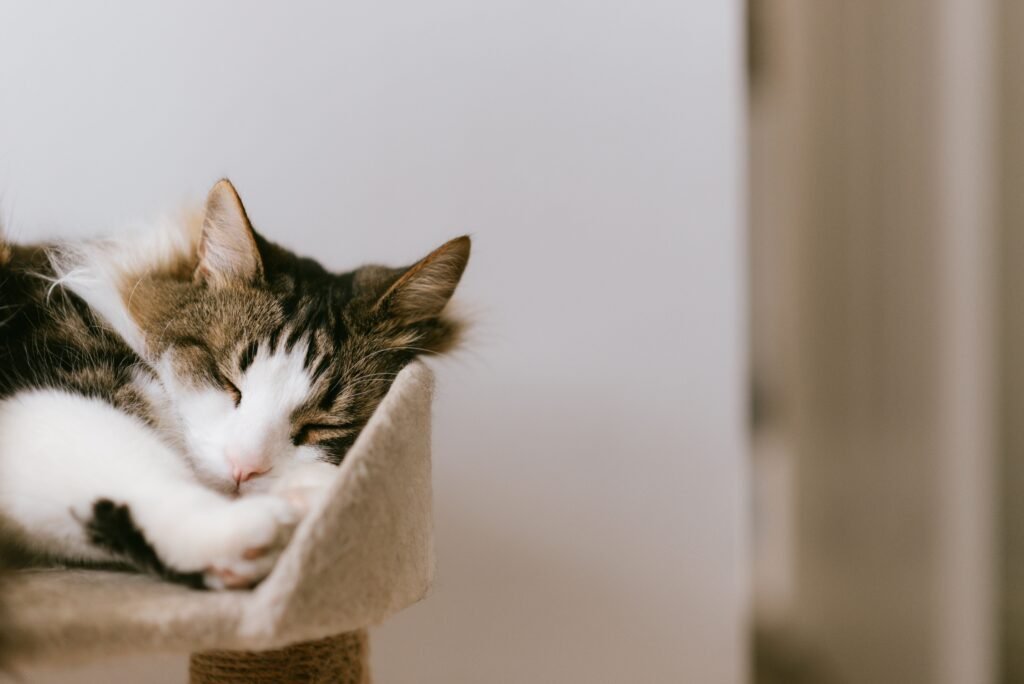
One of those sounds that is both endearing and a little unsettling is a quiet, rumbly snore coming from your cat’s preferred nap spot. It may seem endearing at first, but then you start to question whether your cat’s breathing is problematic.
The response is usually comforting. Many cats occasionally snore, and for many, it’s a perfectly normal part of restful, deep sleep. However, snoring isn’t always benign, and a few distinct patterns are worth watching for.
Differentiating between the two takes real expertise. Loud, raspy breathing that appears suddenly or continues while a cat is wide awake is significantly different from soft snoring in a specific sleeping position.
This tutorial explains why cats snore, when it’s entirely natural, and the warning signs that mean a trip to the vet is necessary. It also covers flat-faced breeds that naturally snore, along with easy ways to help a snoring cat breathe more easily.
Is It Normal for Cats to Snore? The Short Answer
Most cats occasionally snore softly, which is natural and not a cause for concern. When cats fall into a deep, complete sleep, they can snore softly, just like humans and dogs.
Infrequent, quiet snoring that stops when your cat moves is typical. Most of the time, a healthy cat should breathe quietly; snoring should be the exception, not the rule.
If snoring suddenly appears in a cat that has never snored, becomes loud, harsh, or persistent, or occurs while your cat is awake, the picture changes. We will examine each pattern, since it merits closer attention.
Why Do Cats Snore in the First Place?
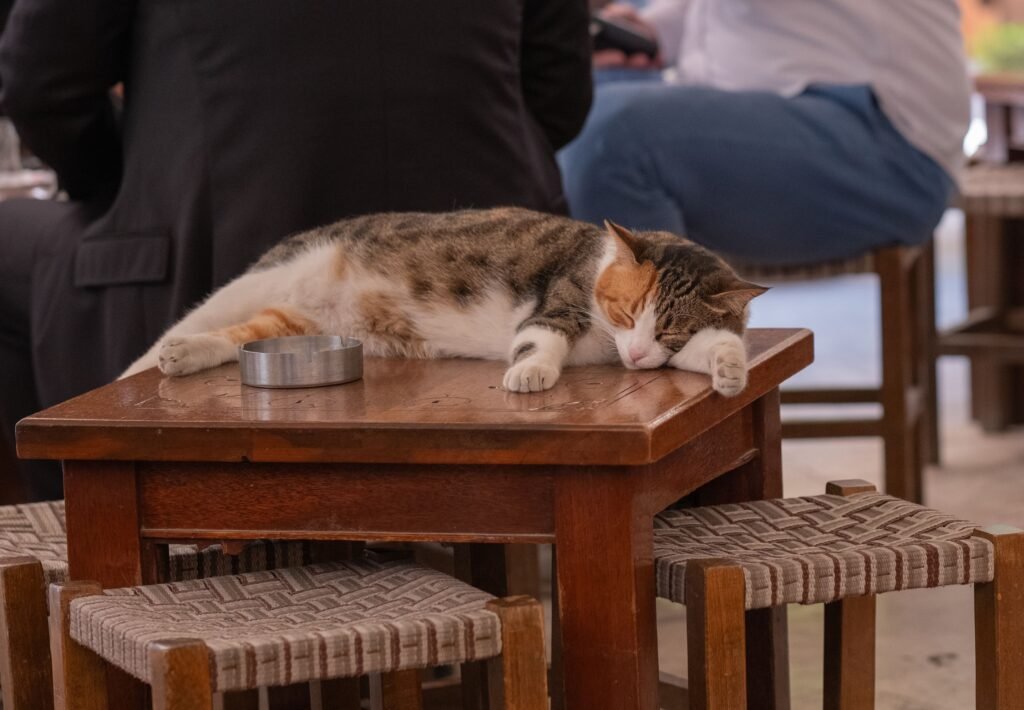
The basic cause of snoring is vibrating tissue. During deep sleep, all of a cat’s muscles relax, including the soft tissues at the back of the throat and the soft palate. The snore you hear comes from loosened tissues fluttering and vibrating as air passes through them.
Additionally, cats’ anatomy increases the likelihood of snoring. Compared with many other animals, they have small, thin nasal passages that can easily become noisy when air passes through them quickly.
Some positions cause snoring, while others don’t, because the precise angle of a cat’s head and neck during sleep can make a difference. But cats are unique in one significant way.
Veterinarians call cats obligate nasal breathers because they breathe mostly through their noses. Later, that detail becomes crucial: a cat breathing through its lips indicates something is wrong.
Common Reasons Cats Snore
Beyond basic anatomy, a few common factors increase the likelihood of snoring. Most of these are easy to understand and safe.
Sleep Position
A cat’s respiration is significantly impacted by how it curls up. Snoring happens when the airway is partially squeezed because the neck bends sharply, or the chin presses against the chest.
This type of snoring is the least harmful. It frequently starts and stops with position, disappearing as soon as your cat rolls over or stretches out. Although a supportive bed can be helpful, no therapy is required.
Deep Sleep and Full Relaxation
Snoring most often happens during deep sleep, when a cat is dreaming, and its muscles are fully relaxed. Throat tissues relax the most and vibrate most easily when there is the least muscular tone holding things rigid.
This explains why a cat may snore the loudest following an intense play session or a long, exhausting day. It just relaxes more completely than normal, exhausted and sound asleep.
Being Overweight
One of the most prevalent and avoidable reasons for snoring is being overweight. When a cat has extra fat around its neck and chest, the airway is compressed from the outside, making it harder for air to pass through.
As a result, breathing becomes heavier and noisier, especially when lying down. The good news is that once a cat reaches a healthy weight, this kind of snoring often improves or goes away.
Temporary Stuffiness
Snoring can occasionally be a transient symptom of congestion. A snore can be caused by a mild cold, dust, or seasonal irritants that fill the nasal passages with mucus, forcing air through partially blocked channels.
When congestion is the reason, the stuffiness usually goes away along with the snoring. However, if it persists for more than a week or two, it’s worth investigating health-related causes.
Flat-Faced Breeds and Why They Snore More
Because of their facial structure, some cats are almost certain to snore. These are the brachycephalic, or flat-faced, breeds. Breeds with short, pushed-in muzzles and compressed skulls include the Persian, Himalayan, Exotic Shorthair, and Burmese.
Narrowed nostrils and a soft palate that sits too far back result from cramming all the typical breathing structures into a much smaller area. Regular snoring is part of life for these cats, and it often runs in the breed from kittenhood.
Some breeds are at the other end of the spectrum. For instance, the long-nosed Siamese typically sleeps much more quietly and has large nasal passages.
When Flat-Faced Breathing Becomes Brachycephalic Airway Syndrome
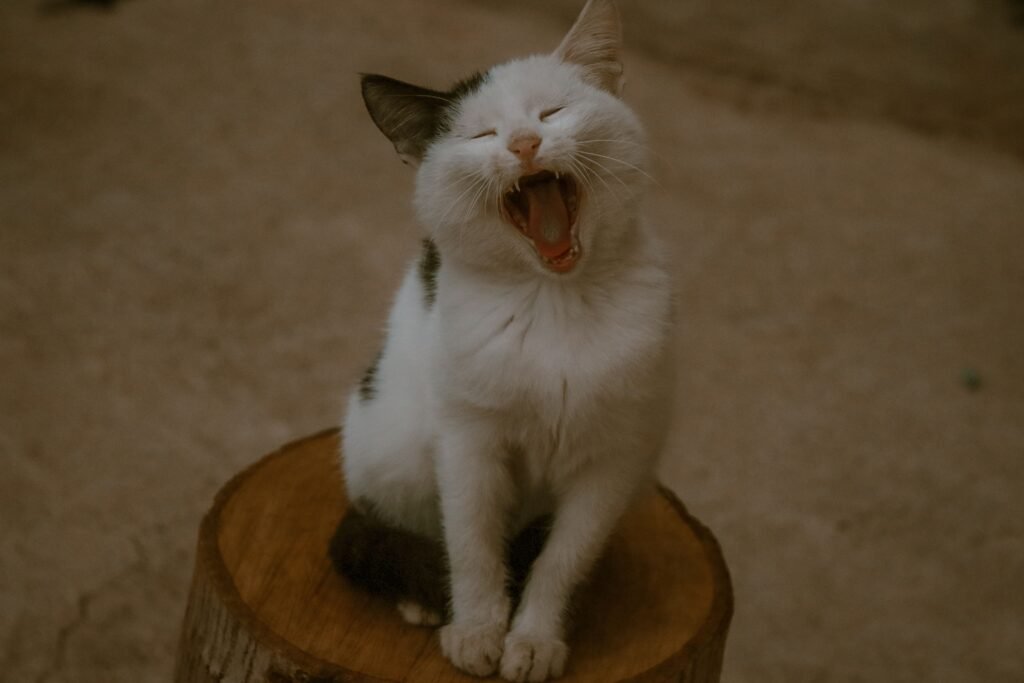
For some flat-faced cats, the anatomy goes beyond snoring into a real medical condition. Brachycephalic airway syndrome is a set of upper-airway problems that includes pinched nostrils, an overly long soft palate, and other obstructions that make breathing genuinely hard.
As VCA Animal Hospitals explains, cats with this syndrome often breathe more easily through their mouth than their nose so mouth breathing can be a telltale sign. Loud snoring, noisy breathing while awake, and low energy can all point to it.
Mild cases may improve with weight loss, but moderate to severe ones usually need surgery to widen the nostrils or trim the excess palate tissue. If your flat-faced cat’s breathing is clearly worsening, that is a strong signal to have a vet assess it.
When Snoring Signals a Health Problem
While much snoring is harmless, it can also signal something that needs treatment. This is especially true when snoring appears suddenly in an adult cat that never snored before. Here are the medical causes worth knowing about.
Upper Respiratory Infections
Cat colds, usually caused by viruses, often cause new snoring. The infection inflames the nose and throat and floods the nasal passages with mucus, narrowing the airway and making breathing noisy.
With these infections, snoring rarely travels alone. You will typically see sneezing, runny eyes or nose, reduced appetite, and low energy, and the snoring usually fades once the infection clears.
Allergies and Nasal Inflammation
Just like people, cats can react to airborne irritants. Pollen, dust, smoke, mold, or harsh cleaning products can inflame the nasal lining and boost mucus, both of which make snoring more likely.
A seasonal pattern is often the giveaway. If the snoring flares at certain times of year or after exposure to a particular environment, irritation may be behind it, and your vet can suggest ways to reduce it.
Nasal Polyps
A nasopharyngeal polyp is a benign, fleshy growth that can develop in the back of the throat, the nasal passage, or the ear canal. Because it partly blocks the airway, it can cause snoring or noisy breathing that tends to worsen over time.
These polyps turn up more often in younger cats and are thought to be linked to inflammation. They are not cancerous, but they usually need to be removed to restore clear breathing.
Tumors and Other Growths
Less commonly, a mass or tumor inside the nasal passages can be the culprit, and this is more common in older cats. Like polyps, they physically obstruct airflow and cause snoring that steadily worsens.
That’s why you should never ignore a new, worsening snore. Catching a growth early gives the best chance of successful treatment, so imaging and a vet exam matter.
Warning Signs That Mean It Is Time to See a Vet
Separating a harmless snore from a warning sign is the most useful skill here. Certain symptoms mean a cat needs professional attention, sometimes urgently.
See your vet if the snoring comes with any of these:
- Snoring or noisy breathing while your cat is awake.
- Harsh, strained, or gasping sounds rather than soft ones.
- A sudden new snore in a cat that never snored before.
- Sneezing, nasal or eye discharge, coughing, or loss of appetite.
- Snoring that steadily gets louder or more frequent over time.
One sign indicates a serious emergency and cannot wait. Because cats are built to breathe through their noses, open-mouth breathing or panting, a stretched neck, quick laborious breaths, or blue-tinged gums all signal major oxygen issues. See an emergency vet immediately if you notice any of these signs.
How a Vet Finds the Cause
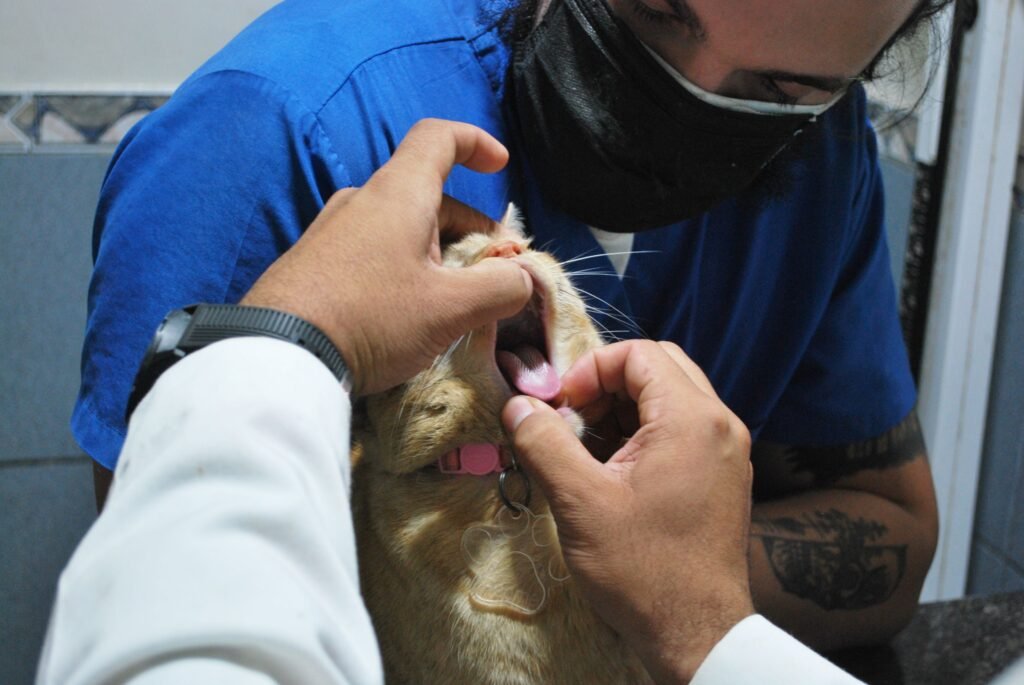
When you bring in a snoring cat, the vet starts with the basics. A physical check, involving a detailed look at the mouth, throat, and nose plus a listen to the breathing, often reveals evident abnormalities such as congestion, inflammation, or a visual obstruction.
If the cause isn’t obvious on the surface, imaging comes next. X-rays or a CT scan can show structures deep inside the nose and throat that an inspection cannot reach, helping discover polyps, tumors, or airway restriction.
Your vet may also add blood tests to check for infection or other underlying concerns. From there, treatment follows the diagnosis, whether that means clearing an infection, managing allergies, or removing a tumor.
How to Help a Snoring Cat Breathe Easier
If your vet has ruled out anything dangerous, or while you work on an underlying reason, a few simple techniques can minimize snoring and improve your cat’s sleep.
Start with weight. If your cat is carrying excess pounds, a safe, vet-guided weight-loss plan with measured amounts and more playing can open the airways naturally. Never crash-diet a cat, since rapid weight reduction is truly dangerous for them.
Cleaning up the air helps too. Regular vacuuming, an air purifier, mild unscented cleaners, and a dust-free sleeping area can reduce irritants that inflame the nasal passages. A humidifier next to your cat’s bed can reduce snoring in dry conditions by keeping the airways moist and the mucus thinner.
For medical reasons, heed your veterinarian’s advice. While polyps, tumors, or severe brachycephalic obstructions often require surgery, which can significantly improve breathing for many cats, infections may require a full course of prescribed medication.
Frequently Asked Questions
Is it normal for cats to snore every night?
Snoring every night is less common than occasional snoring. Nighttime snoring may indicate weight problems, allergies, or an airway issue that warrants investigation.
Do all flat-faced cats snore?
Because of their compressed facial structure, most brachycephalic cats, such as Persians and Himalayans, snore. A veterinarian should still check for loud or labored breathing, but mild snoring is normal.
Can being overweight make my cat snore?
Indeed. Overweight cats are much more likely to snore because extra tissue around the neck and chest narrows and presses against the airway. It usually goes away once you reach a healthy weight.
Should I wake my cat if it is snoring loudly?
Gently repositioning the head is preferable to shocking it awake. If the snoring ceases when you adjust its posture, it is generally harmless; if it continues no matter what, book a vet consultation.
Why has my cat suddenly started snoring?
A new snore in a cat that never snored can mean a cold, allergies, a polyp, or another impediment. Because it suggests a change, it is worth getting looked at.
When is cat snoring an emergency?
Treat it as urgent if snoring comes with open-mouth breathing, gasping, blue or pale gums, or visible distress. These suggest dangerous oxygen depletion and demand emergency attention.
Knowing Your Cat’s Normal
So, do cats usually snore? For most cats, a quiet, infrequent snoring is merely the sound of a deeply relaxed sleeper, and nothing to lose sleep over. Flat-faced breeds take it a step further, snoring as a built-in element of their body.
The trick is knowing what is normal for your individual cat. Quiet snoring that comes and goes with sleeping positions is reassuring, while loud, sudden, worsening, or wide-awake snoring is your indication to pay attention.
Above all, keep in mind the one line that you should never disregard. It is never normal for a cat to breathe through its open mouth; report this to a veterinarian immediately. You can tell the difference between a cute little snore and a signal that warrants action if you pay attention to your cat’s normal breathing rhythm.
Pingback: Why Is My Cat Breathing Heavily While Resting? - Eachpetscare