

Loving a critter that makes you sneeze might lead to a certain type of frustration. You love your cat, but every time it rolls up close, your chest tightens, your eyes hurt, and your nose runs. That daily struggle between affection and allergies is quite true for millions of cat owners.
An estimated 10 to 20 percent of people suffer from cat allergies, which can cause everything from mild sneezing to severe asthma flare-ups. If left unchecked, they can exhaust you and even force you to find a new home for a beloved cat, with disastrous results for everyone involved.
But here’s the truth. Since a cat allergy lives in your immune system rather than your living room, no natural remedy can treat it. You can significantly reduce your exposure and alleviate your symptoms with natural, at-home methods, often enough to coexist peacefully with your cat.
This guide explains how to reduce cat allergy symptoms naturally, including which household changes are most effective, which treatments are worth trying, which ones to avoid, and when it’s wise to consult a physician.
Is There a Natural Way to Get Rid of Cat Allergies?
Being clear about what is truly possible is beneficial. No herb, food, or cleaning regimen can stop your immune system from overreacting to a harmless cat protein, which is what causes a cat allergy.
You can manage how much of that protein gets to you. Most people with mild to severe cat allergies feel much better by reducing their exposure and relieving their symptoms, sometimes to the point where their symptoms hardly show up daily.
The only treatment that retrains the immune system to react less is allergen immunotherapy, a medical option wewill cover later. Everything in this guide enhances rather than replaces the natural stages, which are sufficient for many people.
What Causes Allergies in Cats?
You can successfully eradicate cat allergies if you know exactly what you are battling. Since it isn’t the root of every issue, most people are taken aback by the answer. The real trigger is tiny, hard to find, and spreads easily.
It Is Not the Hair, It Is a Protein
Cat hair alone doesn’t cause allergies. Fel d 1, a protein produced by cats in their skin, saliva, and certain glands, is the real culprit. It causes 90 to 95 percent of cat allergy responses.
A cat applies Fel d 1 to its skin and fur when it grooms. After drying and flaking off with dander, the protein turns into tiny particles that float in the air and land on all surfaces. Your immune system alerts you when you inhale them without realizing it.
Fel d 1 is light and sticky, which is what makes it so stubborn. It sticks to walls, carpets, and clothing for months, remains in the air for hours, and even appears on people’s clothing in houses and schools that have never had a cat.
Why Some Cats Spread More Allergen Than Others
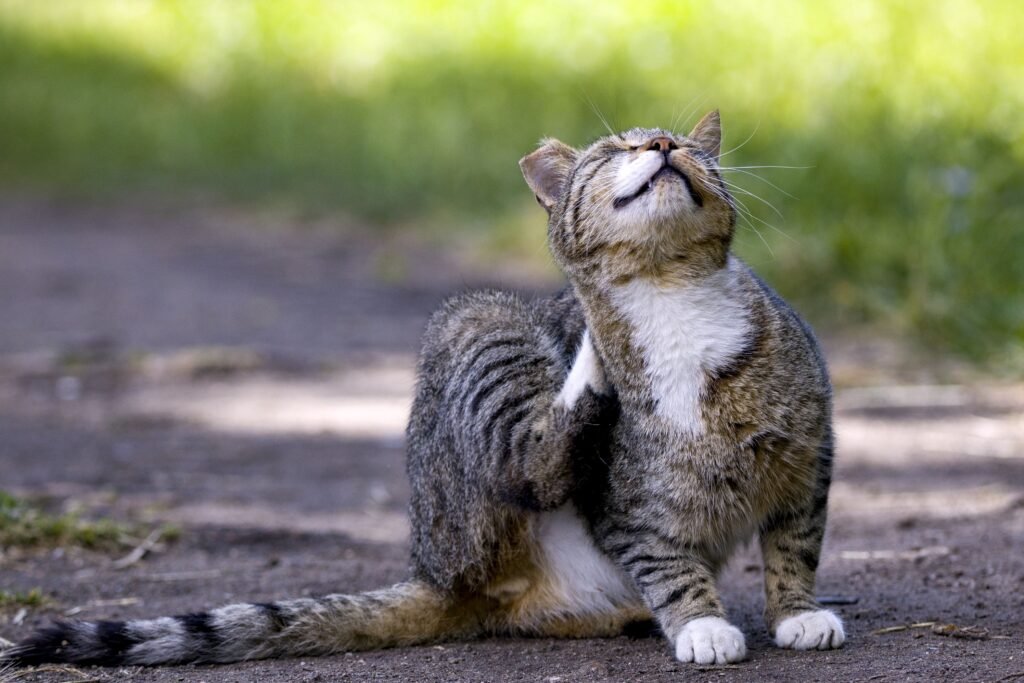
It helps to understand that different cats produce different amounts of Fel d 1. In general, male cats produce more than female cats, with intact males producing the most.
This implies that neutering a male cat can significantly reduce the amount of allergens he brings into your house. Although levels increase as they mature, kittens typically generate less than adults. These variations are actual levers that you can use, but no cat yields zero.
Why Reactions Differ So Much From Person to Person
The same cat can elicit very different reactions from two people living in the same home. While one finds it difficult to breathe, the other hardly sniffles.
The most important factor is the sensitivity of each individual’s immune system. Asthma, overall health, and time spent with cats also affect severity. Because immune responses can change over time, some adults develop cat allergies later in life after years with no problems.
Reduce Cat Allergens in Your Home
Make this the one action you take from this tutorial. The best natural strategy to feel better is to reduce allergens in your living area.
Pet allergens are light and sticky, so they stick to soft surfaces and stay in the air throughout a home, according to the Asthma and Allergy Foundation of America. You can drastically reduce that exposure with a few targeted habits.
Create an Allergen-Free Bedroom
One of the most significant improvements you can make is to forbid your cat from entering your bedroom. Giving your body those hours without allergens offers a true daily reset because you spend about a third of your time there.
Even when you are not in there, keep the door locked and wash your bedding frequently in hot water. Within days of taking back the bedroom, many people notice less sneezing and less morning congestion.
Run a HEPA Air Purifier
One of the best devices for collecting airborne cat allergens is a real HEPA air purifier, which traps microscopic particles that regular filters let pass through. Put one in the rooms where you spend the most time with your cat.
If you run it continuously, especially overnight, it keeps pulling Fel d 1 out of the air while you sleep. Combined with cleaning, it makes a substantial dent, even though it won’t remove everything.
Cleaning should remove allergens rather than stir them up.
Cleaning technique is more important than frequency. Use a HEPA-filter vacuum to retain allergens rather than blow them back into the air, and use a moist cloth to clean hard surfaces rather than dry dusting, which only disperses particles.
Clean in a Way That Removes Allergens, Not Stirs It Up
Reducing allergy traps such as heavy draperies, wall-to-wall carpet, and piles of soft furnishings is also beneficial. If you’re the allergic person cleaning, wear an N95 mask to prevent inhaling anything you disturb.
Wash Your Hands After Contact
A gap most people overlook is basic hygiene. Every time you hold or pet your cat, Fel d 1 immediately spreads onto your hands and clothing.
Avoid rubbing the allergen into your eyes and nose by washing your hands after cuddling and changing out of clothing that has touched cats. It is quick, free, and actually beneficial.
Lower the Allergen at Its Source: Your Cat
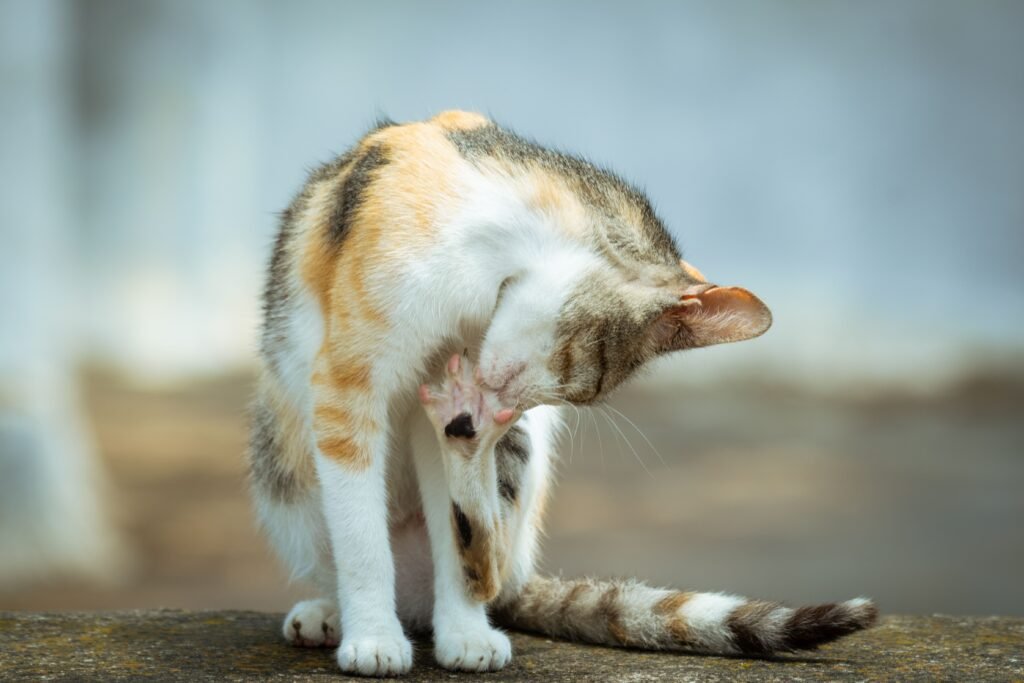
You can reduce your cat’s initial Fel d 1 emissions while also cleaning your home. Addressing the source further improves relief.
Some of these options are better supported and more effective than the typical home treatments consumers turn to.
Anti-Fel d 1 Cat Food
A unique cat food that neutralizes Fel d 1 is one of the more promising innovations. Less active Fel d 1 ends up on the fur after brushing since it contains an egg-derived antibody that binds the allergen in a cat’s saliva.
According to the manufacturer’s research, after three weeks, this kind of diet decreased active Fel d 1 on cats’ hair by an average of roughly 47%. It is a helpful tool to discuss with your veterinarian, but it doesn’t completely eradicate the allergy, and each cat will experience different outcomes.
Bathing and Wiping Down Your Cat
Bathing can remove some of the Fel d 1 sitting on a cat’s coat. A few times a week, even a quick wipe-down with a moist cloth can eliminate some.
However, be realistic about the reward. Studies show the impact is mild and transient, with allergen levels on the fur returning in a day or two. Therefore, it is only beneficial if applied frequently.
It is usually advisable to have a non-allergic household member bathe your cat because many cats detest baths, and handling your cat exposes you directly.
Spaying and Neutering
Intact male cats produce the most Fel d 1, as previously indicated. Neutering a male cat reduces the amount of allergens it brings into your home.
Although a neutered cat still produces the protein and therefore is not a cure, it can tip the scales in a barely manageable scenario. It also offers the typical advantages of spaying a cat’s behavior and health.
Natural Remedies for Symptom Relief
A few natural remedies can help reduce discomfort when symptoms do arise. Be honest about what’s supported by evidence and what isn’t. Here is a dispassionate examination of the popular choices.
Saline Nasal Rinses
One of the easiest and most efficient natural remedies is a saline nasal rinse. It rapidly relieves congestion and irritation by physically removing mucus and allergy particles from your nasal passages.
When used once or twice a day during flare-ups, it can significantly improve comfort. Never use tap water to produce the solution; instead, always use sterile, distilled, or previously cooked and cooled water.
Quercetin, Nettle, and Vitamin C
For allergies, several supplements are recommended, such as vitamin C, quercetin, and stinging nettle. Some have minor antihistamine effects or help calm the cells that release histamine in the lab.
The problem is that there isn’t much solid human proof for cat allergies in particular, so take them as potential modest support rather than a cure. Consult your doctor before trying them, particularly if you take other medications.
A Word of Caution About Essential Oils
Essential oils like peppermint and eucalyptus are often suggested for treating allergies, but they carry a major risk. Because they lack certain liver enzymes, cats cannot properly process many essential oils.
Applying or diffusing these oils in a cat’s house might have serious negative effects, such as poisoning or respiratory issues. Because of this, essential oils are not a safe treatment for cat allergies and should be avoided in any home with cats.
Can Diet and Hydration Help Your Immune System?
It makes sense to ask whether changing your diet could alleviate a cat allergy. The truth is that no diet has been shown in research to reduce sensitivity to cat allergies.
However, consuming a diet high in anti-inflammatory foods like leafy greens, colorful fruits, and fatty fish helps maintain a healthy immune system, which is always beneficial.
Drinking enough water throughout the day is a small, genuinely helpful habit during allergy season because it keeps the mucus in your nose and airways thinner and easier to clear.
What About “Hypoallergenic” Cat Breeds?
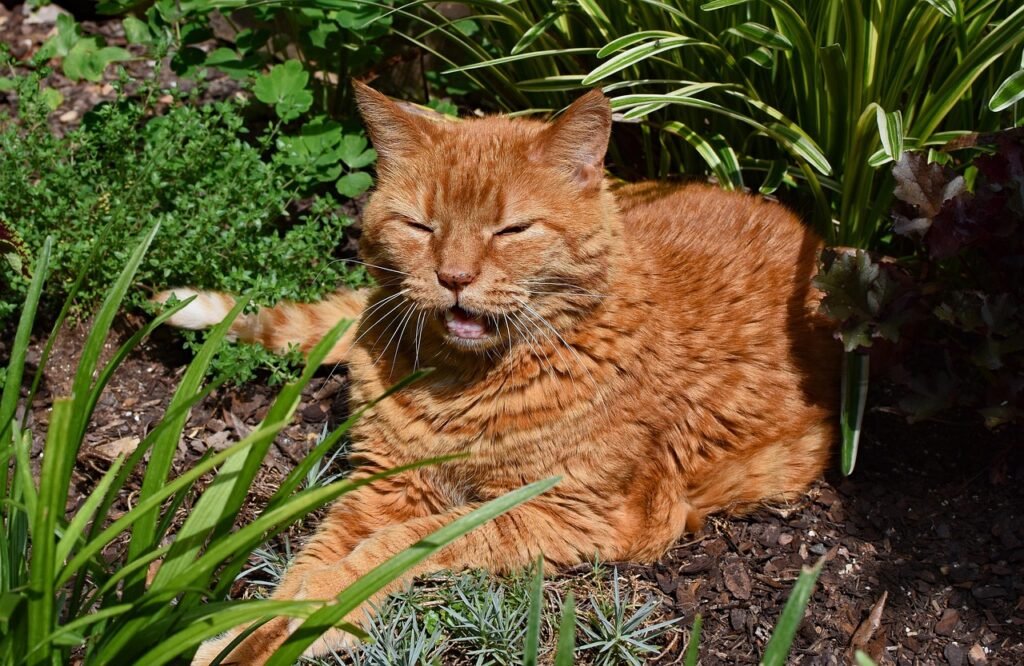
Breeds like the Devon Rex, Balinese, and Siberian are often listed as gentler on allergies, and many people hope a particular breed will fix the issue. Before you put your hopes on a breed, it is good to understand the truth.
Since all cats make Fel d 1, no cat is genuinely hypoallergenic. Certain cats may produce less than others, but this varies more from cat to cat than from breed to breed, so you can’t rely on it. When selecting a new cat, spending time with that particular animal beforehand reveals much more than just its breed.
When Natural Steps Aren’t Enough: Medical Options
Many cases resolve with natural and environmental remedies, but not all. Consult a specialist when symptoms interfere with your breathing, sleep, or day-to-day activities despite your best efforts.
To find out exactly what you react to and how severely, a board-certified allergist can run tests. After that, alternatives include allergy immunotherapy, steroid nasal sprays that reduce symptoms, and over-the-counter or prescription antihistamines.
The only method that truly teaches your immune system to respond less to cats over time is immunotherapy, which is administered as allergy shots or under-the-tongue drops over a few years.
If you have asthma, if your symptoms are getting worse, or if your reactions ever cause significant breathing difficulties, you should see an allergist as soon as possible. There is no reward for persevering, and early intervention frequently keeps a moderate allergy from getting worse.
Frequently Asked Questions
Can you get rid of cat allergies naturally for good?
Not totally. Although they can significantly lessen your exposure and symptoms, natural remedies cannot treat the underlying allergy. Immunotherapy can only gradually reduce your immunological sensitivity.
What is the fastest natural relief for cat allergy symptoms?
A saline nasal rinse can remove allergens from your nose in minutes. It provides the most evident short-term relief when used with a clean, HEPA-filtered space.
Do air purifiers really help with cat allergy symptoms?
Indeed. When used continuously in the rooms you use most, a true HEPA air purifier collects airborne Fel d 1 that other filters miss. It functions best when combined with routine cleaning.
Is it safe to keep a cat if I am allergic?
Yes, most of the time. By controlling symptoms and keeping allergen levels low, many allergic people can coexist peacefully with cats. But first, talk to an allergist if you have severe reactions or asthma.
Are essential oils safe to use for cat allergies?
No. Diffusing or applying essential oils in a cat’s home may be harmful because many are toxic to cats. Around cats, they are not a safe allergy cure.
Does any cat food reduce allergens?
To a certain extent, yes. Anti-Fel d 1 egg antibody-containing cat food can reduce active allergens on a cat’s fur by about 47% on average. Ask your veterinarian whether it is suitable for your cat.
Is there such a thing as a hypoallergenic cat?
No. No breed is completely allergen-free because all cats produce Fel d 1, though some produce less than others.
Living Comfortably With Your Cat
Since the real power lies in controlling your exposure, reducing cat allergies naturally comes down to that. Although there isn’t a herbal remedy, most people can reduce their cat’s daily suffering to the occasional mild sniffle with an allergen-free bedroom, a HEPA filter, smart cleaning, and source reduction.
Since they yield the best results with the least work, start with home modifications. Add symptom relievers that work, such as saline rinses, and avoid the ones that don’t, especially essential oils that could endanger your cat.
Also, keep in mind that medical and natural care are partners, not competitors. If your symptoms don’t go away, an allergist can help you access treatments like immunotherapy, which actually retrains your body. Maintaining your health and your cat’s health is achievable with the right combination.
Pingback: Is It Normal for Cats to Snore? - Eachpetscare
Pingback: Can You Use Oatmeal Dog Shampoo on Cats? - Eachpetscare