

Most people who start looking into homemade cat food aren’t just following trends. Standing in front of a wall of cans and staring at an ingredient list they can’t pronounce, they wonder what their cat is really eating twice a day.
Commercial wet food often uses fillers, gums, and other unclear by-products to preserve texture and save costs. That alone inspires many people to design their own kitchens.
This is the bit that nobody tells you, however. Only when prepared correctly can homemade wet cat food benefit your cat. An improper balance may deny your cat the nourishment it needs to live, even if the dish looks full and your cat seems perfectly content.
This tutorial covers everything, including why owners switch, what a cat’s body really uses, a simple step-by-step process, how to adjust for kittens, older cats, and sick cats, safe storage, and common mistakes.
Why owners start cooking for their cats
The greatest draw is control. When you make the supper yourself, you know every aspect, including the kind of meat and the broth it was cooked in. Nothing interferes with shelf life.
Freshness is the second factor. A can may sit in a warehouse for months before it reaches the shelf, while a homemade batch goes from your burner to the bowl in days.
Some cats prioritize survival above choice. A cat that reacts negatively to a popular commercial item is often much better off when you remove it from the dish.
This doesn’t mean handcrafted goods are inherently better. When done incorrectly, it’s worse than any nice canned food. Instead of seeing it as a fast cure, successful entrepreneurs view it as a skill to learn.
What your cat’s body actually needs

Before any dish makes sense, you must understand what you’re feeding. Because cats are obligate carnivores, their bodies are made to function almost entirely on animal tissue rather than grains or vegetables.
When they skip this step, well-meaning business owners often produce foods that seem right but aren’t nutritious. The following construction elements are too important to ignore in a handmade batch.
Animal protein is the whole foundation.
Make meat, poultry, or fish the meal’s centerpiece, not a side dish. Because of their size, cats need much more protein than people or dogs, and it must come from animal sources. Each kind of meat fish, muscle, and organ offers a unique nutritional profile. An excellent recipe includes additional ingredients to fill the gaps left by any one element.
Taurine, the one nutrient cats can’t skip.
Taurine separates safe food from dangerous food. Most of this amino acid must come from food because cats can rarely produce it on their own.
In 1987, a study team at the University of California, Davis, under the direction of veterinarian Paul Pion, published an article in the journal Science that linked dilated cardiomyopathy a deadly heart condition to inadequate taurine. The same issue may eventually harm a cat’s vision.
This discovery led to taurine being included in all commercial cat food. The issue for home cooks is that heat and water break down taurine, so even meals with a lot of meat sometimes need a supplement added after cooking.
Fat and the fatty acids that come with it
Fat is more than just calories to a cat. A diet too low in fat can leave a cat dry and lifeless because fat supports skin and coat health and provides fat-soluble vitamins.
Fish oil, chicken fat, and cuts like thigh meat are good sources of natural fats. However, because extra fat is calorie-dense, it can quickly lead to weight gain.
Muscle meat lacks vitamins and minerals.
Muscle meat lacks key nutrients cats need, so organ meat and a calcium source are essential. The liver and other organs supply vitamin A, iron, and B vitamins, while bone or a calcium substitute balances the phosphorus in meat. Without them, the meal becomes mostly protein-based. Because the imbalance develops gradually, the harm often manifests long after the habit takes hold.
Foods you should never put in the bowl.
Some ordinary kitchen items are far more dangerous than cat owners realize, while others are deadly to cats. Keep them out of reach, no matter how much your cat begs.
- Onions, chives, garlic, and leeks may damage a cat’s red blood cells.
- Steer clear of grapes and raisins as they have been linked to renal harm.
- Caffeine-containing foods like coffee and chocolate
- Raw eggs, which raise the risk of salmonella and lack an essential B vitamin
- Consuming too much liver might result in dangerous vitamin A levels.
- Grains like bread, rice, or spaghetti that are solely used as filler
Even when boiled or powdered, the onion and garlic group may still be dangerous, so proceed with additional caution. Like flavoring your own food, it takes only a little to do significant harm.
How to make wet cat food, step by step
Once you understand the nutrients, cooking is simple and proceeds in the same order. The basic method stays the same, even if the recipe details change based on your health and life stage.
- Choose one main animal protein, such as chicken thigh, fish, turkey, or rabbit.
- Add organ meat and a calcium supplement to balance the diet.
- Always cook it completely by boiling, steaming, or baking it.
- Blend the beef with its cooking liquid to get a moist, pâté-like texture.
- Add a taurine supplement that your veterinarian suggests once the liquid has cooled a little.
- Transfer to meal-sized containers, let it cool fully, and then freeze or chill.
A few small adjustments make a big difference. To preserve more flavor and moisture in the final texture, boil the beef in its own broth rather than plain water.
The combination becomes almost as smooth and slightly shredded in an immersion blender or food processor as a cat would expect from a can. Also, always let a batch cool fully before closing it, since trapped steam speeds up germ growth.
Adjusting the recipe for your cat’s life stage
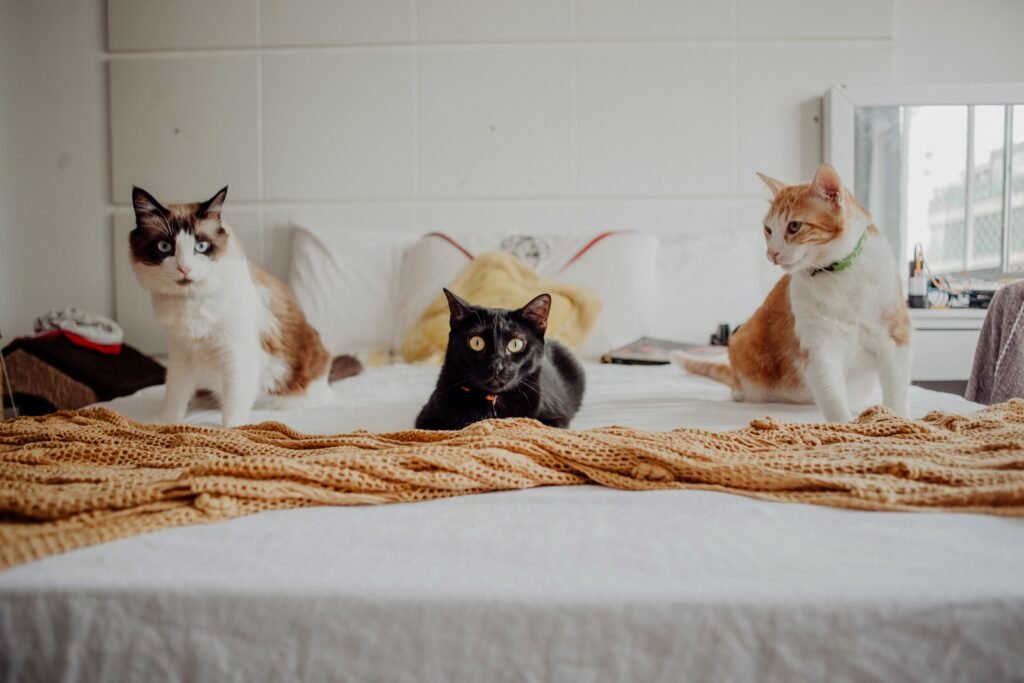
A cat’s needs change as it ages, and the same basic recipe rarely works for every stage. Texture and ratios change more than the overall strategy.
Healthy adult cats
A diet high in muscle meat and low in organ meat and calcium is ideal for a healthy adult. A common working split is 80% muscle meat, 10% organ, and 10% bone or a calcium substitute.
That ratio nearly matches what a cat would get from whole prey, without needing you to locate actual bone. Portions typically range from three to six ounces per meal, split into two or three feedings, depending on the cat’s size and activity level.
Kittens
Because they burn energy so quickly, kittens need more fat and protein than adults. Add a little extra fat, such as fish oil, and slightly increase the amount of lean meat to support their growth.
They also often eat four or five little meals a day. A smoother, finer mixture is easier for young kittens to manage before their teeth fully develop.
Since growing leaves little room for error, many doctors advise kittens on a completely homemade diet to consult a veterinary nutritionist.
Senior cats
Because elderly cats may have weaker jaws, damaged teeth, or slower digestion, texture becomes the main adjustment. Smoother, almost mousse-like stews are easier to consume than lumpy ones.
Because they move less and need less fat, seniors often look better in thinner cuts. A bit of additional broth adds moisture while mixing, which encourages hydration and slows down the kidneys’ aging process.
Cooking for a cat with a health condition
In other cases, recipes need substantial changes, not just a softer texture. Before making these adjustments, always consult your veterinarian, since a mistake might worsen the problem you’re trying to fix.
Kidney disease
Cats with renal disease often need less phosphorus, moderate protein, and more water to reduce the stress on their kidneys.
Phosphorus-rich organ meat often doesn’t fit as well as certain lean fish and egg whites. A veterinarian may set the exact protein ceiling for your cat’s stage of illness.
Urinary problems
Cats who are prone to crystals or blockages may benefit from increased moisture and careful mineral balance.
Adding extra broth during blending increases water intake, which helps flush the urinary tract throughout the day.
Another common tactic is to reduce the amount of fish you feed, since some species contain high concentrations of minerals associated with crystals.
Food allergies
The best approach is to try one special protein, like venison or rabbit, that the cat has never eaten. Don’t add any additional proteins, flavorings, or fillers while you isolate the trigger.
A veterinarian may confirm whether the food is causing the symptoms before making a long-term change.
Tools that make the job easier
You don’t need a certain setup to start. A few basic tools are all you need to produce a first batch.
- A culinary scale to accurately assess the proportions of meat to organs
- Use a food processor or immersion blender for a smooth texture.
- A meat thermometer to ensure the meat is thoroughly cooked
- Silicone molds or tiny freezer-safe containers
- Taurine powder and other supplement measuring spoons
- Gloves that may be discarded while working with raw meat and organs
A basic blender and a kitchen scale do most of the work. You may add the rest as you develop the habit.
Storing homemade cat food so it stays safe

Since homemade food doesn’t contain the preservatives that make canned food safe, handle it like any cooked meat you’d make in your own kitchen.
According to U.S. government food safety regulations, refrigerate cooked meat for only three to four days, and consume raw ground beef within one to two days.
Freezing extends that timeframe significantly. Portion a batch into sealed containers or silicone molds and keep it in the freezer for a month or two with little change.
Instead of leaving frozen parts out on the counter, thaw them in the refrigerator overnight. Thawing at room temperature lets germs thrive on the surface while the core stays frozen solid.
Lastly, never leave wet food out for more than an hour or two, and let refrigerated portions come to room temperature before serving.
Common mistakes that turn a good idea risky
Most homemade cat food failures come down to a few repeat offenders. Catch problems early to keep them from creeping into every batch.
- Except taurine, which heating mostly destroys
- using just muscle meat no organ or calcium sources
- Giving raw meat without consulting a veterinary
- Eyeball amounts instead of measuring ingredients each time
- Changing your cat’s whole diet at once instead of gradually
- Batches that are stored for an extended period of time before being frozen or discarded
These gaps are far more common than the general public believes. The Journal of the American Veterinary Medical Association released the results of UC Davis researchers’ analysis of 114 homemade cat food recipes.
Even recipes created by veterinarians did not include all the nutrients in the prescribed proportions. This finding does not imply that you should give up cooking at home.
It’s a good idagood idea to have your recipe reviewed at least once by a veterinarian or veterinary nutritionist before your cat starts eating it daily.
Frequently asked questions
Do I really need a taurine supplement if I use fresh meat?
Yes, in most prepared foods. Fresh meat contains taurine, but boiling removes most of it, so unless your vet says otherwise, a supplement is best.
Is raw better than cooked for homemade cat food?
Raw food retains more natural taurine, but it also increases the risk of infections like Salmonella entering your home and infecting your cat. Follow the guidelines for safe handling and sourcing if you decide to feed raw.
How much should I feed per day?
This depends on your cat’s age, weight, and activity level. For many adult cats, start with 3 to 6 ounces per meal, two or three times a day. Depending on your cat’s weight and your veterinarian’s advice, you may adjust this.
Can homemade food fully replace commercial food?
It can, but only if the recipe is really thorough and well-balanced. A veterinary nutritionist’s quick assessment might be the difference between a creeping nutritional shortfall and a full replenishment.
Is making cat food at home cheaper than buying it?
When you factor in your time, premium meat, and vitamins, it can be less expensive especially in large quantities but not always. For most owners, control and freshness are more important than cost.
Fresh, balanced meals your cat can thrive on
You don’t need to memorize the recipe for homemade wet cat food. It’s a method that gets around the cat in front of you.
An elderly adult, a kitten, and a cat with renal issues all start with the same base of animal protein, taurine, and healthy fat; you adjust it differently.
Keep each batch as fresh as possible, make sure the foundation is perfect, and discuss any medical changes with your veterinarian. That’s what turns a decent idea into something you can trust, bowl after bowl.
Pingback: Can Kittens Eat Wet Cat Food? A Vet-Informed, Age-by-Age Guide - Eachpetscare