
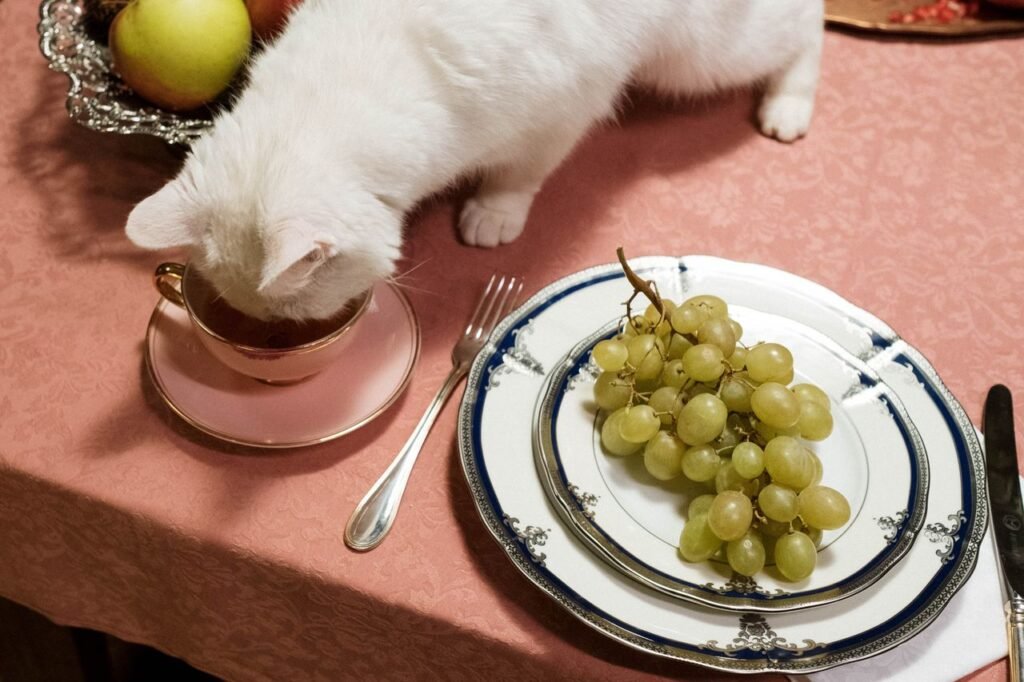
Store shelves are packed with cans and pouches, yet more cat owners are turning to their own kitchens instead.
The idea is simple on the surface: cook a meal your cat actually needs, using ingredients you picked yourself.
But homemade wet food only works if it’s built the right way, with the right ratios and the right nutrients in place.
This guide walks through the full process, from the reasons owners switch to the exact steps, life-stage variations, storage rules, and mistakes to avoid.
By the end, you’ll have a clear, practical picture of how to feed your cat fresh meals without guessing.
Why Make Wet Cat Food at Home?
Control is the biggest draw. When you cook the meal yourself, you know exactly what went into the bowl, down to the cut of meat and the water used to cook it.
Commercial wet food often leans on fillers like corn starch, gums, and by-products to bulk up texture and stretch a budget.
Homemade batches skip that padding entirely, since every ingredient is chosen on purpose rather than added for shelf stability.
Freshness plays a role, too. A can of store-bought food might sit in a warehouse for months before reaching a shelf, while a homemade batch goes from the stove to the bowl within days.
Some owners also turn to homemade meals because their cat is sensitive to a common commercial ingredient, and cooking from scratch lets them remove that trigger without overhauling the whole diet.
Essential Nutrients and Ingredients Cats Need in Wet Food
Before any recipe makes sense, it helps to understand what a cat’s body actually runs on. Cats are obligate carnivores, meaning their systems are built almost entirely on animal-based nutrition rather than plant matter.
Skipping this step and jumping straight to a recipe is how well-meaning owners end up with meals that look right but fall short nutritionally.
The sections below break down the core building blocks that every homemade batch needs.
Animal Protein Is Non-Negotiable
Meat, poultry, or fish should make up the bulk of any cat meal, not a side ingredient.
Cats need far more protein per pound of body weight than dogs or humans, and most of it must come from animal tissue rather than grains or legumes.
Muscle meat, organ meat, and fish all count, though each brings a slightly different nutrient profile to the bowl.
Taurine Keeps the Heart and Eyes Working
Taurine is an amino acid that cats cannot produce on their own in sufficient amounts, so it has to come from food.
Taurine helps regulate how well the heart contracts and pumps blood, and it plays a role in maintaining steady blood pressure. A cat that goes without enough of it can develop dilated cardiomyopathy, a serious weakening of the heart muscle.
Veterinary researchers first confirmed this link in the mid-1980s, and commercial cat food has been formulated with added taurine ever since. Heart muscle, dark poultry meat, and certain fish are naturally rich sources, so recipes built around these cuts have a head start.
Fat and Essential Fatty Acids
Fat isn’t just calories for a cat; it carries fat-soluble vitamins and supports skin and coat health.
Fish oil, chicken fat, and the natural fat found in cuts like thigh meat all supply the fatty acids a homemade recipe needs.
Too little fat leaves a coat dull and dry, while too much can pack on weight quickly, given how calorie-dense fat is.
Ingredients to Leave Out Entirely
- Onion, garlic, and chives, which damage red blood cells in cats
- Raw eggs, which carry a salmonella risk and block certain B vitamins
- Grapes, raisins, and chocolate are all toxic even in small amounts.
- Excess liver, which can cause vitamin A toxicity over time
- Bread, rice, or pasta as filler, since cats gain little from grains.
How to Make Wet Cat Food?
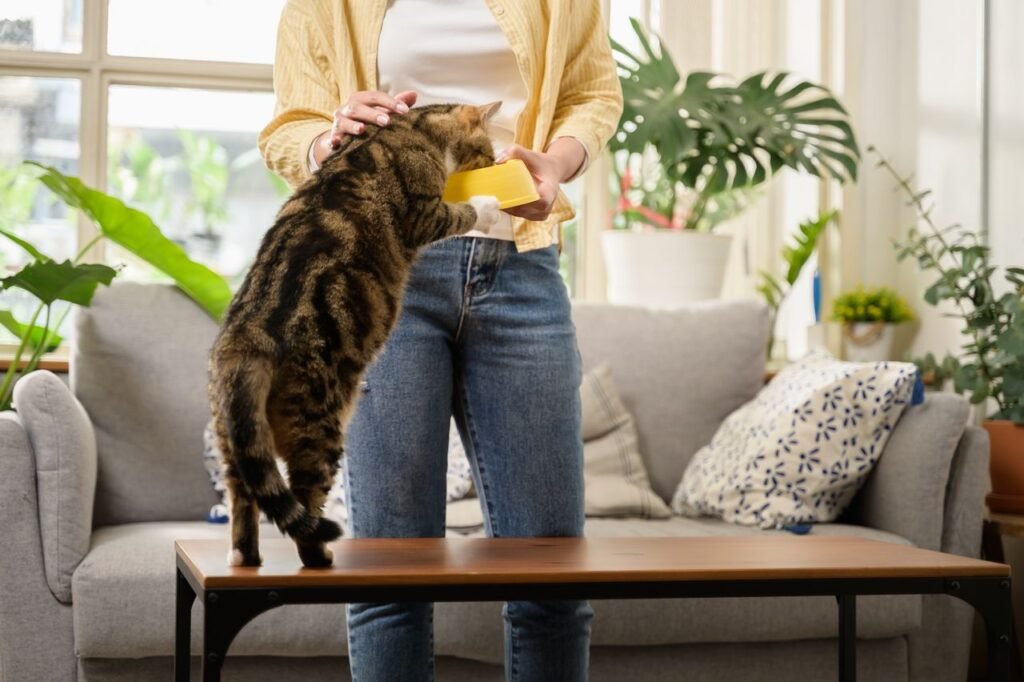
Once the nutrient basics are clear, the actual cooking process is fairly straightforward. It follows a set order every time, regardless of which recipe variation you land on.
Below is the general method most homemade wet food recipes follow, before any life-stage or health adjustments are layered in.
- Choose a primary animal protein, such as chicken thigh, turkey, or salmon.
- Trim visible fat if the cut runs heavy, keeping a moderate amount.
- Cook the meat thoroughly by boiling, steaming, or baking, never serving it raw unless a vet has approved it.
- Blend or finely chop the cooked meat with its cooking liquid for a moist, canned-style texture.
- Mix in a vet-approved taurine supplement, since cooking breaks down some natural taurine.
- Portion the finished batch into meal-sized containers before cooling and storing
Cooking the meat in its own broth, rather than plain water, keeps more flavor and moisture in the final texture.
A food processor or immersion blender gets the mixture close to what a cat expects from a can, smooth with a bit of shred.
Always let the batch cool completely before sealing the containers, since trapping steam can cause bacteria to grow faster.
Wet Cat Food for Healthy Adult Cats
A healthy adult cat does well on a base recipe built around a roughly even split of muscle meat and a smaller portion of organ meat.
A common working ratio is about 80 percent muscle meat, 10 percent organ meat such as liver or kidney, and 10 percent bone or a calcium substitute.
This balance mirrors what a cat would naturally get from whole prey, without asking the owner to source actual bone.
Cook the mixture as described in the core method, then stir in the taurine supplement once the meat has cooled slightly.
Portion sizes generally range from 3 to 6 ounces per meal, split into 2 or 3 feedings a day, depending on the cat’s weight and activity level.
Wet Cat Food for Kittens
Kittens burn through calories fast, so their meals need a noticeably higher share of protein and fat than an adult recipe provides.
Increase the muscle meat portion slightly and add a touch more fat, such as a small amount of chicken skin or fish oil, to support rapid growth.
Kittens also need more frequent meals, often four to five small servings a day rather than two or three larger ones.
Texture matters here as well. A finer blend, closer to a smooth pate than a chunky stew, is easier for young kittens to eat before their teeth fully come in.
Because growth-stage nutrition leaves little room for error, many vets recommend consulting a veterinary nutritionist when kittens are on a fully homemade diet.
Wet Cat Food for Senior Cats
Aging cats often deal with weaker jaws, fewer teeth, or a slower gut, so texture becomes the main adjustment point.
A softer, almost mousse-like consistency is easier to chew and digest than the chunkier texture suited to a younger adult.
Lean cuts work better here, too, since senior cats are often less active and don’t need as much fat as a younger cat would.
Some older cats also benefit from a slightly higher moisture ratio, achieved by adding a bit more broth during blending, which supports kidney function and hydration.
Portion sizes may need to be reduced slightly if the cat has become less active, though any major changes in appetite or weight are worth mentioning to a vet.
Wet Cat Food for Cats with Health Conditions
Certain conditions call for real changes to the base recipe, not just texture tweaks. These adjustments should always be made in consultation with a veterinarian, since getting them wrong can worsen the very condition you’re trying to manage.
The categories below cover the most common conditions owners run into when cooking for a cat with a medical need.
Kidney-Friendly Adjustments
Cats with kidney disease generally need lower phosphorus and moderate protein, paired with a higher moisture content to ease the kidneys’ workload.
Egg whites and certain lean fish tend to fit better here than organ meat, which runs high in phosphorus.
A vet can confirm the exact protein ceiling that fits your cat’s specific stage of kidney disease.
Urinary Health Adjustments
Cats prone to urinary crystals or blockages often do better on a diet with more moisture and a controlled mineral balance, particularly magnesium.
Adding extra broth during blending naturally increases moisture intake, which helps flush the urinary tract more consistently throughout the day.
Avoiding excess fish, which tends to run higher in certain minerals linked to crystal formation, is another common adjustment.
Food Allergies and Sensitivities
An elimination approach works best here, built around a single novel protein the cat hasn’t eaten before, such as rabbit or venison.
No fillers, no flavorings, and no secondary proteins should sneak into the batch while you’re isolating the trigger.
A vet or veterinary dermatologist can help confirm whether symptoms are actually food-related before you commit to a long-term recipe change.
Tools and Equipment Needed for Homemade Wet Cat Food
A handful of kitchen tools make the whole process faster and far less messy.
- A kitchen scale, for weighing meat and organ ratios accurately
- A food processor or immersion blender, for a smooth, canned-style texture
- A digital meat thermometer is used to confirm that the meat is fully cooked.
- Small, portion-sized containers or silicone molds for freezing
- A set of measuring spoons for supplements like taurine powder
- Disposable gloves are useful when handling raw meat and organs.
None of these needs to be expensive or specialized. A basic blender and a kitchen scale cover most of what a first batch requires.
How to Store and Preserve Homemade Wet Cat Food Safely
Homemade food contains none of the preservatives that keep store-bought canned food shelf-stable, so storage rules matter more here than with commercial food.
Refrigerated batches should be treated the same way as any home-cooked meat dish. According to the USDA Food Safety and Inspection Service, cooked leftovers are generally safe in the fridge for about 4 days, while raw ground meat should be used within 1 to 2 days.
Freezing extends that window considerably. Portioned batches, sealed in airtight containers or silicone molds, hold up well in the freezer for one to two months without a noticeable drop in quality.
Thaw frozen portions in the refrigerator overnight rather than on the counter, since thawing at room temperature lets bacteria multiply on the outer layer before the center even defrosts.
Always let a portion cool to room temperature before serving it to your cat, and never leave a bowl of wet food sitting out for more than an hour or two.
Common Mistakes to Avoid When Making Wet Cat Food at Home
Skipping the taurine supplement is one of the most common errors, since cooking meat destroys a significant portion of its natural taurine content.
Relying only on muscle meat, without organ meat or a calcium source, leaves gaps in vitamin A, iron, and bone-related minerals.
A 2019 study published in the Journal of the American Veterinary Medical Association reviewed dozens of homemade cat food recipes and found that a large share fell short of one or more essential nutrients, even when the recipes came from published sources.
Other frequent slip-ups include:
- Feeding raw meat without veterinary guidance on safe handling
- Guessing portion sizes instead of weighing ingredients consistently
- Adding onion or garlic for flavor, both are toxic to cats.
- Storing batches too long before freezing or discarding them
- Switching a cat’s whole diet overnight instead of transitioning gradually
Working with a veterinary nutritionist, even for a single recipe review, catches most of these issues before they become a pattern.
Bringing It All Together: Feeding Your Cat Fresh, Balanced Meals for Life
Homemade wet cat food isn’t a single fixed recipe; it’s a method that flexes around the cat eating it.
A kitten, a senior cat, and a cat managing kidney disease all need the same foundation of animal protein, taurine, and proper fat, just tuned differently.
Getting the base right, checking in with a vet on medical adjustments, and storing batches safely are what turn a homemade meal from a nice idea into a reliable one.