
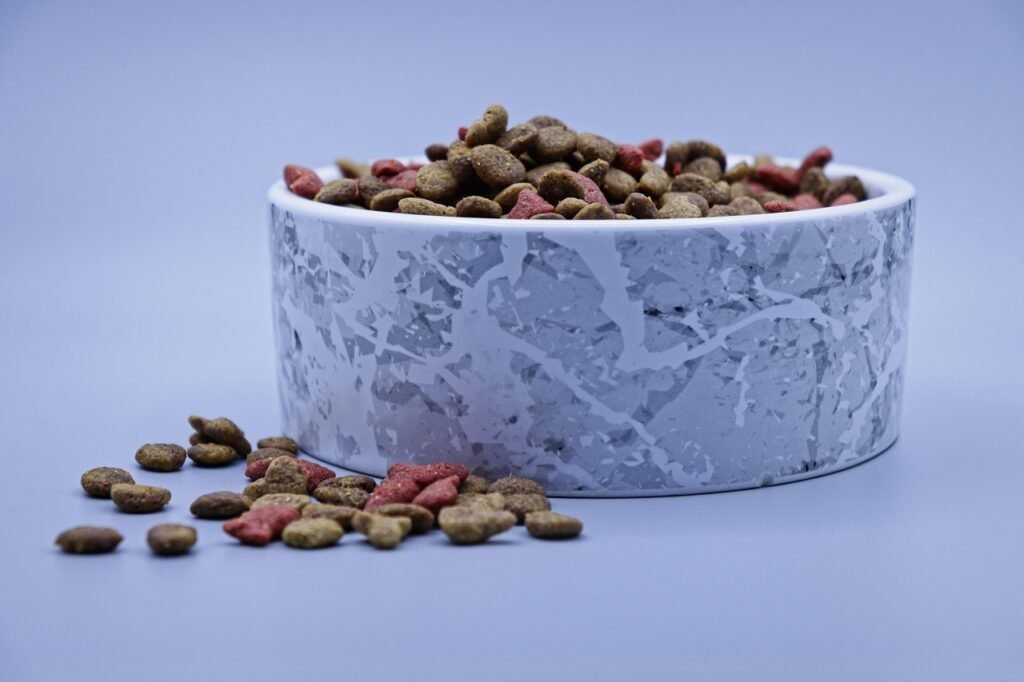
After a minute of standing in a pet food aisle, the decision seems straightforward. Bags of kibble are on one side, while cans and pouches are on the other.
The advice then begins. Canned food rots teeth, according to one source, while kibble damages the kidneys, according to another, and both seem likely.
Because cats with varied bodies react differently to each format, there is a penalty associated with guessing. More is at risk for a cat that is prone to weight gain or bladder stones than for most others.
In terms of water, calories, nutrients, cost, and health issues, this information contrasts wet vs dry cat food. You’ll be able to choose which one best suits your cat.
The Short Answer: Neither Wins for Every Cat
Both wet and dry meals are suitable for a healthy cat. A label that says the food is complete and balanced for your cat’s life stage is called a condition.
The decision then boils down to what your cat likes, according to the Cornell Feline Health Center. There is no inherent health benefit to either configuration, according to a Tufts University veterinary nutritionist. Cornelltuftscatnip
When a medical problem is involved, that impartial assessment shifts. A sore mouth, diabetes, urinary issues, and being overweight all influence the preference for moist food.
In terms of cost, storage, and calorie density, dry food maintains its benefits. The following sections highlight the significance of each strength.
How Wet and Dry Cat Food Actually Differ
Water is the only component that accounts for almost all of the variations between the two styles. When you remove the water from canned food, the gap becomes much smaller.
Before comparing brands, take a hard look at these three distinctions.
| Dry food | Wet food | |
| Water content | 6 to 10 percent | 75 percent or more |
| Calories per 100 g | Roughly 300 to 400 | Roughly 80 to 120 |
| Cost per calorie | Lower | Higher |
| Once served | Can stay out through the day | Needs lifting within hours |
| Opened package | Sealed, cool, dry storage | Refrigerate, use within days |
Water Content

According to Cornell’s cat experts, canned food should have at least 75% water and dry food should contain 6 to 10%. In between, at around 35%, is a third category of food that is semi-moist. Cornell Cornell
Cats don’t drink enough to bridge that difference, which is why it matters. Dry-fed cats still consume less water overall than wet-fed cats, according to a renal expert at Tufts. Tuftscatnip
This was directly examined in a 2011 research published in the British Journal of Nutrition. Cats on a 73 percent moisture diet consumed more fluids overall and had more diluted pee. Cambridge
Calories Per Gram
Water doesn’t contribute calories, but it does increase weight. As a result, each gram of kibble has around three to four times as many calories as canned food. Haccuentas
While canned food typically displays 80 to 120 calories per 100 grams, many kibble brands indicate 300 to 400. Because brands differ greatly, check your own labeling. Haccuentas
This is reciprocal. For a cat that requires more energy, dense food is ideal, while for a cat that does not, it facilitates overfeeding.
According to a professor of veterinary nutrition at Texas A&M, most adult cats only need 200 calories per day. That is around 50 to 65 grams of food at kibble’s density. Tamu
Protein and Carbohydrates
As obligate carnivores, cats are designed to consume food that is rich in protein and low in carbohydrates. Compared to canned food, kibble often has more carbohydrates. Cornell
Nutritionists at Tufts define it as an overall tendency with certain deviations. They emphasize that the carbohydrate gap by itself is not a cause to switch for the majority of healthy cats. Tuftscatniptuftscatnip
The Label Trap That Fools Most Shoppers
A can only contains 10% protein, however a kibble bag may have 34%. On paper, the can seems weaker, but water makes up the majority of its weight. Tuftscatnip
Instead, compare the two using dry matter. After deducting the moisture percentage from 100, divide the protein number by the remaining amount.
In this case, a can containing 78% moisture corresponds to around 45% protein. At 10% moisture, the kibble equals around 38%.
Matching the Format to Your Cat
More than any brand promise, the balance is shifted by age and health. Look for the description that best describes your pet.
Use them as a starting point for a conversation with your veterinarian if there is a medical concern involved.
Kittens
The pace at which growing kittens use energy is astounding. According to the 2021 AAHA/AAFP Feline Life Stage Guidelines, a ten-week-old requires 200 calories per kilogram of body weight per day. Aaha
That number falls to 80 after 10 months. Calorie-dense kitten food helps since a tiny stomach must store all that nourishment. Aaha
Wet kitten food increases moisture, and growth-oriented kibble works well for this. But habit is a more compelling reason to feed both.
Cats reared on one texture tend to be resistant to the other, according to a nutrition expert at Texas A&M. If a change is eventually required due to disease, such resistance becomes an issue. Tamutamu
Healthy Adult Cats
Adults in good health have the most options. Both formats are effective, as is a combination of them.
The open buffet poses the most danger when it comes to dry food. Free-choice feeding may cause cats to overeat, according to the AAHA/AAFP standards. Aaha
Rather of filling the dish, weigh the daily kibble on a kitchen scale. Add wet meals to your cat’s diet if they don’t drink much.
Senior Cats
Wet food tends to provide older cats two benefits: a richer scent and a softer texture.
Cats older than seven years old preferred wet food that was heated to 37°C, according to a 2022 research published in the Journal of Veterinary Behavior. For an elderly person whose appetite is waning, warming is a simple approach. Awionline
As people age, kidney disease also becomes increasingly prevalent. According to International Cat Care’s 2026 standards, screening should begin at age seven, allowing for early dietary adjustments. DVM360
Cats With Urinary or Kidney Problems
For wet food, this is the most obvious example. Moisture in food provides the diluted urine that veterinarians need in cats with cystitis or bladder stones. Tuftscatnip
The high-moisture diet also reduced the incidence of calcium oxalate, according to the previously stated British research. One of the most prevalent forms of bladder stones is calcium oxalate. Cambridge
Kidney illness is more intricate. Strong evidence that prescription renal diets increase survival is included in the International Cat Care recommendations. DVM360
There are two types of such diets: wet and dry. The formula is more important than the format for a cat with failing kidneys.
Overweight Cats
A heavy cat may eat less without feeling deprived by using wet food. In 2011, researchers at the University of California, Davis used sixteen cats to test this. The cats were fed either freeze-dried or tinned food. They lost weight and used less energy while using the canned version. Faofao
However, obesity cannot be resolved by format alone. Veterinarians often recommend a specific weight-loss regimen, and portions still need to be measured. Aaha
Diabetic Cats
Canned food is preferred than dry, according to the 2026 AAHA diabetic recommendations for cats. They cite two explanations: fewer calories per unit of food and reduced quantities of carbohydrates. Oh my god!
However, you should never alter a diabetic cat’s food without consulting your veterinarian. The cat’s insulin requirements may be rapidly altered by a lower-carb diet. Diabetes in felines
Cats With Sore Mouths
The dental benefits of Kibble are significant yet modest. Regular brushing is considerably superior than dry food, according to Tufts vets. Tuftscatnip
A tested impact has only been shown by dental diets with the Veterinary Oral Health Council seal. Soft food allows cats with sore teeth or gums to consume until they get treatment. Pet diets
Feeding Both: How to Mix Wet and Dry Without Overfeeding

The majority of healthy cats benefit from mixed feeding. Water is provided via wet meals, and convenience is provided by a portioned amount of kibble.
Math is the catch. The professor from Texas A&M who was previously cited emphasizes that the number of calories from both items must be added together. Tamu
The stages in a practical routine are as follows:
1. Look for the number of calories on each label.
2. Work with your veterinarian to establish a daily calorie goal.
3. Select the portion, such as half of each meal.
4. Use a kitchen scale to weigh the kibble portion.
5. Lift the leftovers and serve wet food as set dinners.
To prevent upset stomachs, introduce any new meal gradually over the course of a week or so. Before anything else is put in the dish for cats on prescription diets, a veterinarian must provide their consent.
Several modest meals a day are preferred by the American Association of Feline Practitioners over one or two big ones. That plan works for a wet breakfast and supper with kibble in a puzzle feeder in between. Nihnih
Cost, Storage, and Daily Handling
Dry food is less expensive. Canned food is often the most costly variety, according to Cornell, who characterizes it as reasonably priced. Cornell
Since you have to pay for the water in each can, the difference grows every calorie. Additionally, once opened, wet food deteriorate more quickly. Royalcanin
Depending on the manufacturer, wet food should be left in the dish for one to four hours. The remainder of an opened can should be refrigerated and used within three days. What’s the longest you can keep wet cat food out before it spoils? +2.
Kibble also need upkeep. Long-term storage diminishes vitamins and increases the risk of rancid fats, according to Cornell. Cornell
Respect the expiry date and store the sealed bag in a cool, dry location. Whatever food is placed in the dish, wash it every day.
Common Questions About Wet and Dry Cat Food
Can a cat live on dry food alone?
Yes, if your cat maintains a healthy weight and the diet is comprehensive and balanced. Weigh the daily allotment and have fresh water on hand at all times.
Can a cat live on wet food alone?
Yes, under the same label-related conditions. Cornell points out that certain gourmet and specialty cans are not nutritionally balanced, so be sure to carefully read them. Cornell
Does adding water to kibble work as well as wet food
Urine was diluted by the 73 percent moisture diet in the British research, which consisted of dry food with water added. Taste is a practical barrier since cats often don’t appreciate rehydrated food. Oupivis Serve it fresh and discard any leftovers after the meal if your cat takes it.
How much wet food replaces a portion of dry?
Compare calories rather than volume. Let’s say that 20 grams of your kibble has 70 calories.
The quantity of wet food that likewise has 70 calories is therefore required. That is 70 grams if the can says 100 calories per 100 grams.
Pingback: Can Kittens Eat Wet Cat Food? A Vet-Informed, Age-by-Age Guide - Eachpetscare
Pingback: Can Wet Food Cause Diarrhea in Cats? - Eachpetscare