
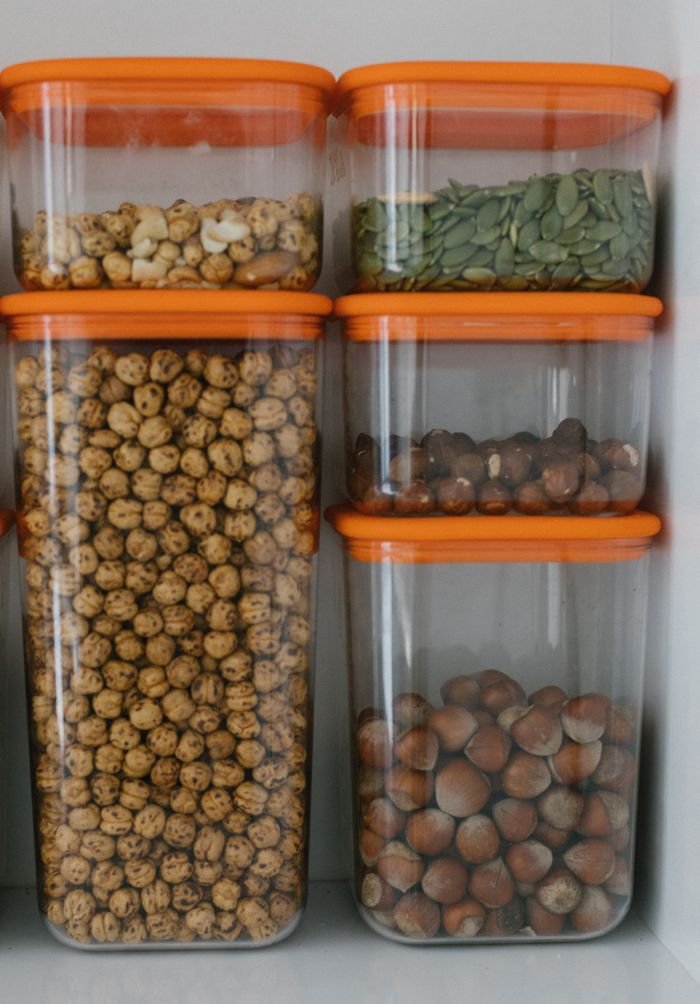
That bag of kibble sitting in your pantry looks tough enough to survive anything. It’s dry, it’s sealed, and it doesn’t smell like much of anything at all.
Because of that, a lot of cat owners assume dry food basically lasts forever once it’s bought. That assumption is where the trouble usually starts.
Kibble is shelf-stable, not shelf-permanent. The fats, oils, and vitamins inside every piece quietly break down from the moment the bag leaves the factory, and how you store it from there determines how fast that breakdown happens.
Does Dry Cat Food Expire
Yes, dry cat food does expire, even though it looks and feels the same for months on end.
The main culprit is fat oxidation. Kibble is coated in fats and oils to make it tasty, and those fats react with oxygen over time and turn rancid.
Rancid fat isn’t just unappetizing. It can upset a cat’s stomach and strip away nutrients like vitamin E and vitamin A along the way.
Vitamins such as taurine, which matter for a cat’s heart and eye health, also break down when exposed to heat and light over time. Add in the risk of moisture sneaking in and encouraging mold or bacteria, and it’s clear why kibble has a real limit.
So while dry food resists spoilage far better than wet food does, it still ages, and feeding your cat food well past its prime can affect both its safety and its nutrition.
Does Unopened Dry Cat Food Expire
An unopened, factory-sealed bag is the best-case scenario for kibble, but it still isn’t frozen in time.
Every bag carries a printed best-by date, and manufacturers set that date based on how long the recipe holds its nutrition and flavor under normal conditions. In the United States, the FDA and AAFCO oversee pet food labeling, though the exact wording and placement of that date is largely left to the manufacturer.
As long as the seal stays intact and the bag is kept somewhere cool and dry, the food inside stays fairly stable right up to that date.
Heat speeds everything up, though. A sealed bag left in a hot garage or car trunk can lose nutrients far faster than one kept in a pantry, even if the seal never breaks.
Sunlight and humidity work against the bag too, so where you store it matters just as much as whether it’s been opened.
Does Opened Dry Cat Food Expire
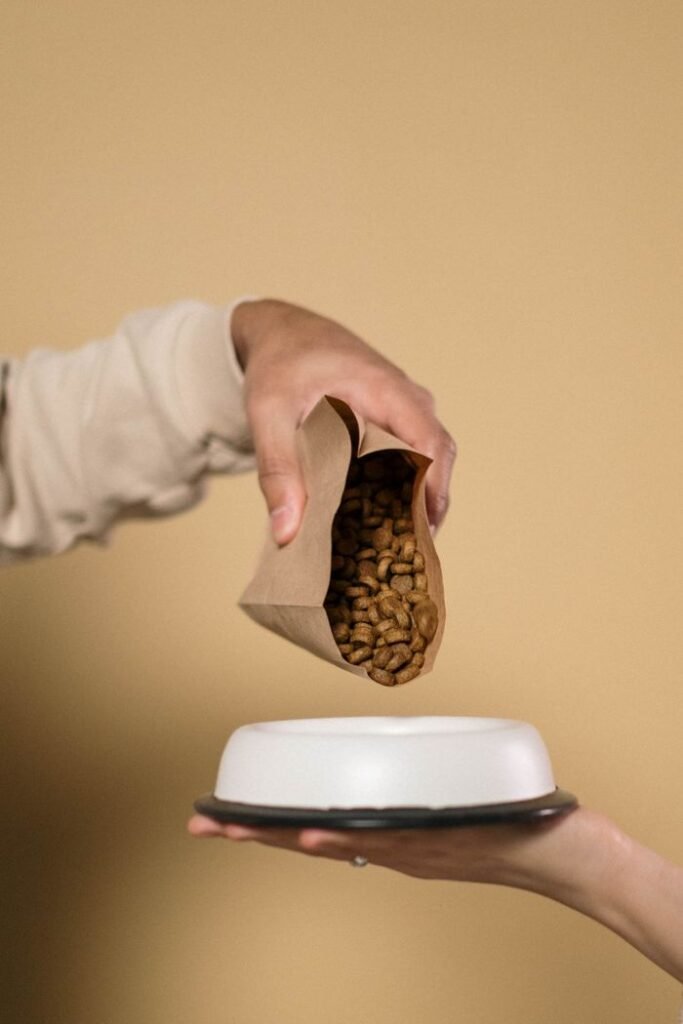
Once you tear open that bag, the clock starts running much faster than the printed date suggests.
Air is the biggest problem. Every time the bag opens and closes, fresh oxygen gets in and speeds up the same fat oxidation that eventually turns kibble rancid.
Light and humidity add to the damage. A bag left open near a window, or stored somewhere humid like a laundry room, breaks down noticeably quicker than one kept sealed and shaded.
This is why an opened bag needs to be treated on its own timeline, separate from whatever date is printed on the packaging. The best-by date assumes an unopened, sealed environment, and that assumption no longer applies once air gets in.
Rolling the bag tightly shut or transferring it to a proper container slows this process down, but it doesn’t stop it completely.
How Long Does Dry Cat Food Last Before It Expires
Timeframes vary by brand, but there are some fairly consistent patterns worth knowing.
Unopened kibble generally holds up for a solid stretch when stored properly:
- Most sealed bags last around 12 to 18 months from the manufacturing date.
- Formulas with natural preservatives like tocopherols may run shorter, closer to 9 to 12 months.
- High-fat recipes, such as those made with salmon oil or chicken fat, tend to expire sooner.
Opened kibble moves on a much tighter schedule. Once the seal is broken, most bags should be used up within about four to six weeks, regardless of what the printed date says.
Budget formulas with heavier artificial preservatives sometimes stretch a little longer once opened, while natural or grain-free recipes without those preservatives tend to go stale or rancid faster.
How Long Does Dry Cat Food Last After Expiration Date
Passing the printed date doesn’t flip a switch and make the food instantly dangerous, but it does mean the safety margin is gone.
For a short window past that date, maybe a week or two, sealed food stored in ideal conditions might still be fine. This isn’t guaranteed, though, and it depends heavily on how the bag was stored beforehand.
Rather than relying on the date alone, check the food itself before serving it. A few warning signs matter more than the calendar.
- A sour, oily, or “off” smell that wasn’t there before you opened the bag.
- Kibble pieces that look greasy, discolored, or stuck together in clumps.
- Visible mold spots, tiny bugs, or any signs of moisture damage inside the bag.
- Your cat suddenly refusing food they normally eat without hesitation.
If any of these show up, it’s safer to toss the food rather than risk it. According to Cats.com, feeding your cat expired dry food isn’t recommended, since spoiled or rancid kibble can make a cat seriously ill even when it looks mostly normal. Even food that seems fine can carry lower nutritional value than it should, since vitamin breakdown often happens before any visible spoilage appears.
Does Freeze-Dried Cat Food Expire
Freeze-dried cat food is a different product entirely, even though it sits on the shelf much like kibble does.
Instead of being cooked and coated in fat like traditional dry food, freeze-dried meals have their moisture pulled out through a slow freezing and vacuum process, leaving the protein largely intact.
Unopened, sealed freeze-dried cat food typically lasts around 12 to 24 months after manufacture, similar in range to standard kibble. Once the package is opened, though, its behavior shifts closer to raw food than to kibble.
Because freeze-dried meals often skip heavy synthetic preservatives, exposure to air and moisture tends to affect them faster than a bag of standard dry food. Many brands recommend refrigerating opened freeze-dried food and finishing it within a shorter window than you’d give regular kibble.
Keeping Your Cat’s Food Fresh and Safe
The real answer to whether dry cat food expires comes down to one simple fact: sealed and opened are two completely different timelines.
An unopened bag, kept cool and dry, can trust its printed date fairly well. The moment that seal breaks, though, the food is on borrowed time no matter what the packaging claims.
A few habits go a long way toward stretching freshness safely:
- Buy a bag size your cat can finish within four to six weeks of opening.
- Keep the bag rolled tight or sealed inside an airtight container after each use.
- Store food in a cool, dark spot, never near a stove, window, or garage heat.
- Write the opening date on the bag so you’re never guessing later.
Treating that best-by date as a starting point rather than a guarantee, and paying attention to smell, texture, and your cat’s own reaction to the food, keeps mealtime both safe and something your cat actually looks forward to.