
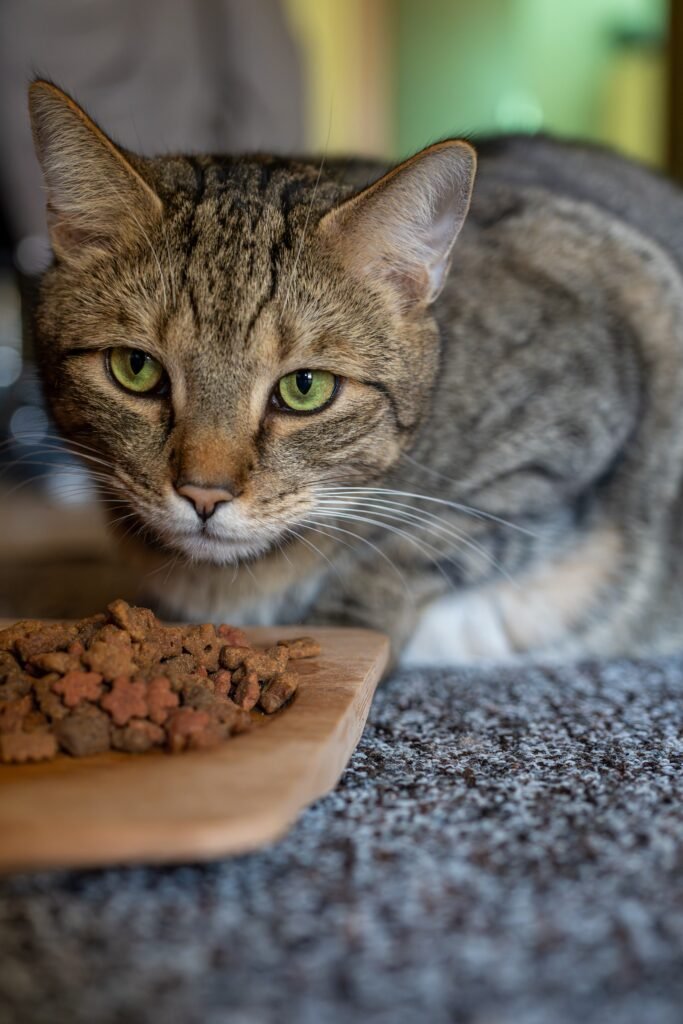
Before you stand there with a scoop of kibble in one hand and a can of wet food in the other, wondering how much of each your cat actually needs, feeding your cat can seem like the simple part of pet ownership. The container and the bag both make different claims about how hungry your cat looks.
Since no single number works for every cat, the misunderstanding makes sense. You can’t even weigh wet and dry food on the same scale, and a dozing senior and a growing kitten use energy very differently.
If the quantity is incorrect over time, the repercussions will gradually become apparent. Too little food can deprive a kitten of the fuel it needs to thrive, while too much food gradually leads to weight gain.
The good news is that determining how many calories your cat needs and how to split those calories between wet and dry food are the two most important factors in choosing the right portion. This tutorial explains how to calculate both, broken down by life stage, and provides useful feeding quantities.
The One Rule That Makes Feeding Simple: Count Calories, Not Scoops
This concept explains most feeding confusion. Feed cats by calories rather than cups or cans; wet and dry food provide those calories very differently.
This matters because the two foods have very different densities. A small 3-ounce can of wet food typically contains only 70 to 100 calories because it is mostly water, while a cup of dry kibble contains 300 to 500 calories. A feeding chart that says “one cup” is meaningless until you know which meal it refers to.
So the short three-step method makes the most sense. Determine your cat’s daily calorie goal based on its weight and life stage. Second, check the number of calories listed on the can or cup for your chosen meal.
Third, use the label numbers to determine the appropriate amounts by dividing that target between wet and dry in any mixture you choose.
The Cornell Feline Health Center is a trustworthy source for advice on creating a healthy routine around this, emphasizing that the best meal is complete and balanced, whether it’s wet, dry, or both.
Wet Food vs. Dry Food: What Each One Does
Knowing what each type of food adds to the bowl helps before dividing the calories. They complement each other; neither is superior.
This is the difference between wet and dry food.
What Wet Food Offers
Water is the main benefit of wet meals. It hydrates a cat with about 70 to 80 percent moisture, which lessens strain on the kidneys and bladder and helps prevent urinary issues.
Cats are naturally poor drinkers, so this is important. Cats never developed a strong thirst drive because their desert-dwelling ancestors got most of their water from prey, and many don’t drink enough from a water bowl. Additionally, wet food is calorie-dense, which supports weight management.
What Dry Food Offers
When it comes to practicality, dry food prevails. It can sit out safely so a cat can graze throughout the day, costs less per calorie, and lasts a long time once opened.
Additionally, there is a minor dental benefit. When a cat bites down on kibble, it scrapes off a small amount of plaque, but it doesn’t replace proper dental care. The primary drawback is its extremely low moisture content, which is ineffective for a cat that already drinks too little.
Why Most Cats Do Best on a Mix

Many veterinarians prefer to provide both foods rather than just one, since each addresses the other’s weaknesses. A mix combines the affordability and ease of dry food with the moisture of wet food.
However, no cat really requires both. A mix is a wise default, not a strict requirement, because a cat can stay healthy on a comprehensive, balanced diet of either kind. Cats that don’t drink much benefit most from leaning wet, since the extra moisture helps protect the urinary system.
How Many Calories Does Your Cat Need?
That daily calorie count is where it all begins. Generally, an active outdoor cat may need up to 35 calories per pound of ideal body weight per day, while an average indoor adult cat needs about 20.
Accordingly, an average 10-pound indoor cat needs 200 to 250 calories per day. Based on a typical dry diet of 350- 400 calories per cup and a wet meal of about 90 calories per 3-ounce can, the table below provides approximate daily goals and corresponding food amounts.
| Cat’s ideal weight | Approx. daily calories | Dry food only | Wet food only (3 oz cans) |
| 6 lb | 130–160 kcal | about 1/3 cup | about 1.5 cans |
| 8 lb | 170–210 kcal | about 1/2 cup | about 2 cans |
| 10 lb | 200–250 kcal | about 1/2 to 2/3 cup | about 2.5 cans |
| 12 lb | 240–290 kcal | about 2/3 cup | about 3 cans |
| 15 lb | 280–320 kcal | about 3/4 cup | about 3.5 cans |
Use these as starting points rather than rigid guidelines. Indolent indoor cats need less, active or outdoor cats need more, and your food’s calorie content may change the amounts, so always read the label.
How Much to Feed by Life Stage
The story doesn’t end with those mature numbers. Over a cat’s life, its calorie needs fluctuate significantly, and the wet-to-dry balance often does too. From kitten to senior, feeding needs change.
Kittens
Kittens require two to three times as many calories per pound as adult cats since they are small growth engines. A fast-growing kitten may eat more than 250 to 300 calories per day despite weighing only a few pounds.
However, because of their small stomachs, frequent meals matter more than the exact wet-to-dry ratio. Three to four small meals a day are ideal for kittens between two and six months; as they near their first birthday, that number drops to two or three.
Newborns never stop eating. After their adult teeth sprout, kitten formula, wet or dry, provides enough hydration and encourages frequent grazing.
Adult Cats
A mature cat settles into the steady needs we established earlier, which are normally between 200 and 250 calories daily for an average indoor cat between the ages of one and seven.
Adjust for activity: a sleepy indoor cat is at the low end, and an active or unneutered cat is at the high end. Two meals a day, split between wet and dry as you see fit, are plenty for most adults.
Since overfeeding is most detrimental when cats are quiet, measuring portions is better than free-feeding, which tends to encourage slow weight gain.
Senior Cats
For senior cats, the advice gets more tailored. As they get older and become less active, many cats need about 15 calories per pound rather than 20.
But a lot of old cats ignore it. Because their bodies digest fat and protein less efficiently, they may lose weight and need slightly more meals.
Because of oral pain and a decreased sense of smell, they often stop eating dry food, so switching to wet food or moistening kibble can help them finish meals. Weighing an elderly cat once a month is the simplest way to spot these changes early.
Pregnant and Nursing Cats
A pregnant cat’s nutritional needs can increase as her litter grows. She usually switches to kitten formula since it contains more of the nutrition and energy she needs right now.
Nursing is the real pinnacle. Because of milk production, a mother cat’s calorie needs can increase two to four times, peaking three to four weeks after delivery.
Four to six little meals a day, or free access to food, helps her avoid running short because nursing drains her of water and energy. Using moist food is also beneficial.
How to Split Wet and Dry Food in Practice
The practical question most owners face is how to divide the day between the two foods. This method is simpler than it looks and helps prevent accidental double-feeding.
Instead of offering full portions of each, combine them to reach the calorie goal. Calculate each food’s calories, then use the other to make up the difference.
For instance, a 10-pound cat that requires roughly 225 calories can get about 90 calories from a 3-ounce can of wet food. The remaining 135 calories would come from a third cup of dry food.
How to divide that is up to you and your cat. Some owners mix both in a single bowl during mealtimes, while others feed wet food at set meals and leave a little dry food out for grazing. Feed in whatever manner that works as long as the daily total remains within the desired range.
Can You Mix Wet and Dry in the Same Bowl?
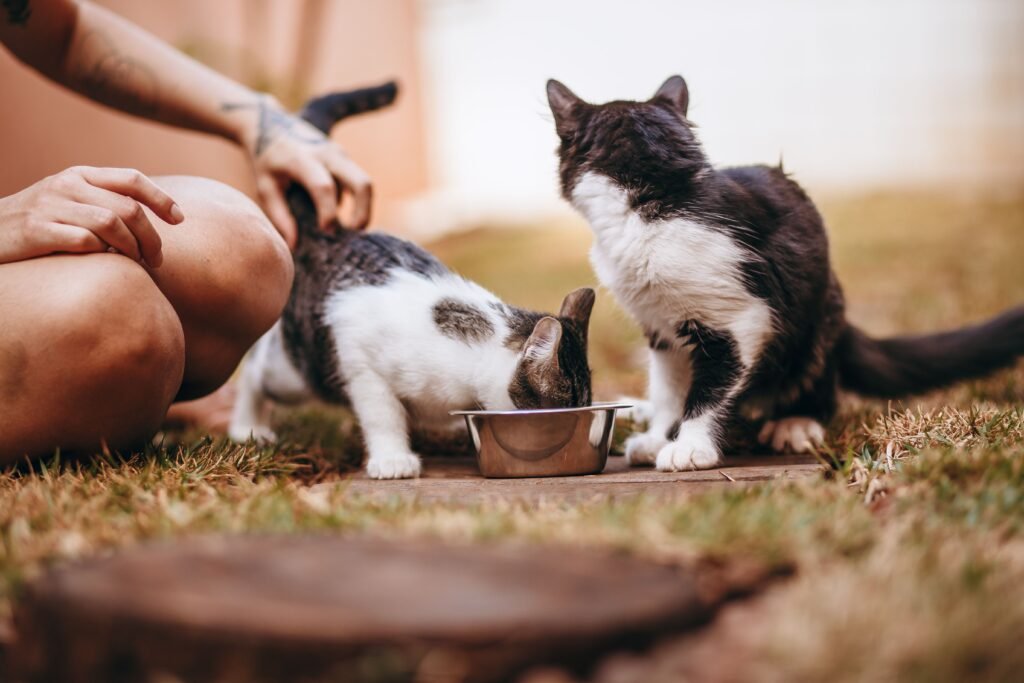
Combining the two textures in one bowl is quite safe from a digestive standpoint. A cat’s stomach can handle both wet and dry foods, so there is no health reason to keep them separate.
The real issue is freshness, not safety. Wet food can dry out and develop bacteria if left at room temperature for more than a few hours, so clean any mixing dish of leftovers within that timeframe instead of leaving it out all day.
Storage follows the same logic. Keep wet food covered in the refrigerator for a day or two, and keep dry food in a sealed container away from heat and moisture. To let their cats graze between wet meals, some owners provide dry food separately because it stays safe longer.
Don’t Forget That Treats Count: The 10% Rule.
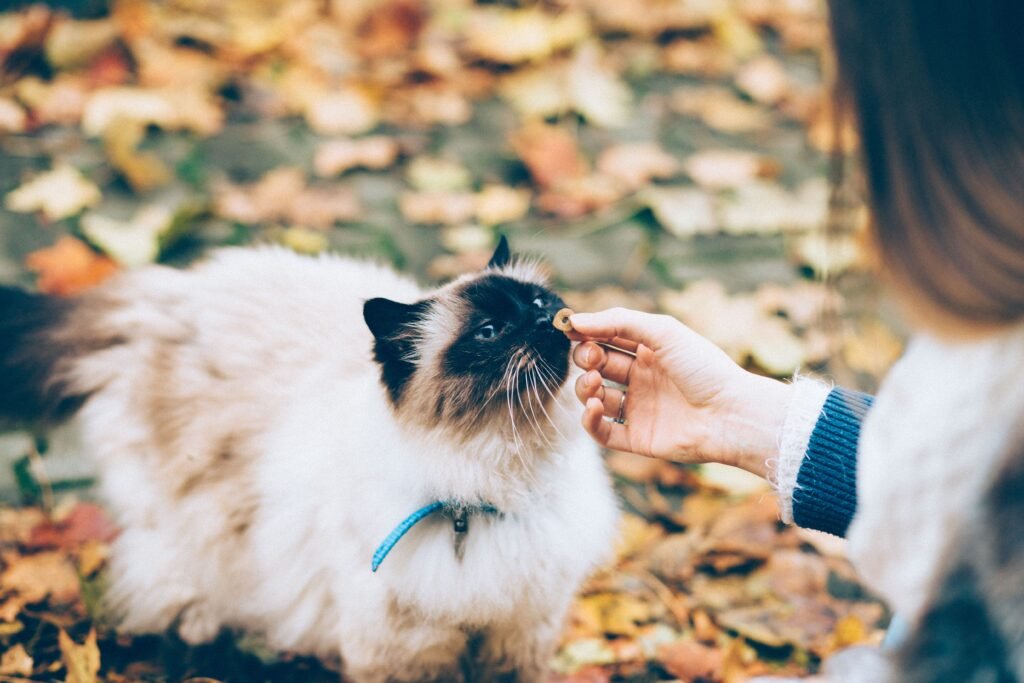
Treats are easy to overlook when calculating calories, and this is where a lot of weight can be gained. A fundamental guideline veterinarians use is the 10% rule.
Treats should make up no more than 10% of your cat’s daily caloric intake, with the remaining 90% coming from a whole, balanced diet. For an ordinary cat, that leaves only 20 to 25 treat calories per day, which two or three commercial treats can easily cover.
Treats must be added to the daily total, not subtracted from it. If you serve snacks, reduce regular food slightly so the extras don’t just make the day longer.
Switching Foods Safely
If you switch brands or move from kitten to adult formula, change your cat’s diet gradually. An abrupt shift might irritate even a healthy cat.
The traditional approach is to blend gradually over seven to ten days. Gradually increase the ratio until the bowl contains only the new food, starting with a small amount of the new meal added to the old.
This eases the transition and helps your cat’s digestive system adjust. Kittens typically switch to adult food around their first birthday, using the same cautious approach.
Common Feeding Mistakes to Avoid
Even caring owners may make a few simple mistakes. Avoiding them can help your cat maintain a healthy weight.
Watch carefully for these common mistakes:
- Relying solely on the bag’s chart, which isn’t tailored to your cat and is based on an average cat.
- When eyeballing dry food, a small over-scoop adds a substantial number of calories.
- The daily total excludes treats and table scraps.
- Free-feeding a cat that struggles with impulse control can lead to weight gain.
- If your cat’s needs have decreased following spaying or neutering, don’t cut portions.
- Weigh servings and your cat rather than guessing to catch problems early.
Frequently Asked Questions
How much wet and dry food should a 10-pound cat eat a day?
Usually, a 10-pound indoor cat needs 200–250 calories a day. That may be one 3-ounce can of wet food and about a third cup of dry food, split into two meals, depending on the calories in your diet.
Is wet or dry food better for cats?
Both can be healthy if they are complete and in harmony. Many owners combine them because dry food is more practical and may aid teeth a little, while wet food offers vital hydration.
How many cans of wet food should a cat eat per day?
A 10-pound cat usually requires 2.5 to 3 3-ounce cans of wet food each day. The exact amount depends on the calories in each can, so check the label.
Can I feed my cat only wet or only dry food?
Yes, as long as the food is complete and balanced. Many cats can survive on just one type of food, but a mix helps cats that don’t drink much stay hydrated.
How often should I feed my cat?
Kittens need three or four smaller meals a day, while most adult cats can do with two. Elderly and lactating cats often do better with smaller, more frequent meals.
Do treats really count toward daily calories?
Yes, give your cat a bit less regular food to make room for treats, which should account for no more than 10% of their daily caloric intake.
Feeding With Numbers, Not Guesswork
Guesswork. The amount of wet and dry food you give a cat is ultimately determined by calories and life stage rather than scoop size. Set your cat’s daily target, check the amounts on your food, and divide them into wet and dry portions based on your cat’s preferences.
Let life stage determine the rest. Elderly and nursing cats need their own adjustments, often with more moist food; adults need regular, measured portions; and kittens need frequent, high-calorie meals.
It mostly boils down to paying attention after that. Weigh your cat every few months, monitor their health, track all treats, and adjust portions before a small drift becomes a major problem. If you do, a mix of kibble and canned food will keep your cat healthy and fed.
Pingback: Is Wet or Dry Food Better for Cats? What the Evidence Says - Eachpetscare