
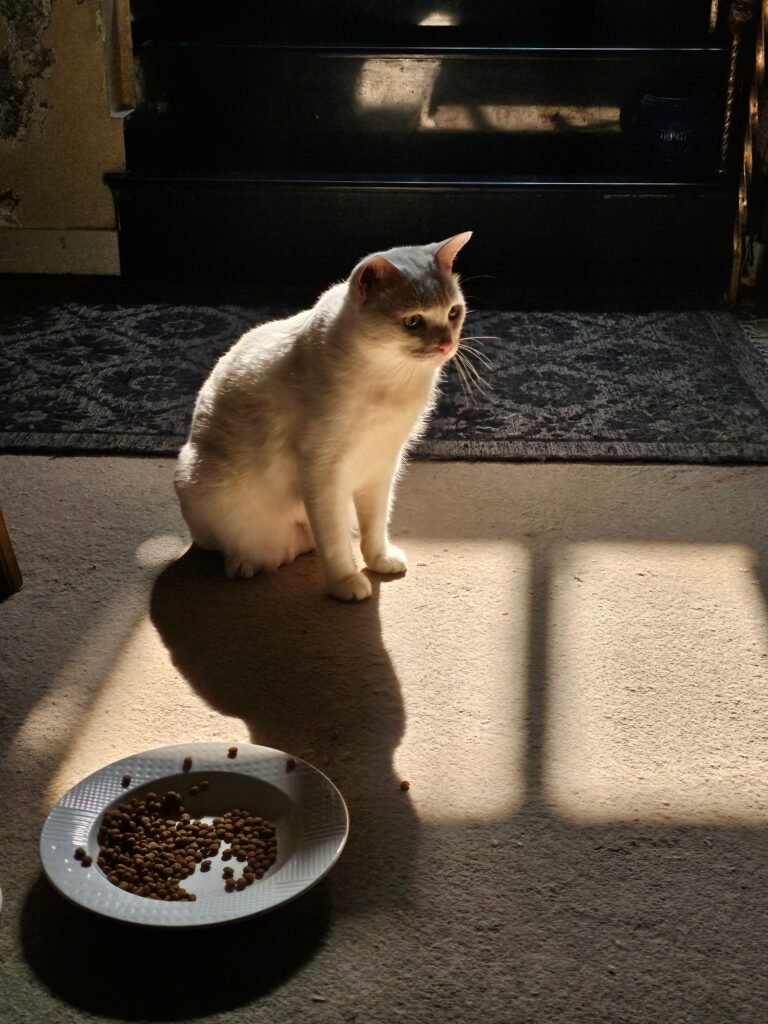
If your cat also refuses to eat dry food, this can be worrying. You may wonder why your cat avoids dry food while happily eating wet food.
But can we feed our cats only wet food?
A cat owner on Reddit shared a similar experience. Her one-year-old cat used to eat dry food without any problem, but now refuses it while still happily eating wet food. She wondered whether this change was something to be concerned about.
A sudden change in eating habits can happen for different reasons. It may be related to dental discomfort, food preferences, stress, or another health issue.In this guide, we’ll look at the possible reasons behind this change and what cat owners should watch for.
Your Cat May Not Like Dry Food
Some cats prefer a different texture. Dry kibble feels hard and dusty compared to the softness of wet food.Wild cats evolved eating prey that was moist and warm, not dry and crunchy. That old instinct still shapes what feels natural to eat today.
Whisker fatigue plays a role too. Deep or narrow bowls press against sensitive whiskers, making dry food feel uncomfortable to eat.
Older cats especially may lose interest in kibble as their sense of smell fades with age. Dry food leans heavily on aroma to seem appealing in the first place.
Your Cat May Not Like the Food
Sometimes the issue isn’t dry food in general, but this specific bag. Cats can be surprisingly picky about brand, flavor, and even the shape of each piece.
A recent recipe change, even a small one, can throw a cat completely off. Manufacturers sometimes tweak formulas without changing the packaging.
Cats also form strong associations between food and how they felt afterward. If your cat got sick once after eating a certain kibble, they may avoid it for good.
Stale food matters more than most owners realize. Kibble left open for weeks loses its smell and taste, and cats notice that shift almost instantly.
The Food Bowl May Be the Problem
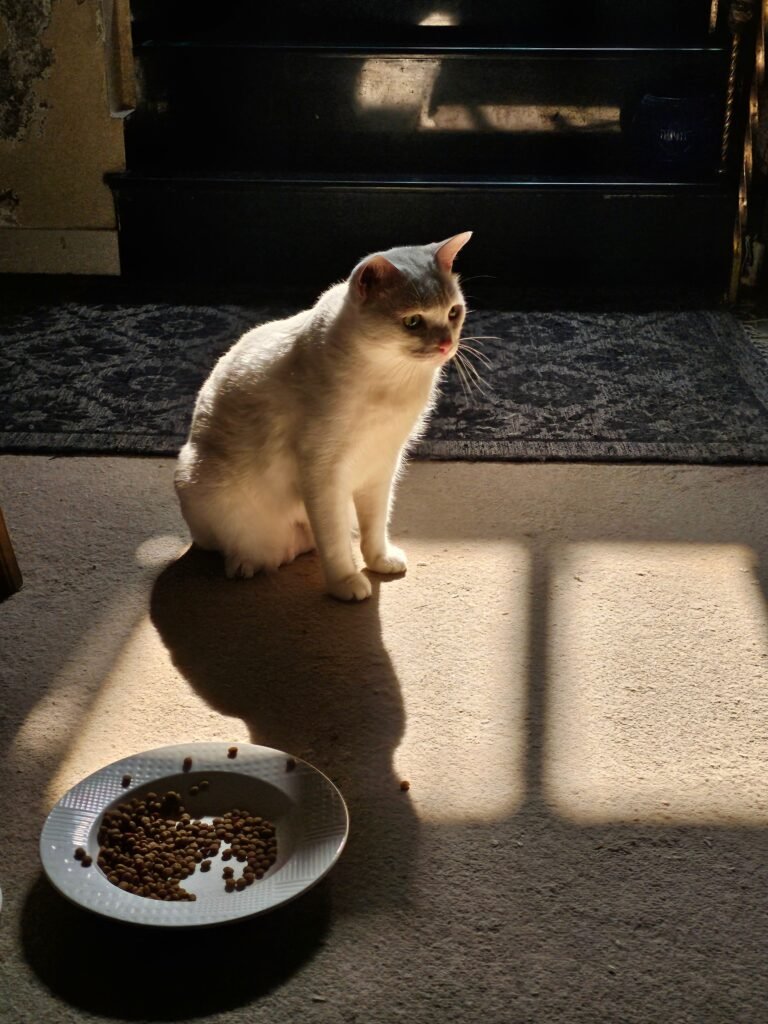
The bowl itself might be turning your cat away from every meal. Plastic bowls trap odors and bacteria, which cats can smell much better than humans.
A bowl that’s too small or too deep forces whiskers to bend awkwardly with every bite. Many cats will stop eating rather than deal with that discomfort.
Placement matters as well. A bowl set too close to a litter box or a noisy appliance can make a cat feel unsafe while eating.
Try switching to a wide, shallow ceramic or stainless steel dish instead. Clean it daily, since leftover residue builds up quickly and can deter cats.
Your Cat May Be Stressed
Cats thrive on routine, and stress disrupts appetite surprisingly fast. A new pet, a moved piece of furniture, or a schedule change can trigger this.
Loud noises near mealtime, like construction or a vacuum cleaner, can make a cat too anxious to approach the bowl. That anxiety often lingers well after the noise stops.
Multi-cat households add another layer of pressure. A cat that feels crowded or watched while eating may avoid the bowl entirely rather than compete for it.
Even a change in your own routine, like coming home later than usual, can unsettle a cat enough to affect their appetite for days.
Your Cat May Have Mouth Pain
Dental pain is one of the most overlooked reasons cats stop eating dry food. Chewing hard kibble can hurt far more than a cat ever lets on.
According to a large-scale study from the Royal Veterinary College, periodontal disease is the most commonly diagnosed condition in cats, affecting roughly 15 percent of them every year.
Cats are also known for masking pain as an old survival instinct from life in the wild. A sore tooth might be the real reason long before any swelling or bad breath shows up.
Watch for drooling, pawing at the mouth, or dropping kibble right after picking it up. These small signs often point straight to a dental problem.
Your Cat May Have a Health Problem
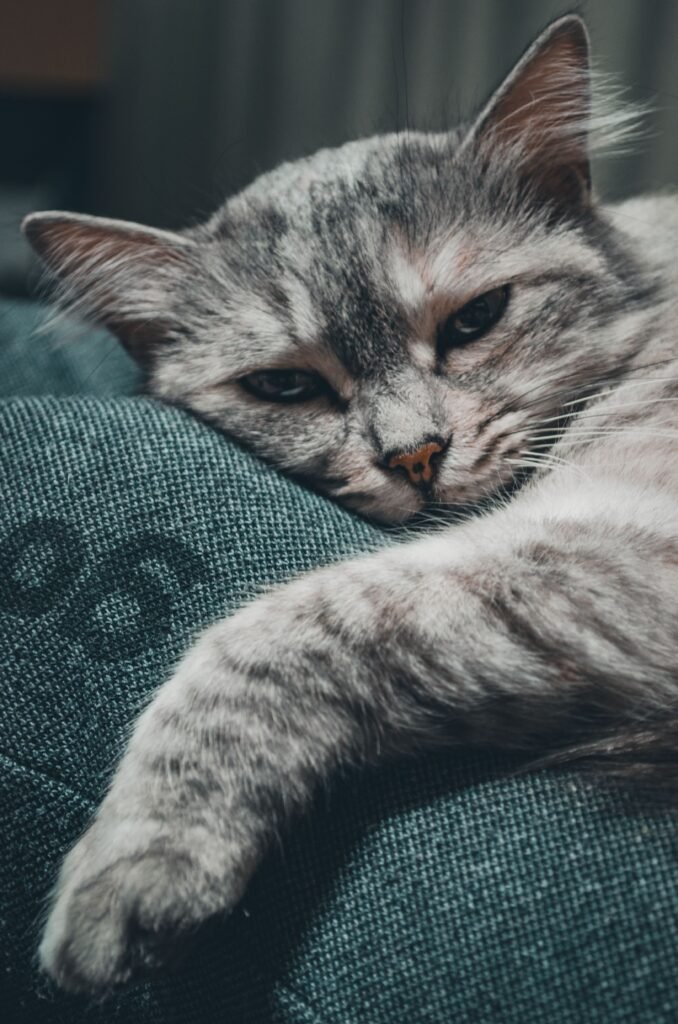
A sudden refusal to eat dry food can also point to an illness unrelated to the food itself. Kidney disease is one of the more common culprits in older cats.
Veterinary laboratory data have found elevated markers of kidney trouble in over 40 percent of cats between five and fifteen years old, with that number climbing even higher past age fifteen.
Other conditions, like diabetes, an overactive thyroid, or a simple upset stomach, can all lower appetite without any obvious outward sign. Nausea alone can make crunchy food feel especially unappealing.
If your cat seems tired, drinks more water than usual, or has lost weight, these clues point to something beyond pickiness.
When Should You Worry?
A cat skipping one meal usually isn’t an emergency. Cats can be moody about food without anything serious going on underneath.
The real danger begins when a cat refuses food entirely for more than 24 hours; going that long without food can trigger liver problems, especially in overweight cats.
Watch closely for vomiting, lethargy, hiding, or a swollen belly alongside the food refusal. These combined signs point toward something that needs a vet visit right away.
When in doubt, trust your instincts. You know your cat’s normal habits better than anyone, and a sudden shift is always worth taking seriously.
What Can You Do?
Once you’ve ruled out anything urgent, several practical steps can bring your cat back to the bowl. Most solutions are simple and don’t require an overnight fix.
The key is patience. Rushing a picky eater or forcing sudden changes almost always backfires and makes the resistance worse.
Change Food Slowly
Switching foods too fast can upset a cat’s stomach and shake their trust in the new option. Mix a small amount of new food into the old for about a week.
Gradually increase the ratio of new to old food each day. By day seven, most cats accept the new food with little fuss.
Try Different Foods
If your cat consistently avoids dry food, experiment with different shapes, textures, and protein sources. Some cats prefer fish-based kibble, while others prefer chicken or smaller pieces.
Buy small trial bags before committing to a large one. This keeps waste low while you figure out what actually works for your cat.
Make the Food More Appealing
Warming kibble slightly can release more aroma, making it far more tempting for a cat that relies heavily on smell. A few seconds is usually all it takes.
Adding a small splash of warm water or a bit of tuna juice can also boost the scent without changing the food’s nutrition much.
Keep Mealtime Calm
Feed your cat in a quiet spot away from foot traffic, loud machines, and other pets. A calmer environment removes one major reason cats avoid eating.
Stick to a consistent meal schedule. Predictability lowers stress and helps a nervous cat feel safe enough actually to eat.
Check Your Cat’s Health
If none of these changes work within a few days, a vet visit becomes necessary. A vet can check for dental pain, kidney issues, or other conditions hiding beneath the surface.
Routine checkups catch problems early, often well before a cat shows any obvious sign of being unwell.
Why Does My Cat Only Eat Wet Food?
Many cats that reject dry food gravitate toward wet food instead, and there’s a clear reason. Wet food more closely mimics the moisture and texture of real prey.
Cats are obligate carnivores, meaning their bodies are built to pull most of their water from food rather than a bowl. Wet food naturally supports that biology better than dry kibble does.
Once a cat gets used to wet food’s stronger smell and softer bite, going back to kibble can feel like a downgrade. That preference can settle in within just a few meals.
This isn’t necessarily a problem on its own. Many cats live long, healthy lives eating only wet food, as long as the diet stays balanced and properly portioned.