
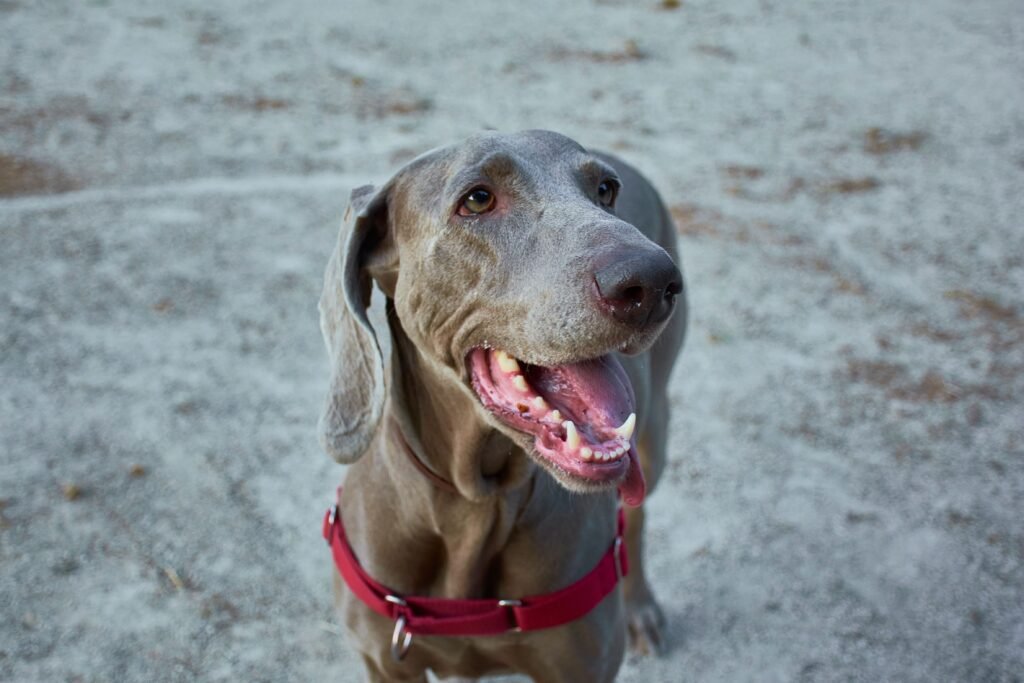
If your dog is getting older and you are worried about older dogs losing teeth, then you are at the right place, because here you don’t just get a one-word answer; you will get all the details about the loss of older dogs.
Research shows that 80 to 90% of dogs over the age of 3 have periodontal disease. Periodontal disease weakens the bones around the gums and teeth, which can cause the teeth to become loose and fall out.
However, experts say that teeth grinding is not normal in adult dogs. If an older dog is losing teeth, it is usually a sign of periodontal disease or injury.
In this article, I will explain which teeth are most commonly affected in older dogs, at what age puppies lose their teeth, and the difference between normal (aging) versus disease-related tooth loss.
Do Older Dogs Really Lose Their Teeth?
Dogs can lose teeth as they get older, but this is usually not due to dental disease or injury, but rather a natural part of aging.
According to global experts, healthy adult dog teeth do not fall out on their own. If an older dog’s teeth are falling out, it indicates serious tooth decay or infection, and a vet should be consulted immediately.
What Teeth Old Dogs Lose?
This diagram shows the different types of teeth in a dog’s mouth. A dog’s mouth has 6 small teeth (incisors) in the front, a large small tooth on each side, and behind them are the premolars (about 16 teeth) and molars (about 10 teeth).
When a dog has serious dental disease, veterinarians usually remove the small front teeth and premolars, while trying to keep the large canines and carnassials (large chewing teeth).
Therefore, in older dogs with disease, the small front teeth or the middle teeth (premolars) are often lost, while the large canines usually serve as guides.
How Old Are Dogs When They Lose Their Baby Teeth?
Puppies are toothless at birth. They have 28 deciduous teeth that erupt over about 3 to 4 weeks. Baby teeth usually start to fall out when puppies are 3 to 4 months old, as their larger permanent teeth begin to erupt at this age.
Most dogs have all 42 permanent teeth by 6 to 7 months of age. It is normal for dogs to have some itching or slight bleeding of the teeth during this period.
If retained deciduous teeth remain after the permanent teeth have erupted, the vet will remove them so that the permanent teeth can come in properly.
| Aspect | Age-Related (Normal) | Pathological (Disease-Related) |
| Causes | Mild gum weakening due to aging, light tartar buildup | Periodontal disease (affecting over 80% of dogs), tooth decay, injury |
| Signs | Mild tartar or minor tooth wear, little to no pain | Bad breath, red or swollen gums, loose or missing teeth, tooth discoloration, difficulty chewing |
| Treatment | Routine dental care (daily brushing, balanced diet) | Professional dental cleaning, tartar removal, extraction of affected teeth |
| Prognosis | Good (teeth can remain healthy with age) | Improvement with timely treatment; otherwise, bloodstream infections may lead to heart and kidney problems |
Is It Normal for Old Dogs to Lose Teeth?
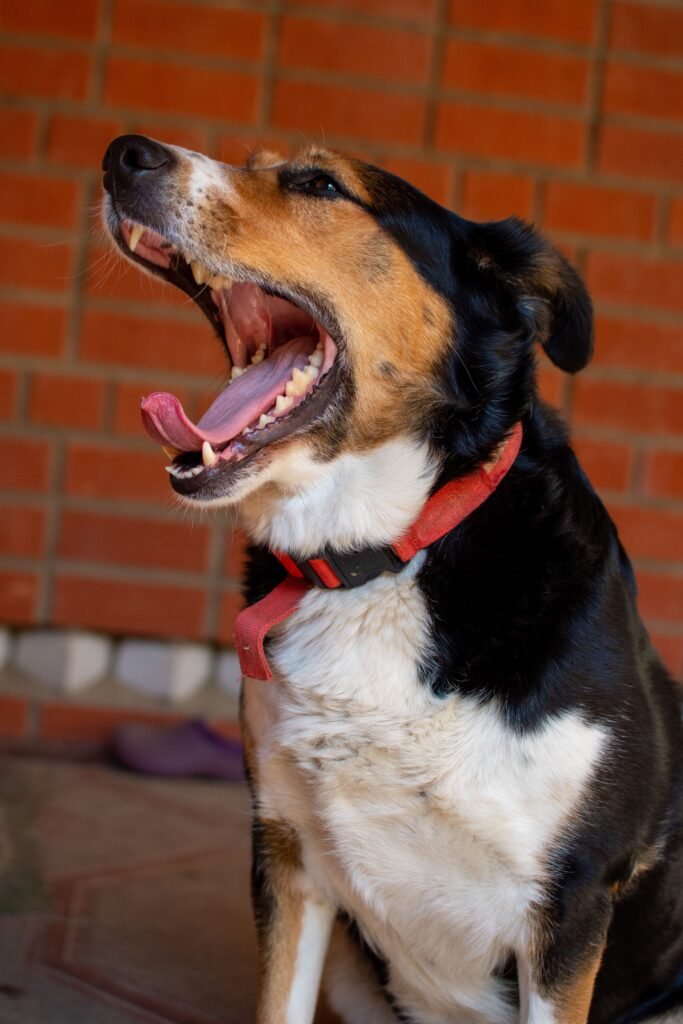
Even adult dogs are adults and should have healthy gums. Experts emphasize that teeth do not fall out automatically after puberty.
If an older dog’s teeth are falling out, it is a sign of serious dental disease or injury. Therefore, tooth loss is not a sign of old age, but a serious problem that requires immediate veterinary attention.
Practical Dental Care Tips for
Brush your dog’s teeth daily: Brush your dog’s teeth every day with a soft-bristled toothbrush and toothpaste designed for dogs. Daily brushing is the best way to prevent periodontal disease.
Doctor Checkups and Cleanings: Get regular dental checkups (annually or at least every 6 months) and professional cleanings. Cleanings under anesthesia remove tartar that accumulates beneath the gums.
Proper Dental Chews: Use dental chew treats that are Veterinary Oral Health Council (VOHC)- certified or designed for teeth. Avoid hard bones or chewables, as these can cause tooth decay.
Balanced Diet: Feed a balanced diet rich in protein, calcium, and vitamins. If your dog has few teeth, feed a soft diet, but don’t avoid soft foods altogether; even natural chewing can cause some dryness, which helps keep your dog’s teeth and gums strong.
Extra precaution: If you notice bleeding teeth, bad breath, or any apparent difficulty eating, contact your veterinarian immediately. Early detection of dental problems helps ensure successful treatment.
FAQ’s
Is it normal for older dogs to lose their teeth?
Absolutely not. It is not uncommon for adult dogs to lose their teeth as they age. If this happens, it is likely due to dental disease or injury, which should be treated promptly.
Which teeth are most likely to fall out in older dogs?
In cases of disease, the small front teeth (incisors) and medium premolars are often lost, while the large canines are usually retained. During treatment, doctors try to preserve the caries (large chewing teeth) and canines, while removing the remaining affected teeth.
At what age do dogs lose their baby teeth?
Puppies start losing their baby (puppy) teeth at around 3 to 4 months of age, and all permanent teeth will come in by 6 to 7 months of age. During this time, tooth loss is usually a natural process.
What should you do if baby teeth don’t fall out?
Sometimes, some puppies’ baby teeth don’t allow the permanent teeth below to come in. These are called “retained deciduous teeth.” If these teeth don’t fall out on time, doctors will surgically remove them so that the permanent teeth can make their way into their proper places.
What is the treatment for tooth loss?
When teeth fall out, a doctor will usually perform a professional dental cleaning and remove any teeth that are very damaged or decayed. Antibiotics or painkillers may also be given. Follow your doctor’s instructions for pain or swelling and feed a soft diet.