

Every can on the shelf says it’s the greatest. None of the terms “gourmet,” “natural,” or “vet recommended” indicate whether the food is right for the cat waiting at home. That response is on the label; however, it’s in the tiny print on the back rather than in the claims on the front.
Because a developing kitten, a lean adult, and an older adult with renal illness need different things from a can, no single wet cat food is ideal.
What is available are a few age– and health-related changes, along with a brief series of checks that distinguish a good diet from a bad one. You can pick up any can and make your own judgment, since this guide covers both.
What Makes a Wet Cat Food Good in the First Place
Four inspections do most of the work. Regardless of cost, a meal that satisfies all four requirements is a sensible option for a healthy cat.
A Complete and Balanced Statement for the Right Life Stage
The most crucial line on the can is this one. According to the U.S. Food and Drug Administration, a product must include all nutrients in one of the AAFCO nutritional profiles at acceptable levels.
AAFCO, the organization that sets pet food standards in the US, has two profiles for cats: one for development and reproduction and one for adult maintenance.
The statement has two versions. One claims the meal is “formulated to meet” the AAFCO nutritional profiles for a particular life stage. In contrast, the other claims animal feeding studies conducted under AAFCO protocols showed the food provides complete and balanced nutrition. Either is OK.
Whether it’s growth or all life phases for a kitten, or maintenance or all life stages for an adult cat, make sure the life stage matches your cat.
Many moist items aren’t even complete foods. The Cornell Feline Health Center suggests reviewing the label for a nutritional guarantee and cautions that certain gourmet canned diets may be nutritionally deficient.
Lickable snacks, broths, and toppers are often labeled “for intermittent or supplemental feeding only.” They are appropriate as extras but not as a primary diet.
Enough Protein, Judged the Right Way
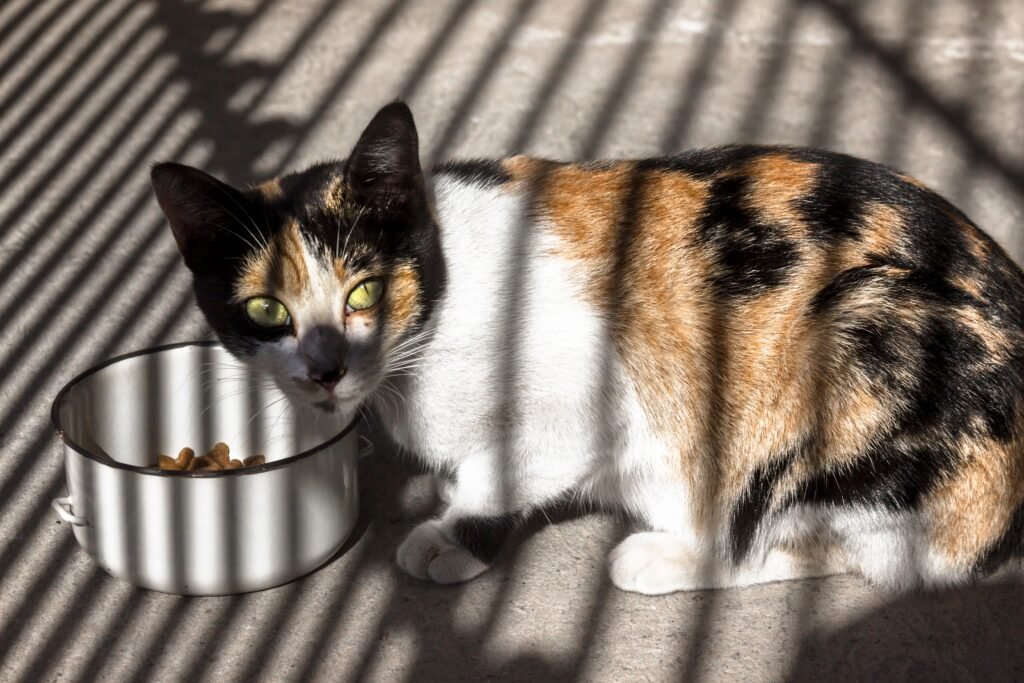
As obligate carnivores, cats evolved on prey low in carbohydrates, moderate in fat, and rich in protein. On a dry matter basis, AAFCO establishes a minimum crude protein requirement of 26 percent for adult maintenance and 30 percent for growth and reproduction. On a dry matter basis, the minimum fat content is 9%.
Because a can label may show only 10 or 12 percent protein, these numbers perplex consumers. The label figure includes water, and canned pet food typically contains 75-78% moisture.
To provide a fair comparison, divide the protein amount by the result after deducting the moisture percentage from 100. A can containing 12% protein and 78% moisture, which translates to 54.5% protein on a dry matter basis—more than double the minimum—is the FDA’s own example.
Ingredients That Make Sense for a Carnivore
The ingredients are listed by weight. Cornell advises looking for meals with adequate animal-source content to provide needed amino acids and fatty acids if meat, meat by-products, or seafood are among the first few ingredients.
Observe that Cornell’s authorized list includes by-products. The by-products listed on pet food labels include organ meats like liver and heart, and their use is strictly controlled, even though many shopping guidelines advise against them.
Wild cats initially consume those sections. A by-product farther down the list is not a warning, but a specified meat at the head of the list is.
A Manufacturer That Can Answer Questions
A set of questions for evaluating pet food companies is published by the World Small Animal Veterinary Association. These include whether it has a full-time certified nutritionist on staff, who formulates the meals and with what credentials, where the food is produced, and what quality control procedures it utilizes.
Additionally, a corporation needs to be able to tell you the amount of each vitamin and the number of calories in each can.
Interviewing every brand is not necessary. Send one query by email, such as the amount of carbohydrates or phosphorus in a meal you’re thinking about. A business passes the test if it responds with a definite number. A marketing copy sender does not.
How to Read a Wet Cat Food Label
What the Product Name Legally Tells You
Small phrase changes can make big differences in substance, and the front label is regulated. AAFCO has four guidelines for naming.
| Wording on the can | Example | How much of the named ingredient |
| Ingredient named alone | “Salmon Cat Food” | At least 95%, not counting water |
| Dinner, entrée, platter, formula | “Salmon Dinner” | At least 25%, not counting added water |
| “With” | “Cat Food With Salmon” | At least 3% |
| “Flavor” | “Salmon Flavor Cat Food” | No set amount, only enough to be detected |
Therefore, “Cat Food With Tuna” requires just 3% tuna, but “Tuna Cat Food” requires at least 95%. The term alone won’t protect you if your cat has to avoid a certain protein. Always read the full ingredient list.
What the Ingredient List Cannot Tell You
The ingredient list is arranged by weight, not quantity or quality. Fresh meat jumps to the top of the list more readily than a dry component because it is heavier and retains water.
The protein, fat, and mineral content of two meals with the identical first five ingredients might vary significantly. Check the list for substances your cat should avoid, and evaluate the food based on the nutrient numbers and adequacy statement.
The Calorie Figure
Check the number of calories in each can or pouch. The energy content of wet meals varies widely, which determines how much to give. Ask the manufacturer if it’s missing.
Textures and Formats: Pâté, Chunks, Shreds, and Mousse
Wet food is packaged in cans, pouches, or trays and includes flaky foods, soft mousse, chunks or shreds in gravy or jello, and smooth pâté. By default, no texture is healthier. The one your cat chooses to eat is the right one.
A few useful tips are helpful. Kittens and cats with painful or missing teeth benefit most from pâté and mousse.
Pâté may be a better option for cats who lick off the gravy and leave the bits, since they consume fewer calories than you might expect. Also, rather than guessing based only on texture, contact the manufacturer for the carbohydrate amount when it matters, as it does for a cat with diabetes.
The Best Wet Cat Food by Life Stage
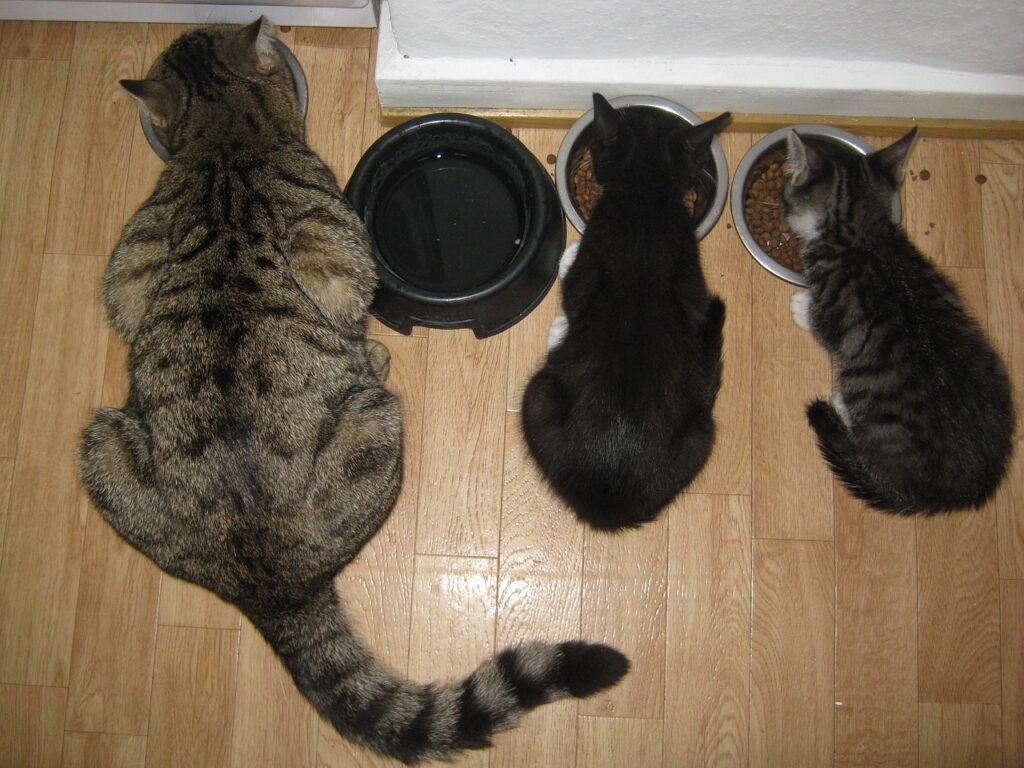
Kittens
Kitten food must be labeled for its development or life stage. According to the 2021 AAHA/AAFP Feline Life Stage Guidelines, a ten-week-old kitten requires around 200 calories per kilogram of body weight per day, which drops to 80 by ten months.
Growth foods have higher minimum protein and energy density because they are designed to meet those needs. Feed many meals a day and choose a soft texture that a little mouth can handle. Up to six months of age, Cornell advises three meals a day.
Also, because early dietary choices can be hard to change later, offer a variety of textures and flavors during kittenhood.
Adult Cats
Any full and balanced meal indicated for adult maintenance or all life phases will be sufficient for a healthy adult. At this point, quantity, not quality, is the primary danger. According to a professor of veterinary nutrition at Texas A&M, most adult cats need only 200 calories per day, which they should get from food from all sources.
Senior Cats
Because AAFCO profiles address only development, reproduction, and adult maintenance, they don’t formally define senior cat food. The adult criteria is met by a can marked “senior,” and the maker has the last say over anything else. Instead of relying on the label, compare the actual numbers.
What do senior cats need? According to AAHA/AAFP standards, older cats often become underweight and need more calories. Under the same guidelines, don’t reduce protein intake in healthy, older cats. In practice, that means a meal your senior likes has enough calories to maintain weight and is high in protein.
As people age, their appetite often declines. A 2022 study published in the Journal of Veterinary Behavior found that cats older than seven years preferred wet food heated to 37°C, or about body temperature. One easy way to attract an older cat is to warm it up gently.
The Best Wet Cat Food for Common Health Conditions
Choose each diet in this area with your veterinarian. No label can show you the test data that determine which food is best.
Kidney Disease
Diet is one of the most effective therapies for chronic renal disease. According to International Cat Care’s 2026 recommendations, compelling evidence suggests that a veterinarian-recommended renal diet may increase survival; even a diet with at least 50% renal food may help.
Kidney diets contain less protein, salt, and phosphorus than typical adult diets. The protein component requires attention. Phosphorus must be reduced to some extent, but if a cat doesn’t get enough protein, it breaks down its own muscle. For this reason, prescription renal diets, available in both dry and canned forms, outperform at-home low-protein diets.
Diabetes
According to the 2026 AAHA diabetic recommendations for cats, canned food is preferred over dry food because it has fewer calories and carbohydrates per unit of volume.
The recommendations suggest a diet high in protein—above 40 to 45 percent of calories—and low in carbohydrates—roughly 12 percent of calories—for most diabetic cats.
With 5 to 10 percent of calories from carbohydrates, many canned meals already fall into the low range; still, check the manufacturer’s label.
According to the recommendations, a limited-carbohydrate weight-loss diet may be considered for obese diabetic cats.
A lower-carb diet may change how much insulin a diabetic cat needs; don’t change it without first seeing your veterinarian.
Urinary Problems
Water is the reason wet food has a place here. Because the added water dilutes urine and reduces crystal buildup, canned food is the recommended format for urinary diets.
The rest depends on the type of stone. Struvite makes up around half of cat bladder stones, while calcium oxalate makes up the other half. Certain prescription diets may dissolve struvite stones; however, they cannot dissolve calcium oxalate stones. A dissolving diet works only if the cat eats that food exclusively. Before you choose a “urinary” diet off the shelf, your veterinarian must determine the issue, since the two stone types require different treatment.
Sensitive Stomach and Food Allergy
A diagnosis is necessary before introducing a new diet to a cat that often throws up or has loose feces, since many diseases can cause these symptoms.
Cornell recommends a unique diet with one protein and one carbohydrate the cat has never eaten, along with water, for at least eight to ten weeks if you expect a food response.
Animal proteins like chicken, steak, and dairy are often the culprits behind allergies, not grains. For a somewhat finicky stomach, a “limited ingredient” can from the grocery store is a good place to start, but it shouldn’t replace a complete diet trial.
Constipation
First, stay hydrated. Wet food helps because it contains much more water than kibble, and Cornell identifies dietary changes and proper hydration as the two key therapies. The second tool is fiber. According to Cornell, you can add fiber through a specially designed high-fiber diet or by adding canned pumpkin and psyllium to the current diet.
Consult your veterinarian for guidance on the kind and quantity of fiber that can assist or exacerbate constipation in cats. If a cat strains without success or hasn’t passed feces in a few days, have a vet examine it instead of changing its food.
Weight Loss
Because water adds volume without adding calories, wet food is an appropriate diet choice. Cats fed canned food burn fewer calories and lose weight more easily than those fed freeze-dried food, according to research from the University of California, Davis. According to Cornell, canned food promotes fixed meals rather than all-day snacking.
Use a prescription weight-loss diet if your cat actually needs to lose weight. Eating less of a usual diet can lead to vitamin and mineral deficits, according to AAHA/AAFP recommendations.
Underweight Cats
Unplanned weight loss often has a medical reason, so see your veterinarian first. The goal is to provide more calories in a small volume once you’ve ruled out or treated illness. Since they need higher energy density than adult diets, foods labeled for growth or all life stages can help. A weak appetite also benefits from aromatic, slightly warmed food.
Asthma
Cat asthma cannot be treated with wet food. According to Cornell, asthma is an allergic response to inhaled allergens treated with corticosteroids and sometimes bronchodilators; other methods have not been shown to work. Maintain a healthy weight for an asthmatic cat by feeding it a comprehensive, balanced diet and following your veterinarian’s treatment plan.
Lifestyle and Preference
Indoor Cats
“Indoor” formulations are not regulated; rather, they constitute a marketing category. For a calmer life, an indoor cat needs the right amount of calories. If you measure the amount and pay attention to body form, any full adult meal will work.
Picky Eaters
Let’s start with the temperature. Cats base most of their meal choices on smell, and food straight from the refrigerator has very little aroma. If a cat rejects chunks, it may eat pâté, so try a different texture before switching brands.
Variety may help avoid the issue. To add variety and prevent a cat from developing a strong preference for one meal, Cornell recommends offering two or three different cat foods. If a product is withdrawn or a medical diet is required, a cat that eats only that one product is at risk. When someone who usually eats well suddenly becomes finicky, treat it as a health issue.
Does Breed Matter? Maine Coons and Ragdolls

Much less than breed-specific marketing suggests. No proof shows that a certain breed needs a unique wet diet, and life stage, physical condition, and health matter more than breed.
There are two things you should know about Maine Coons. Ask your veterinarian when to switch your pet from growth food to adult food, since they develop slowly and don’t reach full size until 3 to 5 years old.
Additionally, hip dysplasia was discovered in 24.9% of Maine Coons assessed in a study by the Orthopedic Foundation for Animals registry. Maintaining the cat’s weight is the most beneficial dietary intervention for painful joints.
This also holds for huge, laid-back breeds like Ragdolls. For the cat’s life stage, choose a complete, balanced diet, adjusted to the cat’s needs.
Is Grain-Free Wet Cat Food Better?
Not for the majority of cats. Grain-free is a marketing notion rather than a health answer, according to Tufts University veterinary nutritionists. They note that pet food allergies are rare, and grain allergies are even less common.
Additionally, grain-free does not mean low in carbohydrates. According to a Tufts study of cat feeds, grain-free diets substituted peas, potatoes, sweet potatoes, and tapioca for grains, and some had at least as many carbohydrates as grain-containing diets. If your cat thrives on grain-free food, go ahead and buy it, but don’t anticipate any health benefits.
Price and Brand: What You Are Paying For
Price is not a reliable indicator of quality. A healthy cat’s nutritional needs may be met by a cheap can with a comprehensive, balanced statement for the appropriate life stage. Packaging, exotic proteins, and marketing often drive higher prices more than nutrition.
There are two worthwhile purchases. The first is a business that meets WSAVA requirements, including having trained nutritionists on staff, its own quality standards, and direct responses to nutrient concerns. If your cat has a condition that requires one, the second option is a prescription diet, since these foods are designed and tested specifically for that purpose.
Since no impartial organization rates them, it is impossible to identify the “best brand.” Several brands at various price points will pass if you apply the four criteria at the beginning of this article.
How Much to Feed, and How to Store It
Utilize calories. If a can contains 90 calories and your cat needs 200 calories per day, that’s a little more than two cans, split into at least two meals. Subtract those calories first if you also give dry food or snacks.
Once opened, wet food goes bad quickly. The manufacturer recommends keeping it out for one to four hours. According to Cornell, refrigerate any unused portion of an opened can, and use leftovers within three days. Since cold food is less appetizing, remove the frost from chilled food before serving.
How to Switch to a New Wet Food
Over seven to ten days, mix a small amount of the new food into the old. The AAHA/AAFP guidelines recommend an alternative approach for cautious cats: place the new food in a different bowl next to the regular one so the cat can select it at will. If a cat’s stool becomes loose, switch more slowly and don’t let them go without eating to help them adjust.
Frequently Asked Questions
Is wet food better than dry food for cats?
According to a Tufts veterinary nutritionist, there is no intrinsic reason to feed one over the other for a healthy cat, other than personal preference. When a cat has urinary issues or needs more water, wet food has a distinct advantage.
Can a cat eat only wet food?
Yes, as long as it provides a complete, balanced diet for your cat’s life stage.
Is pâté or chunks in gravy healthier?
Not at all. Let your cat select the texture after comparing the nutrient figures, calories, and adequacy statement.
What should I avoid in wet cat food?
Avoid foods for the wrong life stage, products labeled for intermittent or supplemental feeding as a primary diet, and any ingredient your cat has reacted to. Words like “premium,” “gourmet,” and “natural” on the front tell you nothing about nutritional adequacy.