

Early pregnancy is one of the best-kept secrets, and cats are masters at it. A pregnant cat may look and act almost the same as she did for the first several weeks after mating, which is why so many owners miss the beginning. The problem is that quality care is crucial during those initial weeks.
The sooner you recognize the symptoms, the sooner you can provide a pregnant cat with the proper diet, a peaceful environment, and close supervision. Weaker kittens and a disturbed mother can result from missing them. Fortunately, once you know where to look, all the clues are there. Over the course of several weeks, a pregnant cat gradually reveals herself through modest nipple changes, a rounding belly, and shifting behavior.
This article explains how to tell whether your cat is pregnant at every step, how to distinguish pregnancy from simple weight gain, how a veterinarian can confirm it, and how to care for her from mating to childbirth.
Can Your Cat Even Get Pregnant Yet?
Knowing whether pregnancy is possible is helpful before interpreting the signals. Cats often reach sexual maturity between the ages of four and six months, which is quite early.
A female can become pregnant during her first heat cycle, sometimes even before she appears fully mature. Most pregnancies occur in spring and summer because cats are seasonal breeders whose cycles intensify with longer sunshine.
One additional peculiarity is worth noting. Because a cat may mate with multiple men during a single heat, a single litter may have multiple fathers. So pregnancy is possible if your unspayed cat was outside during the heat.
Early Signs Your Cat Is Pregnant

You may not see much in the first week or two after mating. The alterations start small and gradually intensify over the next few weeks. These are the first indicators that typically show up, roughly in the sequence that you might see them.
Nipples “Pinking Up”
A shift in the nipples, which often occurs two to three weeks in, is the most trustworthy early indicator. Breeders call this change “pinking up” because it causes them to expand, become more noticeable, and turn a notably brighter pink.
As her body prepares to breastfeed, the fur around her belly may also thin a little. This is often the first clear sign that something is wrong with a cat who has never produced a litter.
A Bigger Appetite and More Sleep
Many pregnant cats start eating a bit more and sleeping considerably longer around this time. That extra rest and food are part of her body’s silent labor of love.
Usually mild at first, this appetite bump intensifies as the pregnancy progresses. It is simple to ignore on its own, but when combined with nipple alterations, it begins to make more sense.
Behavior Shifts
Though not necessarily in the same direction, behavior also frequently shifts. Some cats become calmer and start looking for secret places, while others become overly loving and clingy.
Her heat cycles can just stop, which is a significant symptom. A successful mating is probably the cause if an unspayed cat was consistently experiencing heat and then abruptly stopped.
Occasional Morning Sickness
Like humans, some pregnant cats have a brief period of moderate morning sickness. During the early to middle weeks, you may have sporadic vomiting or a decrease in appetite. Usually, this is short and not a cause for concern. Consult a veterinarian if the vomiting becomes regular, violent, or accompanied by other symptoms of illness.
Pregnant or Just Overweight? How to Tell the Difference
Whether your cat is pregnant or just gaining weight is one of the most common questions owners ask. The two may look similar at first glance, but a few checks can tell them apart.
The most obvious difference is where the weight is located. A pregnant cat’s neck, legs, and chest remain normal, but her belly develops a rounder form. In contrast, an overweight cat often gains weight throughout, including in areas unaffected by pregnancy.
Additionally, the feel is distinct. While a fat belly remains soft and loose, a pregnant tummy becomes solid and rounded. Naturally, simple weight gain does not cause the nipple changes associated with pregnancy, making them one of the most helpful indicators to look out for. If you’re still unsure, consult a veterinarian, who can quickly confirm the pregnancy.
Cat Pregnancy Week by Week
Gestation, the term for a cat’s pregnancy, lasts around nine weeks, or 63 to 65 days. While some deliver a few days earlier or later, the majority fall between 60 and 67 days. Typically, that time is divided into three phases, each lasting roughly three weeks. Here is what happens in each.
Weeks 1 to 3: Early and Hard to Spot
The tranquil period lasts for the first three weeks. Almost nothing is visible from the exterior when fertilized eggs implant and the tiny embryos start to develop. The earliest symptoms, most notably the pinkening of the nipples, come at the conclusion of this period. She may also start sleeping better and eating more.
Weeks 3 to 6: The Pregnancy Becomes Clear
Things start to become clear around the middle. Her weight increases more gradually, her belly begins to round out, and many cats become calmer and more loving. Additionally, as we will discuss soon, now is the best time for a veterinarian to confirm the pregnancy. There is typically not much question remaining by the end of this phase.
Weeks 6 to 9: Getting Ready to Give Birth
The kittens grow rapidly in the last stretch, and her belly enlarges and becomes distinctly rounded. You could even be able to feel or see them moving around within. As she searches for a calm, secure location to give birth, her nesting behavior increases. Birth is now just a few days to a few weeks away.
How a Vet Confirms a Cat Pregnancy
A veterinarian is the only person who can definitively confirm a pregnancy;; however,, home symptoms can be useful. They accomplish this in three primary methods, each appropriate for a distinct stage.
The easiest method is palpation, in which the veterinarian softly touches the developing kitten’s belly; this is typically feasible starting on day 20. More dependable, an ultrasound can detect small heartbeats as early as three weeks into a pregnancy and verify that the kittens are growing healthily.
However, an X-ray is most effective for counting kittens only later in pregnancy. A radiograph provides the most accurate head count for birth planning at around six weeks, when the fetal skeletons become visible. PetMD’s cat pregnancy guide is a useful, veterinarian-reviewed resource for a more comprehensive explanation of what to expect.
How Many Kittens to Expect
Most people want to know the size of the litter. Although litters can include one kitten or eight or more, a typical cat has four to six kittens. The number depends on several factors, such as the cat’s age, breed, and general health.
A cat in her prime may produce larger litters, but first-time moms typically have smaller ones. A late-pregnancy X-ray is the best option if you want a precise count before the big day. You can determine whether a kitten may still be on the way during birth by knowing about how many to anticipate.
Does Breed Change the Signs?
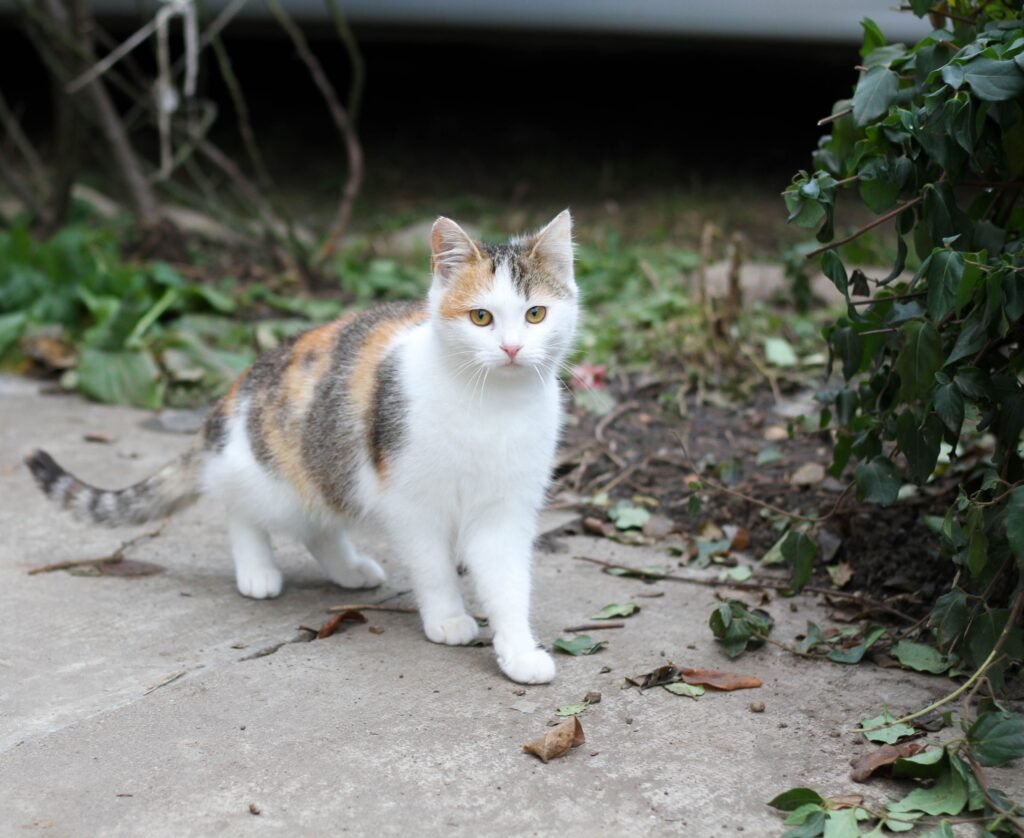
Every cat exhibits the same basic symptoms of pregnancy. However, a cat’s physique and coat may make those indicators more or less obvious. Here are the differences between the two breeds that people often mention.
Persian and Other Fluffy Cats
Persians and other thick, long-haired cats can conceal changes in their bellies well into pregnancy. It’s difficult to assess by sight alone because of all that fur.
You can learn more about these cats by rubbing their bellies softly than by gazing at them. However, even under a thick layer, the nipple alterations continue to manifest, making them a trustworthy indicator.
Siamese and Other Lean Cats
Siamese and other lean, short-haired breeds typically appear earlier. A rounded belly is easy to notice sooner because of their beautiful coats.
Pregnancy can exacerbate Siamese cats’ well-known vocalization and clinginess. Some Siamese pregnancies also last slightly longer than usual nearly 70 days.
Signs That Labor Is Getting Close
A pregnant cat’s anatomy and behavior provide unmistakable signs as the delivery date approaches. Usually, these symptoms appear in the final day or two.
Keep an eye out for these signs that labor is imminent:
- walking restlessly and looking for a quiet place.
- intense nesting in a secret, peaceful location.
- a decrease in appetite and frequent refusal to eat.
- a decrease in body temperature, typically below 100°F.
- vocalizing, licking the back, or becoming needy.
One of the most reliable indicators that a baby will be born within a day is a discernible dip in body temperature. Watch her quietly and calmly after she has found her nesting location and stopped feeding.
How to Care for a Pregnant Cat
Pregnancy care gives the mother and kittens the best possible start. Rather than anything complex, the majority of it is straightforward, consistent attention.
The most important factor is nutrition. Most veterinarians advise transitioning a pregnant cat to kitten food, which is higher in protein and calories, starting around the fourth week and continuing during breastfeeding.
The Cornell Feline Health Center emphasizes that maintaining the health of the mother and her offspring during pregnancy requires careful monitoring and appropriate feeding.
Prepare a peaceful nesting space in advance by placing a box filled with cozy bedding in a warm, draft-free, out-of-the-way location. Keeping her indoors shields her from outdoor threats and another mating, and a peaceful, stress-free home supports her adjustment.
Lastly, consult your veterinarian as soon as possible. They can direct feeding, verify pregnancy, and provide advice on safe drugs, dewormers, and vaccines some of which are inappropriate during pregnancy.
Can acan Cat Get Pregnant Again Right After Giving Birth?
Many owners are caught off guard, but the answer is . After giving birth, a cat can return to heat very quickly. She may actually return to heat as early as two or three weeks after giving birth, frequently while she is still breastfeeding.
This means a new mother may become pregnant again before weaning her first litter. Keep her away from intact males during this period if you do not intend to have another litter. Spaying is the most reliable long-term option, and your veterinarian can plan it properly after she has stopped nursing.
What About a False Pregnancy?

Pregnancy scares don’t always come true. A fake pregnancy occurs when a cat’s body acts as though it is pregnant, but no kittens are on the way. In this case, a cat may show real symptoms, such as a slightlyly bloated abdomen, nesting activity, or even a small amount of milk, typicallafterng a heat in which she failed to conceive. Hormone changes after ovulation cause this.
The majority of false pregnancies go away on their own in a few weeks. A brief visit to the veterinarian can clarify the cause if the symptoms are severe, persistent, or concern you.
Frequently Asked Questions
How early can you tell if a cat is pregnant?
Nipple pink-up, the first obvious symptom, often manifests two to three weeks following mating. A veterinarian can verify it by ultrasound even earlier, or by palpation starting around day 20.
How long are cats pregnant?
A cat’s pregnancy lasts about nine weeks, or 63 to 65 days. The majority deliver between sixty and sixty-seven days.
Can a cat hide her pregnancy?
Yes, particularly during the initial weeks when there isn’t much to see. Without careful observation, early pregnancy can be easily overlooked since cats typically conceal changes.
How many kittens do cats have?
hough litters can range from one to eight or more kittens, they typically have four to six. Smaller litters are common among first-time mothers.
Can a cat get pregnant while nursing?
Indeed. Even before her current litter is weaned, a cat may become pregnant again within a few weeks of giving birth.
Should I change my cat’s food during pregnancy?
Indeed. Since kitten food is higher in the protein and calories a pregnant or nursing cat needs, most veterinarians advise transitioning to it around week four.
What are the first signs that labor is near?
A temperature decrease below roughly 100°F, restlessness, extreme nesting, and food refusal typically indicate that the baby will be born within a day.
Spotting the Signs and Caring for Her Well
The key to telling whether your cat is pregnant is to watch for a series of small changes. A bigger appetite, altered behavior, and that distinctive round tummy arrive after pink nipples.
Paying close attention during those initial weeks is crucial because the early symptoms are so subtle. You can adjust her diet, create a safe environment, and get a veterinarian’s confirmation sooner if you suspect a pregnancy.
After that, the work largely involves gentle care and patience. You can give the mother and her kittens the healthy start they need by feeding her well, keeping her calm and indoors, and following your veterinarian’s advice.
Pingback: How Many Kittens Can a Cat Have? - Eachpetscare