
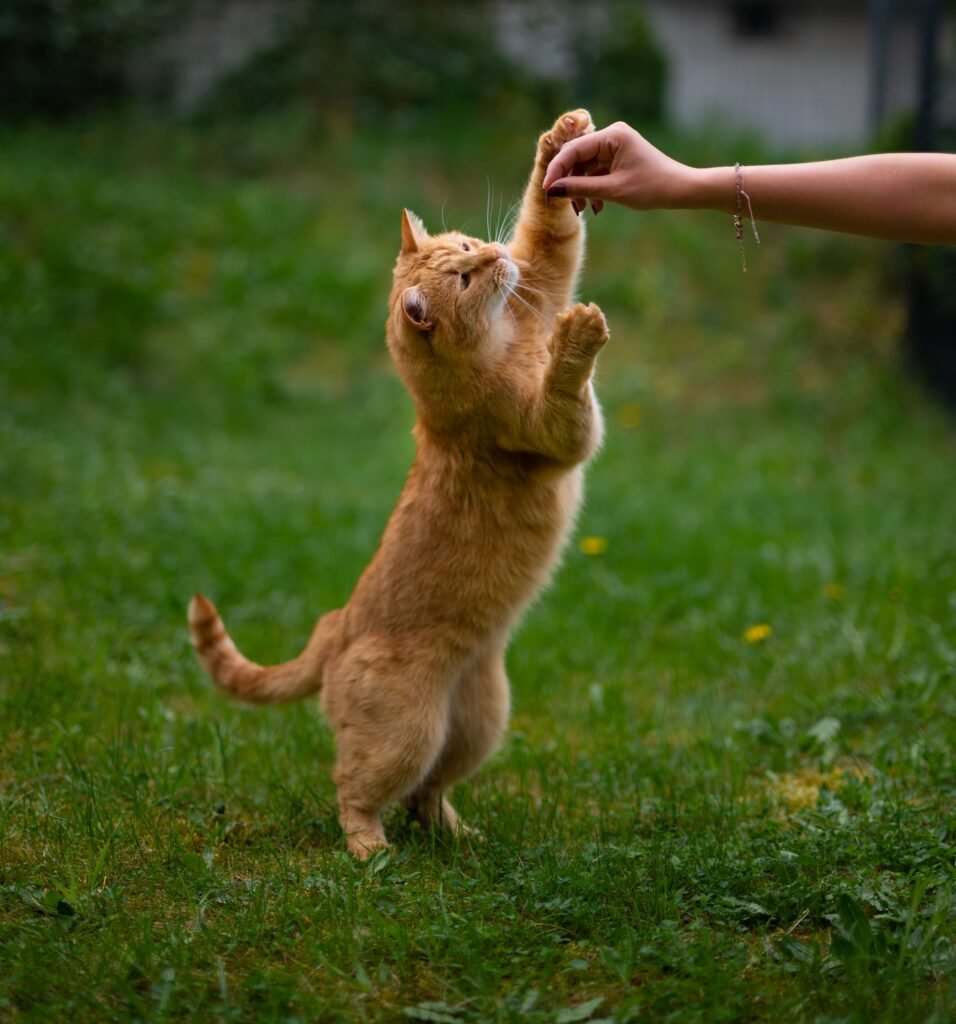
Most cat owners notice it at some point. Their cat climbs on them, starts pressing their paws in and out, and purrs like a little engine. It feels sweet, but it also makes you wonder what is actually going on.
The truth is, this behavior starts in kittenhood. Kittens knead their mother’s belly to get milk flowing, and the warmth and comfort they feel at that moment stay with them for life. So when your cat does this to you, it is pulling from something very deep.
If you ignore what this behavior is telling you, you might completely misread your cat. A cat may knead to calm itself when feeling anxious or stressed, so not recognizing that signal could mean a worried cat goes unnoticed for too long.
According to Catster, cats knead and purr to show affection and soothe themselves. When your cat does this to you specifically, it is not random at all.
Understanding why your cat does this helps you respond appropriately and build a stronger bond. Keep reading, and the whole picture will become very clear.
- Why Cats Make Biscuits: The Basics
- Why Your Cat Makes Biscuits Specifically for You
- Why Your Cat Makes Biscuits on You and Purrs at the Same Time
- Why Your Cat Only Makes Biscuits for You and Not Others
- Why Your Male Cat Makes Biscuits on You
- Why Your Cat Makes Biscuits on You at Night
- When Kneading Becomes Uncomfortable or Excessive
- What Your Cat Is Trying to Tell You
- Frequently Asked Questions
- Why Cats Make Biscuits: The Basics
- Why Your Cat Makes Biscuits Specifically for You
- Why Your Cat Makes Biscuits on You and Purrs at the Same Time
- Why Your Cat Only Makes Biscuits for You and Not Others
- Why Your Male Cat Makes Biscuits on You
- Why Your Cat Makes Biscuits on You at Night
- When Kneading Becomes Uncomfortable or Excessive
- What Your Cat Is Trying to Tell You
- FAQ,S
Why Cats Make Biscuits: The Basics
What Does “Making Biscuits” Mean in Cats
People call it “making biscuits” because it looks exactly like a baker kneading dough. Cats rhythmically push their paws in and out against a soft surface, and some retract their claws while doing it, while others do not.
It is one of those behaviors that looks funny but carries real meaning. Once you understand it, it changes how you see your cat completely.
The Instinct Behind Kneading Behavior
This behavior starts the moment a kitten is born. Kittens knead their mother’s mammary glands to stimulate milk flow, and they may grow to associate kneading with the deep comfort of nursing.
The action of kneading in cats causes the release of the feel-good chemical dopamine in the brain, which is why cats keep coming back to it again and again.
Why Your Cat Makes Biscuits Specifically for You
You Are Their Safe Person
Your cat does not knead just anyone. Grown cats tend to knead when they are around a special person who makes them feel safe and loved, and they will often knead their human’s chest, side, or lap.
Think of it this way: your cat is treating you the same way it once treated its mother. That is not a small thing.
Scent Marking and Ownership
There is also a territorial side to this. Cats have scent glands inside their paws, and when a cat kneads against something, it marks its scent onto that object as a way of claiming territory.
So your cat is not just showing love, it is also quietly saying, “This person is mine.” It is a compliment, really.
Seeking Comfort and Warmth From You
Your body is warm, soft, and familiar to your cat. Cats like to knead when they are getting attention or getting cozy for a nap with their owner.
You are basically your cat’s favorite comfort object. Not every pet gets that kind of trust from their cat.
Why Your Cat Makes Biscuits on You and Purrs at the Same Time
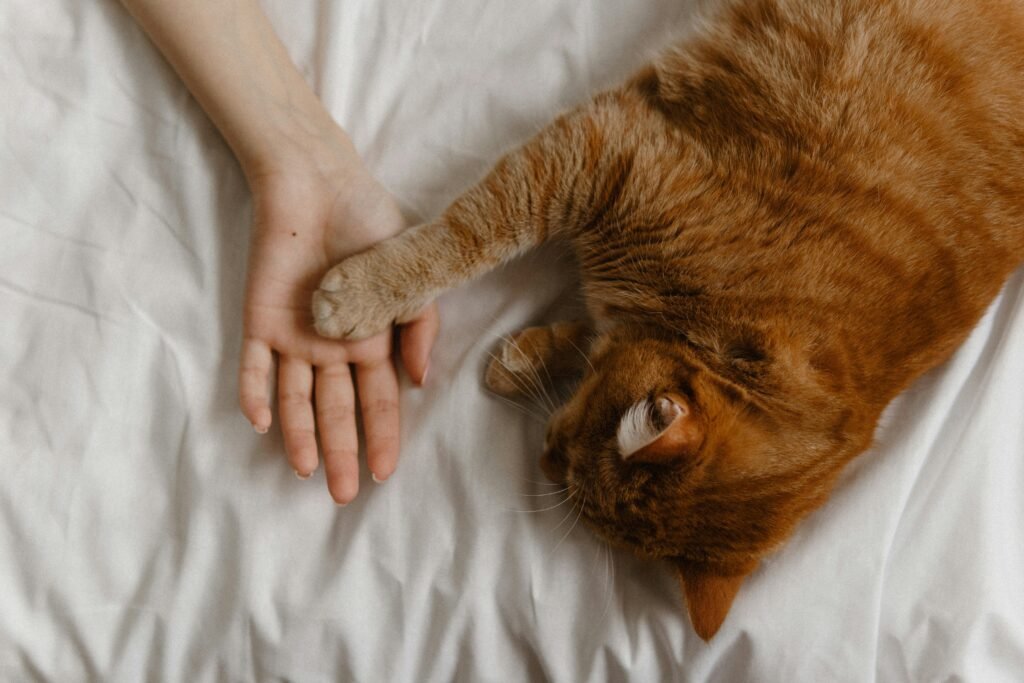
What does the Combination of Kneading and purring signal
When both happen together, it is one of the strongest signs of contentment a cat can show. When a cat kneads, it often purrs simultaneously, indicating a state of deep contentment.
Purring is a signal created by rapid vibrations of certain throat muscles, and when paired with kneading, it tells you your cat feels completely at ease with you.
Is It Always a Sign of Happiness
Mostly yes, but not always. Excessive kneading can be a sign that your cat is uncomfortable or anxious, using kneading as an attempt to soothe itself.
If your cat kneads and purrs in calm moments, it is happiness. If the kneading seems frantic or restless, it may be worth paying closer attention to what is bothering them.
Why Your Cat Only Makes Biscuits for You and Not Others
The Bond Factor
This one is personal. Your cat has decided you are the one. When cats feel safe and secure with their human, like they did with their mother, they may start kneading on you to show affection.
Not everyone in the house gets this treatment. The fact that it is only you says a lot about how your cat feels.
How Cats Choose Their Kneading Person
Cats pay close attention to who feeds them, who stays calm around them, and who gives them space when they need it. The person who does all three naturally becomes the one the cat gravitates toward.
Kneading on a human is a significant sign of trust, and cats are known to be selective with their affection. So if your cat picks you, you have earned it.
Why Your Male Cat Makes Biscuits on You
Is Kneading Different in Male Cats
Not really, no. Both male and female cats knead, and it is not gender-specific behavior. The reasons behind it are the same: comfort, trust, and affection.
Male cats can be just as emotionally attached to their owners as female cats. The kneading is the same expression of the same feeling.
Neutered vs. Intact Males and Kneading Behavior
Neutered males tend to be calmer and more affectionate overall. An intact male may sometimes knead for reasons tied to hormones or restlessness rather than pure affection.
If your male cat seems to knead more than usual or shows signs of agitation along with it, it may be worth speaking to a vet. You can also learn more about related cat behavior on our cats’ care page.
Why Your Cat Makes Biscuits on You at Night
Nighttime Comfort-Seeking in Cats
Cats are naturally more active and also more emotionally expressive at night. When the house is quiet, they seek out the warmth and security they feel most comfortable with.
You happen to be lying still, warm, and available. That makes you the perfect target for a late-night kneading session.
Should You Let Your Cat Knead You Before Sleep
If it does not hurt you, there is no reason to stop it. It helps your cat wind down and feel settled before sleeping.
If the claws are the issue, try placing a soft blanket between you and your cat. That small change keeps both of you comfortable without breaking the routine your cat loves.
When Kneading Becomes Uncomfortable or Excessive
How to Redirect Kneading Without Hurting Your Bond
Never push your cat away sharply or punish it for kneading. Kneading is a natural behavior, and your cat means well, even if the claws hurt.
Instead, gently shift your cat to a nearby cushion or blanket. Over time, it will accept that as its kneading spot.
Using a Blanket as a Buffer
This is the simplest and most effective fix. If your cat is kneading on you and causing pain, try putting a blanket or pillow between you so it does not hurt you.
Your cat still gets the comfort of kneading on you, and you avoid the scratches. It is a small change that makes a big difference. If you notice your cat is also twitching while awake during or after these sessions, that is worth looking into separately.
What Your Cat Is Trying to Tell You
Reading Kneading as a Love Language
Cats do not say “I love you” out loud. They show it through actions, and kneading is one of the most honest ones. When your cat does this to you specifically, it is being completely open about how safe you make it feel.
Kneading and purring may be the way your cat shows you affection, and when cats feel safe and secure with their human, they may start kneading on you just to show you they love you, too.
Other Affectionate Behaviors That Go With Biscuit-Making
Cats that knead often also slow-blink, head-butt, and curl up as close to you as possible. These are all pieces of the same message.
If your cat does all of these together, you have a deeply bonded cat on your hands. Pay attention to the small things, because that is where cats communicate most. You might also notice your cat putting her paws in the water bowl as another curious but affectionate habit worth understanding.
Frequently Asked Questions
Why does my cat make biscuits for me but not for others?
Your cat has chosen you as its safe and trusted person. Cats are very selective about who they show this level of comfort with, and you have earned that trust.
Is it normal for my cat to purr and knead at the same time?
Yes, completely normal. It just means your cat is in a very happy and relaxed state. Think of it as the highest compliment your cat can give you.
Why does my cat make biscuits on me at night, specifically?
At night, the house is quiet, and you are still. Your cat feels secure and takes that moment to seek closeness. It is their version of winding down with someone they love.
Should I stop my cat from kneading me?
You do not need to stop it completely. If the claws hurt, place a blanket between you. Never punish the behavior since it comes from a good place.
Can kneading mean my cat is stressed?
Excessive kneading can be a sign that your cat is uncomfortable or anxious, using the motion to soothe itself. If it seems compulsive or paired with other anxious signs, a vet visit is a good idea.
Most cat owners notice it at some point. Their cat climbs on them, starts pressing their paws in and out, and purrs like a little engine. It feels sweet, but it also makes you wonder what is actually going on.
The truth is, this behavior starts in kittenhood. Kittens knead their mother’s belly to get milk flowing, and the warmth and comfort they feel at that moment stay with them for life. So when your cat does this to you, it is pulling from something very deep.
If you ignore what this behavior is telling you, you might completely misread your cat. A cat may knead to calm itself when feeling anxious or stressed, so not recognizing that signal could mean a worried cat goes unnoticed for too long.
According to Catster, cats knead and purr to show affection and soothe themselves. When your cat does this to you specifically, it is not random at all.
Understanding why your cat does this helps you respond appropriately and build a stronger bond. Keep reading, and the whole picture will become very clear.
Why Cats Make Biscuits: The Basics
What Does “Making Biscuits” Mean in Cats
People call it “making biscuits” because it looks exactly like a baker kneading dough. Cats rhythmically push their paws in and out against a soft surface, and some retract their claws while doing it, while others do not.
It is one of those behaviors that looks funny but carries real meaning. Once you understand it, it changes how you see your cat completely.
The Instinct Behind Kneading Behavior
This behavior starts the moment a kitten is born. Kittens knead their mother’s mammary glands to stimulate milk flow, and they may grow to associate kneading with the deep comfort of nursing.
The action of kneading in cats causes the release of the feel-good chemical dopamine in the brain, which is why cats keep coming back to it again and again.
Why Your Cat Makes Biscuits Specifically for You
You Are Their Safe Person
Your cat does not knead just anyone. Grown cats tend to knead when they are around a special person who makes them feel safe and loved, and they will often knead their human’s chest, side, or lap.
Think of it this way: your cat is treating you the same way it once treated its mother. That is not a small thing.
Scent Marking and Ownership
There is also a territorial side to this. Cats have scent glands inside their paws, and when a cat kneads against something, it marks its scent onto that object as a way of claiming territory.
So your cat is not just showing love, it is also quietly saying, “This person is mine.” It is a compliment, really.
Seeking Comfort and Warmth From You
Your body is warm, soft, and familiar to your cat. Cats like to knead when they are getting attention or getting cozy for a nap with their owner.
You are basically your cat’s favorite comfort object. Not every pet gets that kind of trust from their cat.
Why Your Cat Makes Biscuits on You and Purrs at the Same Time
What does the Combination of Kneading and purring signal
When both happen together, it is one of the strongest signs of contentment a cat can show. When a cat kneads, it often purrs simultaneously, indicating a state of deep contentment.
Purring is a signal created by rapid vibrations of certain throat muscles, and when paired with kneading, it tells you your cat feels completely at ease with you.
Is It Always a Sign of Happiness
Mostly yes, but not always. Excessive kneading can be a sign that your cat is uncomfortable or anxious, using kneading as an attempt to soothe itself.
If your cat kneads and purrs in calm moments, it is happiness. If the kneading seems frantic or restless, it may be worth paying closer attention to what is bothering them.
Why Your Cat Only Makes Biscuits for You and Not Others
The Bond Factor
This one is personal. Your cat has decided you are the one. When cats feel safe and secure with their human, like they did with their mother, they may start kneading on you to show affection.
Not everyone in the house gets this treatment. The fact that it is only you says a lot about how your cat feels.
How Cats Choose Their Kneading Person
Cats pay close attention to who feeds them, who stays calm around them, and who gives them space when they need it. The person who does all three naturally becomes the one the cat gravitates toward.
Kneading on a human is a significant sign of trust, and cats are known to be selective with their affection. So if your cat picks you, you have earned it.
Why Your Male Cat Makes Biscuits on You
Is Kneading Different in Male Cats
Not really, no. Both male and female cats knead, and it is not gender-specific behavior. The reasons behind it are the same: comfort, trust, and affection.
Male cats can be just as emotionally attached to their owners as female cats. The kneading is the same expression of the same feeling.
Neutered vs. Intact Males and Kneading Behavior
Neutered males tend to be calmer and more affectionate overall. An intact male may sometimes knead for reasons tied to hormones or restlessness rather than pure affection.
If your male cat seems to knead more than usual or shows signs of agitation along with it, it may be worth speaking to a vet. You can also learn more about related cat behavior on our cats’ care page.
Why Your Cat Makes Biscuits on You at Night
Nighttime Comfort-Seeking in Cats
Cats are naturally more active and also more emotionally expressive at night. When the house is quiet, they seek out the warmth and security they feel most comfortable with.
You happen to be lying still, warm, and available. That makes you the perfect target for a late-night kneading session.
Should You Let Your Cat Knead You Before Sleep
If it does not hurt you, there is no reason to stop it. It helps your cat wind down and feel settled before sleeping.
If the claws are the issue, try placing a soft blanket between you and your cat. That small change keeps both of you comfortable without breaking the routine your cat loves.
When Kneading Becomes Uncomfortable or Excessive
How to Redirect Kneading Without Hurting Your Bond
Never push your cat away sharply or punish it for kneading. Kneading is a natural behavior, and your cat means well, even if the claws hurt.
Instead, gently shift your cat to a nearby cushion or blanket. Over time, it will accept that as its kneading spot.
Using a Blanket as a Buffer
This is the simplest and most effective fix. If your cat is kneading on you and causing pain, try putting a blanket or pillow between you so it does not hurt you.
Your cat still gets the comfort of kneading on you, and you avoid the scratches. It is a small change that makes a big difference. If you notice your cat is also twitching while awake during or after these sessions, that is worth looking into separately.
What Your Cat Is Trying to Tell You
Reading Kneading as a Love Language
Cats do not say “I love you” out loud. They show it through actions, and kneading is one of the most honest ones. When your cat does this to you specifically, it is being completely open about how safe you make it feel.
Kneading and purring may be the way your cat shows you affection, and when cats feel safe and secure with their human, they may start kneading on you just to show you they love you, too.
Other Affectionate Behaviors That Go With Biscuit-Making
Cats that knead often also slow-blink, head-butt, and curl up as close to you as possible. These are all pieces of the same message.
If your cat does all of these together, you have a deeply bonded cat on your hands. Pay attention to the small things, because that is where cats communicate most. You might also notice your cat putting her paws in the water bowl as another curious but affectionate habit worth understanding.
FAQ,S
Why does my cat make biscuits for me but not for others?
Your cat has chosen you as its safe and trusted person. Cats are very selective about who they show this level of comfort with, and you have earned that trust.
Is it normal for my cat to purr and knead at the same time?
Yes, completely normal. It just means your cat is in a very happy and relaxed state. Think of it as the highest compliment your cat can give you.
Why does my cat make biscuits on me at night specifically?
At night the house is quiet and you are still. Your cat feels secure and takes that moment to seek closeness. It is their version of winding down with someone they love.
Should I stop my cat from kneading me?
You do not need to stop it completely. If the claws hurt, place a blanket between you. Never punish the behavior since it comes from a good place.
Can kneading mean my cat is stressed?
Excessive kneading can be a sign that your cat is uncomfortable or anxious, using the motion to soothe itself. If it seems compulsive or paired with other anxious signs, a vet visit is a good idea.