
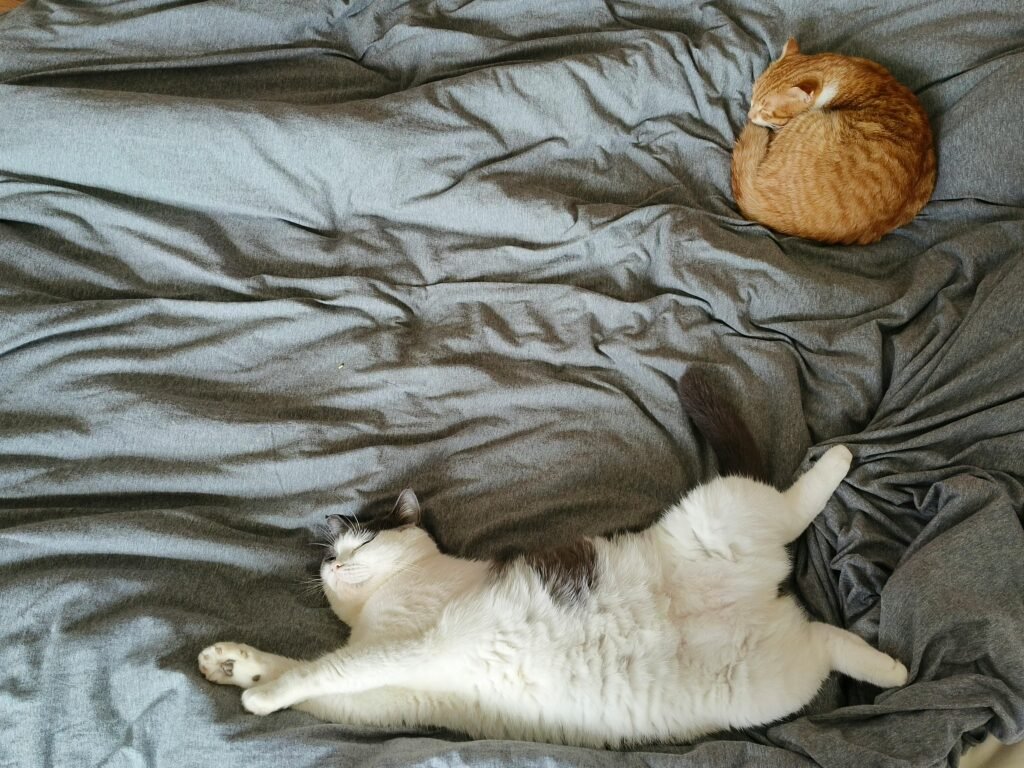
You hear soft snoring sounds coming from your cat’s favorite nap spot. At first, it seems cute, but then you start wondering if something might be wrong. Many cat owners share this concern when they notice their pet making unusual breathing sounds during sleep.
Cat snoring occurs for several reasons, ranging from simple sleep positions to more serious health issues. Some cats naturally snore because of their breed or body structure, while others develop snoring due to weight gain or respiratory issues.
The tricky part is knowing which type of snoring needs a vet visit and which is just your cat being, well, a cat.
Ignoring persistent or loud snoring can lead to undiagnosed health conditions like respiratory infections or airway blockages.
According to VCA Animal Hospitals, abnormal breathing sounds in cats can indicate upper airway obstructions that require medical attention. Catching these signs early helps prevent complications and keeps your cat breathing comfortably.
This guide breaks down everything about cat snoring. You’ll learn what causes it, when it’s harmless, and when you should schedule a vet appointment.
We’ll also share practical tips to help reduce your cat’s snoring and improve their sleep quality.
Understanding Cat Snoring: What’s Normal and What’s Not
Cat snoring sounds different from one pet to another. Some cats make gentle purring sounds while sleeping, while others produce loud vibrations that wake up the whole household. The key is understanding your specific cat’s normal breathing pattern.
Normal snoring usually happens occasionally and sounds soft. Your cat breathes most of the time quietly, with only brief episodes of snoring during deep sleep. This type of snoring doesn’t disturb their rest or cause them to wake up gasping for air.
Abnormal snoring shows different signs. It happens frequently, sounds harsh or raspy, and may occur even when your cat is awake. You might notice your cat struggling to breathe or changing positions constantly to find relief.
The difference matters because occasional soft snoring rarely indicates problems. However, persistent loud snoring, especially with other symptoms like coughing or difficulty breathing, needs veterinary evaluation. Trust your instincts; if the snoring seems unusual or worries you, it’s worth checking with your vet.
Why Do Cats Snore?
Anatomy and Breathing Patterns
Cats have narrow nasal passages compared to many other animals. This natural design makes them more prone to breathing sounds, especially when air moves quickly through tight spaces during sleep. Their soft palate and throat tissues can vibrate as air passes through, creating the familiar snoring sound.
During deep sleep, cats’ muscles relax completely, including those in their throat. This relaxation causes the airway to narrow slightly, which increases the chance of snoring. The position of their head and neck also affects how air flows, making some sleeping poses more likely to trigger snoring than others.
Common Causes of Cat Snoring
Mucus buildup ranks as one of the most frequent snoring triggers. When cats catch colds or develop allergies, their nasal passages fill with mucus that blocks smooth airflow. This forces them to breathe through partially clogged airways, which creates snoring sounds.
Weight affects breathing more than most people realize. Overweight cats carry extra tissue around their neck and throat, which puts pressure on their airways. This excess tissue narrows the breathing passage and makes snoring almost guaranteed, especially when lying down.
Breed-Specific Factors
Persian cats and other flat-faced breeds snore more than average cats. Their shortened skulls compress the nasal passages and soft palate into a smaller space. This built-in anatomical difference means snoring is normal for these breeds, though it still needs monitoring for severity.
Himalayans, Exotic Shorthairs, and Scottish Folds share similar facial structures. These breeds often snore from birth due to their genetics, not because of any health problem. However, even in these cases, sudden increases in snoring volume or frequency deserve attention.
Is It Normal for Cats to Snore While Sleeping?
Sleep Positions That Cause Snoring
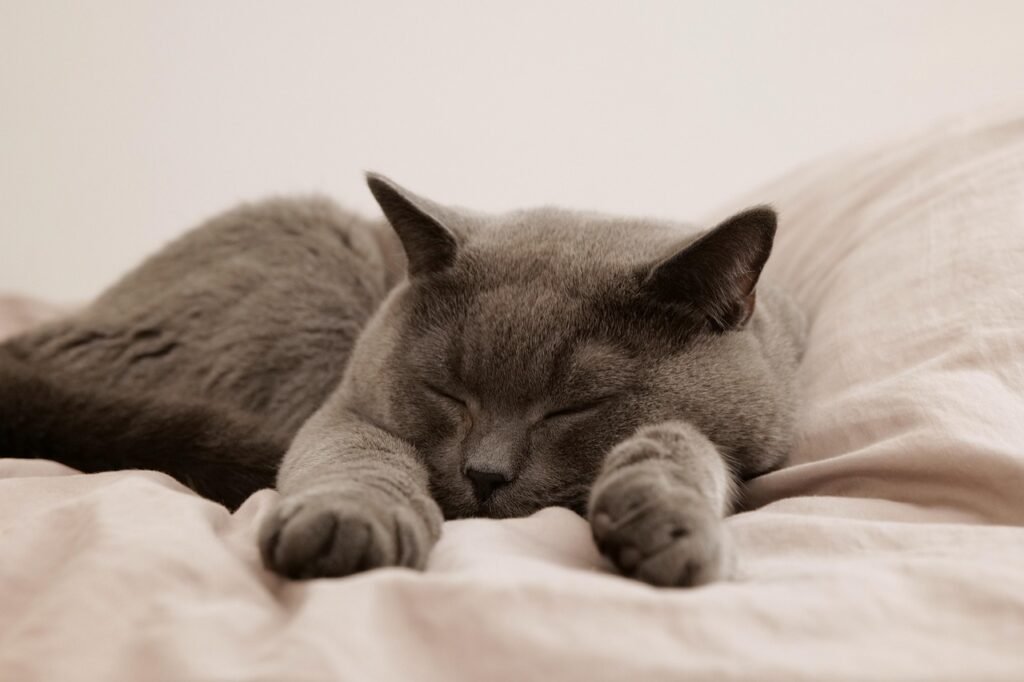
Cats sleeping on their backs snore more than those curled in balls. When a cat lies flat on its back with its head tilted, gravity pulls the soft tissues of the throat downward. This creates a partial obstruction that leads to snoring, even in perfectly healthy cats.
Curled positions usually keep the airways more open. Cats instinctively sleep in ways that protect their vital organs and maintain easy breathing. If your cat suddenly starts sleeping in unusual positions and snoring, it might be trying to find a comfortable way to breathe.
Deep Sleep vs. Light Sleep Snoring
Deep sleep triggers more snoring than light sleep stages. During REM sleep, when cats dream, and their bodies fully relax, muscle tone decreases throughout their airways. This natural relaxation makes snoring more likely and louder during these deep sleep phases.
Light sleep rarely produces snoring sounds. Cats maintain more muscle control during lighter sleep stages, which keeps their airways firm and open. If your cat snores during light sleep or while barely dozing, something beyond normal sleep physiology might be causing it.
Frequency: Sometimes vs. Always
Occasional snoring during specific sleep positions is completely normal. Most cats snore at some point, especially after an active play session when they’re sleeping deeply. This happens because they’re more relaxed than usual and breathing more heavily to recover energy.
Constant snoring throughout every sleep cycle signals potential issues. Healthy cats should breathe most of the time quietly, with snoring limited to brief periods. When snoring becomes the default instead of the exception, it’s time to investigate possible underlying causes.
When Cat Snoring Is Normal
Occasional Snoring
Light snoring once or twice a week doesn’t raise concerns. Cats, like humans, sometimes sleep in positions that temporarily restrict airflow. As long as the snoring stops when they shift positions and doesn’t happen daily, it’s usually harmless.
Context matters when evaluating occasional snoring. If your cat snores only after intense play, during very deep sleep, or when sleeping in odd positions, this fits normal behavior patterns. The snoring should never disturb their sleep or cause them to wake up abruptly.
Positional Snoring
Some sleeping positions naturally cause snoring in any cat. When your cat’s neck bends at sharp angles or their chin presses against their chest, airflow becomes restricted. You’ll notice the snoring starts immediately in certain positions and stops when they move.
Testing this is simple: gently adjust your cat’s head position while they’re sleeping. If the snoring stops when you straighten their neck or move their head slightly, the position was the cause. This type of snoring needs no treatment, though providing better sleeping support might help.
Age-Related Snoring in Older Cats
Senior cats develop snoring more frequently than younger ones. As cats age, their throat muscles lose some elasticity and tone. This natural aging process makes tissues more prone to vibration during breathing, which creates snoring sounds that weren’t present in their younger years.
Weight gain also becomes more common with age. Older cats exercise less and may develop metabolic changes that lead to extra pounds. This combination of muscle weakness and weight increase makes snoring a frequent companion of aging, though monitoring for sudden changes remains important.
When to Worry About Cat Snoring
Is It Normal for Cats to Snore Loudly?
Loud snoring that sounds harsh or strained needs evaluation. While some snoring is acceptable, sounds that seem like struggling or gasping indicate restricted airways. The volume itself matters less than the quality; rough, labored snoring suggests breathing difficulty.
Comparing your cat’s snoring to their normal breathing helps. If the snoring is significantly louder than their usual purring or breathing sounds, or if you can hear it from another room, it’s worth investigating. Healthy snoring should be relatively quiet and not disruptive.
Snoring While Awake: A Red Flag
Cats should never snore while awake and alert. Snoring happens because of relaxed muscles during sleep, so hearing these sounds when your cat is conscious points to serious airway obstruction. This could indicate polyps, tumors, foreign objects, or severe swelling in the nasal passages.
Immediate veterinary attention becomes necessary for awake snoring. This symptom often appears alongside other warning signs like difficulty breathing while resting, open-mouth breathing, or reduced activity levels. Don’t wait to see if it improves; awake snoring always needs professional evaluation.
Sudden Changes in Snoring Patterns
A cat that never snored before suddenly starting needs investigation. Sudden onset of snoring in adult cats often indicates new problems like infections, allergies, or growths. Even if the snoring seems mild, the change itself signals something has shifted in their respiratory system.
Worsening existing snoring also warrants concern. If your cat has always snored lightly but the volume or frequency increases noticeably, underlying issues may be progressing. Track when the change started and whether other symptoms appeared around the same time.
Breed Considerations: Persian Cats and Flat-Faced Breeds
Why Persian Cats Snore More Often
Persian cats’ facial structure makes snoring almost inevitable. Their extremely shortened noses compress all the breathing structures into a much smaller space than normal cats have. This compression means air has to work harder to flow through, creating vibrations and sounds during breathing.
The degree of snoring varies even within the breed. Persians with extremely flat faces snore more than those with slightly longer noses. If you own a Persian or similar breed, familiarize yourself with what’s normal for them specifically, not for cats in general.
Brachycephalic Airway Syndrome
Flat-faced breeds can develop brachycephalic airway syndrome. This condition includes several problems like narrowed nostrils, elongated soft palate, and collapsed airways. According to Cornell University College of Veterinary Medicine, these anatomical abnormalities cause chronic breathing difficulties in affected cats.
Severe cases require surgical correction. Vets can widen nostrils, trim excessive soft palate tissue, or remove obstructing tissues to improve airflow.
Even if your flat-faced cat has always snored, worsening symptoms or breathing difficulties mean their condition might be progressing beyond normal for their breed.
Health Conditions That Cause Cat Snoring
Upper Respiratory Infections
Respiratory infections cause inflammation and mucus production. When bacteria or viruses infect your cat’s nasal passages or throat, the resulting swelling narrows airways.
The excess mucus creates blockages that force air through restricted spaces, producing snoring sounds.
Additional symptoms usually accompany infection-related snoring. Watch for sneezing, eye discharge, reduced appetite, or fever.
These infections often resolve with antibiotics or supportive care, and snoring typically stops once the infection clears.
Allergies and Nasal Congestion
Environmental allergies affect cats just like humans. Pollen, dust, mold, or household chemicals can trigger allergic reactions that inflame nasal tissues. This inflammation reduces airway space and increases mucus production, both of which contribute to snoring.
Seasonal patterns often reveal allergies as the cause. If snoring appears during specific times of year or after exposure to certain environments, allergies might be responsible. Your vet can recommend antihistamines or environmental changes to reduce allergic responses.
Obesity and Weight-Related Issues
Extra weight compresses airways from the outside. Fat deposits around the neck and chest physically press against breathing passages, making them narrower. This external pressure combines with internal tissue changes to create significant breathing resistance.
Weight management resolves obesity-related snoring effectively. Gradually reducing your cat’s weight through proper feeding and increased activity opens their airways naturally. Most overweight cats stop snoring or snore much less once they reach a healthy weight.
Polyps and Tumors
Growths inside the nasal passages or throat create physical blockages. Polyps are benign growths that develop in some cats, while tumors can be benign or cancerous. Both types obstruct airflow and cause persistent snoring that progressively worsens.
These conditions require surgical removal in most cases. Your vet will perform imaging tests to locate and identify any growths. Early detection improves outcomes significantly, especially for cancerous tumors, making investigation of persistent snoring important.
When to See a Veterinarian
Warning Signs to Watch For
Multiple symptoms appearing together demand immediate attention. If snoring occurs alongside difficulty breathing, blue-tinged gums, loss of appetite, or lethargy, emergency care becomes necessary. These combinations suggest serious respiratory compromise.
Persistent snoring lasting more than a few weeks needs evaluation. Even without other symptoms, chronic snoring that doesn’t improve might indicate slow-developing problems. Early veterinary consultation prevents minor issues from becoming major health crises.
Diagnostic Tests Your Vet May Perform
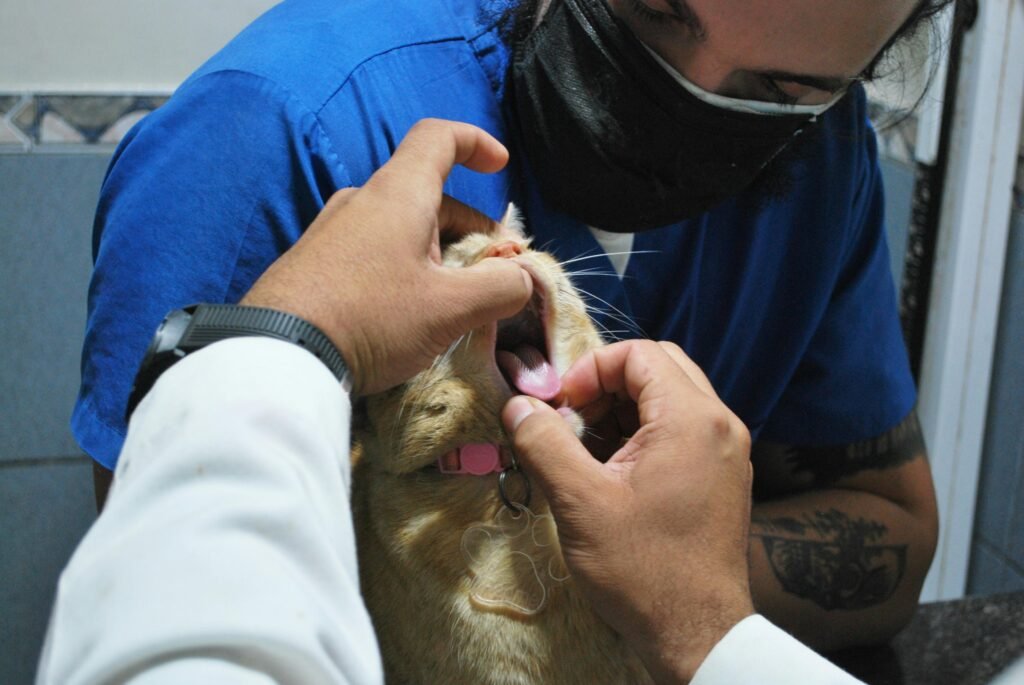
Physical examination reveals many snoring causes immediately. Your vet will check your cat’s mouth, throat, and nasal passages for obvious obstructions, inflammation, or abnormalities. They’ll also listen to breathing sounds with a stethoscope to identify where restrictions occur.
Advanced testing may include X-rays or CT scans. These imaging techniques show structures inside the nasal passages and throat that aren’t visible during physical exams. Blood tests might check for infections or inflammatory conditions affecting the respiratory system.
How to Help a Snoring Cat
Weight Management
Reducing excess weight helps most overweight snoring cats. Work with your vet to create a safe weight loss plan that includes appropriate food portions and gradual calorie reduction. Never drastically cut food, as this can cause serious health problems in cats.
Increased activity supports healthy weight loss. Encourage play sessions using interactive toys that get your cat moving. Even 10-15 minutes of active play twice daily makes a difference in burning calories and building muscle tone.
Environmental Adjustments
Reducing allergens in your home decreases inflammation-related snoring. Regular vacuuming, air purifiers, and avoiding strong chemical cleaners help minimize respiratory irritants. Keeping your cat’s sleeping area dust-free and well-ventilated also improves breathing.
Humidity levels affect nasal passage health significantly. Dry air irritates airways and thickens mucus, while moderate humidity keeps tissues moist and mucus flowing. Using a humidifier in rooms where your cat sleeps can reduce snoring caused by dry conditions.
Medical Treatments
Antibiotics clear bacterial infections, causing temporary snoring. If your vet diagnoses an infection, complete the full antibiotic course even if symptoms improve quickly. Stopping treatment early allows infections to return, often stronger than before.
Surgery becomes necessary for structural problems or growths. Procedures might include removing polyps, correcting elongated soft palates, or widening stenotic nostrils. While surgery sounds serious, many cats experience dramatic improvement in breathing and quality of life afterward.
FAQ,s
Is it normal for cats to snore every night?
No, daily snoring isn’t normal for most cats. Occasional snoring happens, but nightly snoring suggests an underlying issue like obesity, allergies, or airway obstruction that needs veterinary evaluation.
Can allergies cause my cat to snore?
Yes, allergies inflame the nasal passages and create mucus that blocks airways. This causes snoring similar to when humans have allergies, and it typically worsens during specific seasons or after allergen exposure.
Do all Persian cats snore?
Most Persian cats snore due to their flat facial structure, but the severity varies. Light snoring is expected in this breed, though loud or labored breathing still requires veterinary assessment.
Should I wake my cat if it’s snoring loudly?
Gently repositioning them is better than waking them. If snoring stops with position changes, it’s likely harmless, but if it continues regardless of position, schedule a vet visit.
When is cat snoring an emergency?
Seek immediate help if snoring comes with blue gums, gasping, open-mouth breathing, or extreme distress. These signs indicate severe oxygen deprivation requiring emergency treatment.
Pingback: Why Is My Cat Breathing Heavily While Resting? - Eachpetscare